Polish Ceramic Tile Producers Warn of Crisis, Appeal to Warsaw and EU Institutions
The Polish Ceramic Union has appealed to national authorities and European Union institutions for urgent measures to improve conditions in the ceramic sector, strefabiznesu.pl reported. The association says tile manufacturers are facing pressures it describes as a crisis for Polish factories. The appeal is addressed to both government levels at once.
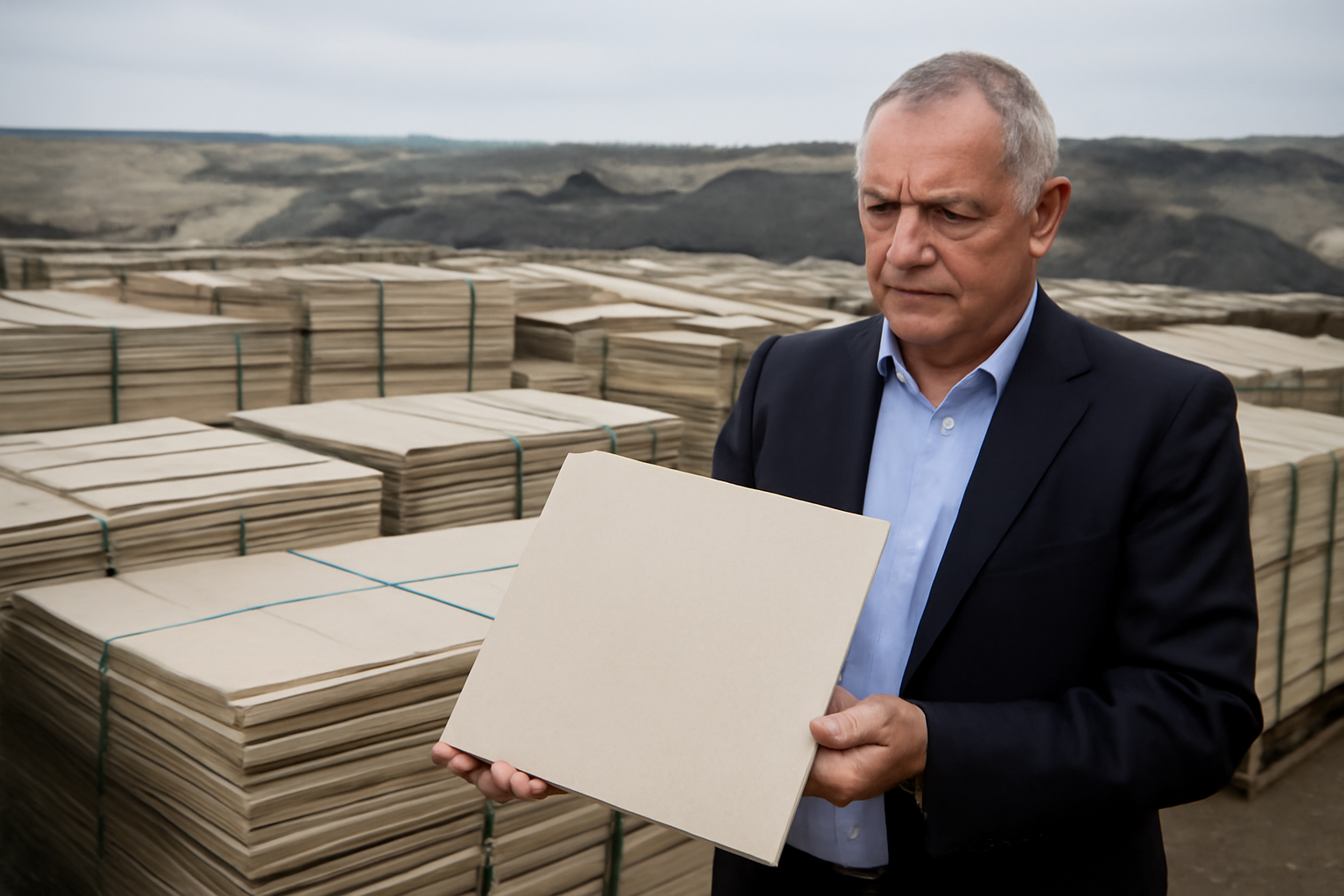
Sector association calls for urgent action
The Polish Ceramic Union (Polska Unia Ceramiczna) has appealed to national authorities and to European Union institutions for urgent measures to improve the situation of the ceramic sector, strefabiznesu.pl reported. The association states that ceramic tile producers are struggling with conditions it characterises as a crisis affecting Polish tile factories.
The appeal is addressed simultaneously to two levels of decision-making. That choice is itself informative for the sector: it signals that the association does not regard the pressure on tile plants as something Warsaw can resolve alone, and that it expects part of any remedy to come from decisions taken at EU level. strefabiznesu.pl presents the move as an alarm raised by companies rather than a routine industry position paper.
What sits with Warsaw, what sits with Brussels
The division of competences shapes what each addressee can actually deliver. National governments control tax treatment, compensation schemes for energy-intensive users, grid charge structures and public support programmes, all subject to EU state aid rules. EU institutions set the emissions trading framework, the carbon border adjustment mechanism, product and environmental standards, and trade defence instruments such as anti-dumping duties.
An industry seeking relief on both energy costs and import competition therefore has to knock on both doors. A single-address appeal would have pointed to a narrower diagnosis; the dual address suggests the association sees cost pressure and competitive pressure as parts of the same problem.
What the report specifies, and what it does not
The account published by strefabiznesu.pl records the fact of the appeal and the association's assessment of the sector's condition. It does not set out a detailed list of the instruments requested, nor does it quantify any deterioration in output, capacity utilisation or employment at Polish plants. Companies, investors and buyers tracking the file should treat the appeal itself, and its dual addressing, as the confirmed elements at this stage.
Why tile plants are exposed
Ceramic tile manufacturing is among the more energy-intensive branches of building materials. Raw slip is spray-dried and the pressed bodies are then fired in long roller kilns at high temperature, and lines are designed to run continuously; stopping and restarting a kiln carries both cost and technical risk. Fuel and power therefore sit in the cost base alongside clays, feldspar, glazes and packaging, and they are harder to hedge away than most other inputs.
Demand adds a second variable. Tile consumption follows construction and renovation cycles, which are sensitive to interest rates and to public building programmes. Tiles are also heavy and low in value relative to weight, so freight costs determine how far they can travel and which markets are genuinely contestable by distant producers.
What to watch next
For producers, distributors and traders following the Polish market, the near-term signals are procedural rather than commercial:
- whether the Polish government responds formally to the union's appeal, and through which ministry;
- whether the case is taken up at EU level, and in which forum — energy policy, state aid or trade;
- whether individual manufacturers follow the association with company-level announcements on kiln lines, shift patterns or investment plans.
Until then, the confirmed development is the appeal itself: a national industry association telling both its own government and the European Union, in public, that its member factories need intervention.