Polish beet growers reject KGS’s €26-per-tonne offer for 2027
Polish sugar beet growers have rejected KGS’s proposed contract price of €26 per tonne for the 2027/2028 marketing year. The company also plans to reduce contracted area by as much as 10%, but growers warn that unattractive terms could cause a substantially larger decline.
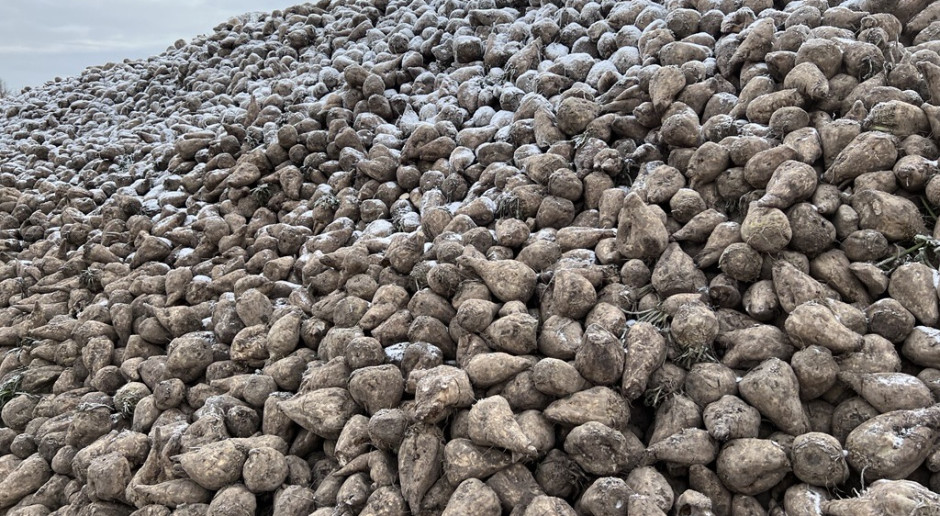
KGS opens negotiations with a €26 offer
Polish sugar beet growers have rejected the first contracting proposal presented by Krajowa Grupa Spożywcza S.A. (KGS) for the 2027 campaign. According to farmer.pl, the company’s management submitted its proposed terms for the 2027/2028 marketing year to the Council of Sugar Beet Growers’ Associations on 24 August 2026 in Toruń.
KGS offered €26 per tonne for contracted sugar beet and 40 zł per tonne for surplus beet. The company also proposed reducing the base used to calculate bonuses for early and late deliveries to €26. At the same time, the comprehensive service charge would rise to 8 zł per tonne of beet.
The growers’ council refused to accept the package. Its members argued that the proposed price did not reflect rising sugar beet production costs and was less attractive than terms available from competing processors in Poland. No agreement was reached at the first meeting, making another round of negotiations necessary.
Growers prepare a cost analysis
Józef Pawela, chairman of the KGS-affiliated growers’ council and head of the regional beet growers’ association in Bydgoszcz, said the offer was far below growers’ expectations and below competing proposals. He said the council would prepare a detailed analysis of production costs for the next meeting and seek revised terms from KGS. Pawela also warned that the company could face serious difficulties securing its required beet volume if it implemented the proposal without an agreement with growers.
The dispute concerns more than the headline contract price. Lowering the bonus calculation base would affect returns for farmers delivering at the beginning or end of the campaign, while the higher service charge would add another cost per tonne. Taken together, the provisions determine the effective value of a contract and therefore the relative appeal of beet compared with alternative crops.
Planned acreage reduction could widen
KGS also informed growers that it planned a significant reduction in contracted sugar beet area for the 2027 campaign. The company linked the measure to overproduction and a collapse in the sugar market. According to the information presented at the meeting, the reduction could reach 10% compared with contracting in the current year.
The growers’ council believes the actual decline in beet cultivation could be substantially greater than KGS intends if the proposed commercial terms remain unchanged. That would raise the risk of insufficient beet supply for the group’s factories, particularly if farmers can obtain better contracts elsewhere or switch land to other crops.
Growers said German-owned sugar groups operating in Poland were offering better conditions. According to the council, those companies were not planning further reductions in contracting, and one had reportedly decided to restore its contracted volume to the level recorded in previous years. This competitive gap could influence where Polish farmers place their beet acreage and which processors secure raw material for the 2027 campaign. Further talks between KGS and the growers will therefore have to address both farm economics and the company’s planned supply requirements.