Poland Weighs Longer Operation of Selected Coal Mines and Power Plants
Poland is reassessing the pace of its coal exit, with officials considering longer operation for selected mines and generating units. Output could rise by 1.2 million tonnes this year even as 7,200 people leave mining, while capacity-market support may keep chosen coal plants available into the 2030s.
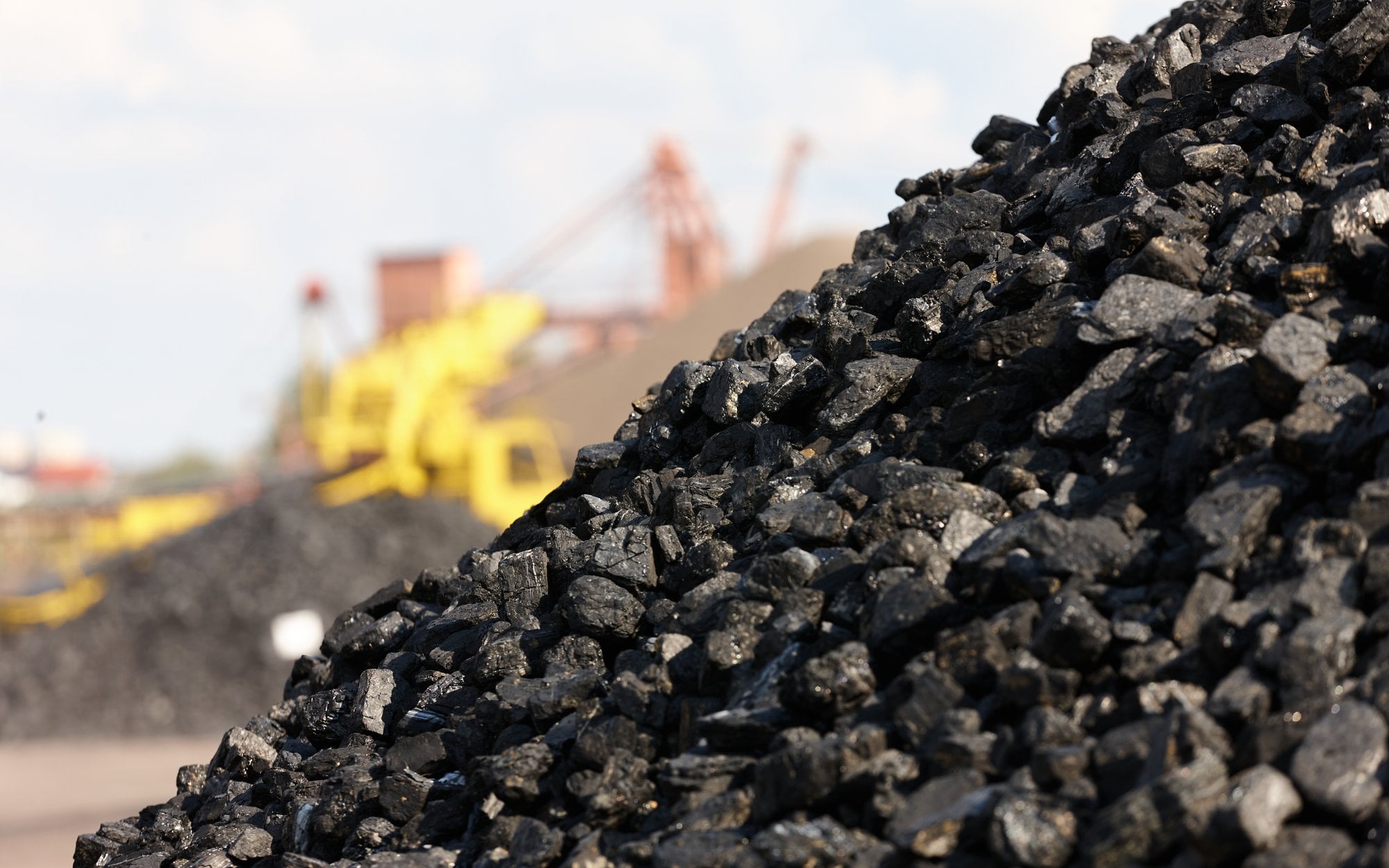
Government reassesses near-term coal policy
Poland is considering extending the operation of selected hard-coal mines and power plants as the government places greater emphasis on energy security and the adequacy of electricity supply. Deputy State Assets Minister Grzegorz Wrona said the country should reassess coal’s short-term role by using existing resources and infrastructure, without building new mines, according to energia.rp.pl.
Wrona said Polish mines contain resources that could be extracted effectively and at an optimal cost for another 10-15 years. The government expects 7,200 people to leave the mining sector this year, while production is projected to increase by 1.2 million tonnes. Coal still accounts for about 62% of Poland’s electricity generation, making the timing of mine and plant closures consequential for domestic fuel demand and power-system reliability.
Selected assets could remain in service
The emerging policy does not amount to a broad revival of coal. Officials plan to identify a limited group of mines that can operate economically and remain aligned with the needs of electricity producers. Wrona cited Bogdanka and some mines in Silesia, as well as deposits in the Zagłębie region and northern mines owned by Jastrzębska Spółka Węglowa. Any investment would depend on profitability, while deeper extraction below 1,000 metres increases both costs and operational risks.
PSE President Grzegorz Onichimowski offered a similarly selective approach to coal-fired generation. He said most existing units are too degraded to justify further investment, but several or perhaps a dozen plants could be retained based on PSE’s resource-adequacy analysis. Capacity-market support could give this group a longer operating horizon, followed by targeted investment to make the plants reserve assets and, to some extent, operational capacity until 2035. By then, newer coal units are expected to move into reserve as nuclear generation enters the system.
Capacity rules and mine aid are central
Onichimowski called for a new capacity-market law to be adopted by the end of this year, allowing an auction for 2031 to be held in March 2027. The measure, together with a proposed coal reserve, could extend the use of selected power plants after 2030. European Commission approval is required, and Poland’s Energy Ministry has been working for several months to secure informal consent.
The ministry has also prepared amendments governing financial assistance for mining companies that reduce production capacity. The rules would initially apply to Polska Grupa Górnicza and Południowy Koncern Węglowy, with the possibility of including other hard-coal producers later. They clarify eligible costs, reference-price calculations and verification procedures.
Crucially, the proposed definition of a declining trend would allow temporary deviations in production, employment and subsidies when geological events, energy-security threats or adverse geopolitical conditions occur. That would permit continued aid even if output rises this year. Energia.rp.pl reported that Silesian hard-coal mines require several billion złoty in government support annually. For miners and generators, the first decisions will determine which assets retain a market and which continue toward closure; for coal buyers, they will shape domestic supply availability during the next phase of Poland’s power transition.