Poland weighs 0.25% levy on annual alcohol and tobacco sales
Poland is considering a 0.25% charge on the annual sales value of alcohol and tobacco products to finance a new Public Health Fund. Based on combined sales of about PLN 90 billion, the levy could raise PLN 225 million a year, but officials and industry experts warn about additional compliance costs and expanding illicit trade.
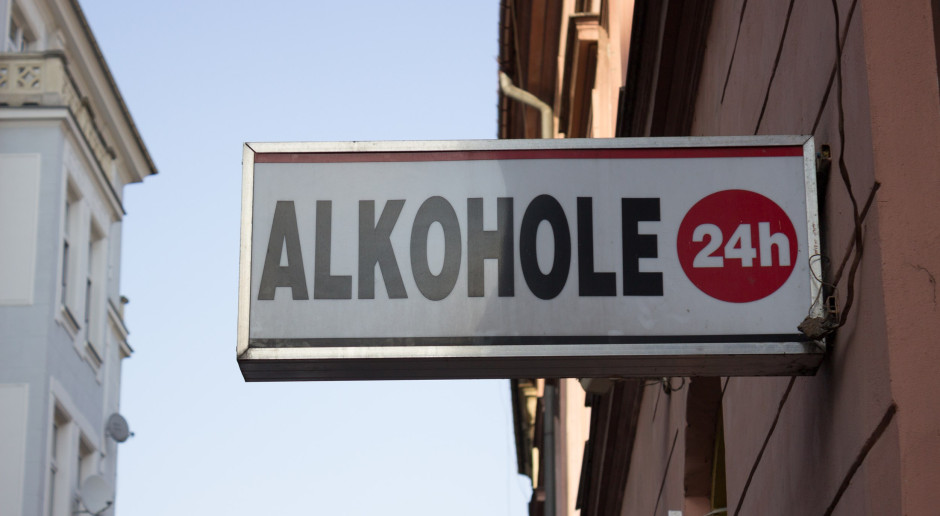
Sales-based charge would finance public health
Poland's government is working on a possible 0.25% charge on the annual sales value of alcohol and tobacco products, according to information reported by Rzeczpospolita and summarized by dlahandlu.pl. Businesses operating in the two sectors would also have to submit annual reports documenting their sales.
The proceeds would finance a proposed Public Health Fund operating separately from both the state budget and the National Health Fund. The money would be allocated to measures related to citizens' health. The Health Ministry confirmed that work was under way on new ways of financing public-health activities, Rzeczpospolita reported. The ministry's position is that more of the healthcare costs currently borne by the system should be linked to companies earning revenue from alcohol and tobacco sales.
The proposal remains under consideration rather than constituting an enacted charge. The available reporting does not specify its introduction date, the exact products or businesses covered, collection rules, exemptions, or whether the sales base would include excise tax and value-added tax. Those details will determine how the burden is distributed among producers, importers, wholesalers and retailers.
Potential revenue estimated at PLN 225 million
NielsenIQ estimates cited by Rzeczpospolita put the value of alcohol product sales in Poland at PLN 51.5 billion. Annual tobacco market sales were estimated at PLN 30 billion to PLN 40 billion. With combined sales of approximately PLN 90 billion, a 0.25% charge could provide the new fund with PLN 225 million per year.
Because the proposed levy would be calculated from sales rather than profit, it would apply regardless of a supplier's margin. The direct cost would equal PLN 2.5 million for every PLN 1 billion in taxable annual sales. The eventual commercial effect would depend on whether companies absorb the charge, pass it through in wholesale or retail prices, or seek savings elsewhere in their operations.
The annual reporting requirement would create a separate administrative obligation alongside the payment itself. Businesses would need to identify qualifying sales and document their value under rules that have yet to be disclosed. For companies handling both covered and non-covered products, the definitions used in the final proposal could materially affect compliance costs.
Existing excise duties and illicit trade raise concerns
Poland's Ministry of Development and Technology has expressed reservations. In a letter to the Prime Minister's Office, Deputy Minister Michał Baranowski noted that alcohol and tobacco products are already subject to excise duty and argued that another charge could amount to excessive interference in business activity. According to Rp.pl, he also pointed to the additional documentation requirement as well as the new fiscal burden.
The debate comes as indicators of illicit tobacco sales have worsened. The tobacco grey market reached 9.7% in the first quarter of 2026, compared with 6.7% at the end of 2024 and 7.5% one year later, according to figures presented by dlahandlu.pl. Legal cigarette sales fell by 13% in 2025 and by a further 10% during the first seven months of 2026.
Alcohol faces a similar enforcement issue. Illegal sales in 2025 may have reached 23 million litres of pure ethyl alcohol, with hypothetical budget losses estimated at PLN 1.8 billion. These figures underpin concerns that an additional cost on legal sales could widen the price gap with unregulated products. For producers, distributors and retailers, the proposal therefore combines a relatively small percentage charge with broader questions about excise policy, enforcement and the competitiveness of the legal market.