Polish sugar prices rise, but beet growers say the rates still do not cover production costs
Sugar is getting more expensive in Poland, yet sugar beet growers say the rates they are paid still fail to cover production costs, the regional daily pomorska.pl reported. A grower in Wylatowo said on 7 September that beet plantations were in good condition despite a season that ran from drought to heavy rain. The report does not disclose contract rates or cost figures, leaving the size of the squeeze unquantified.
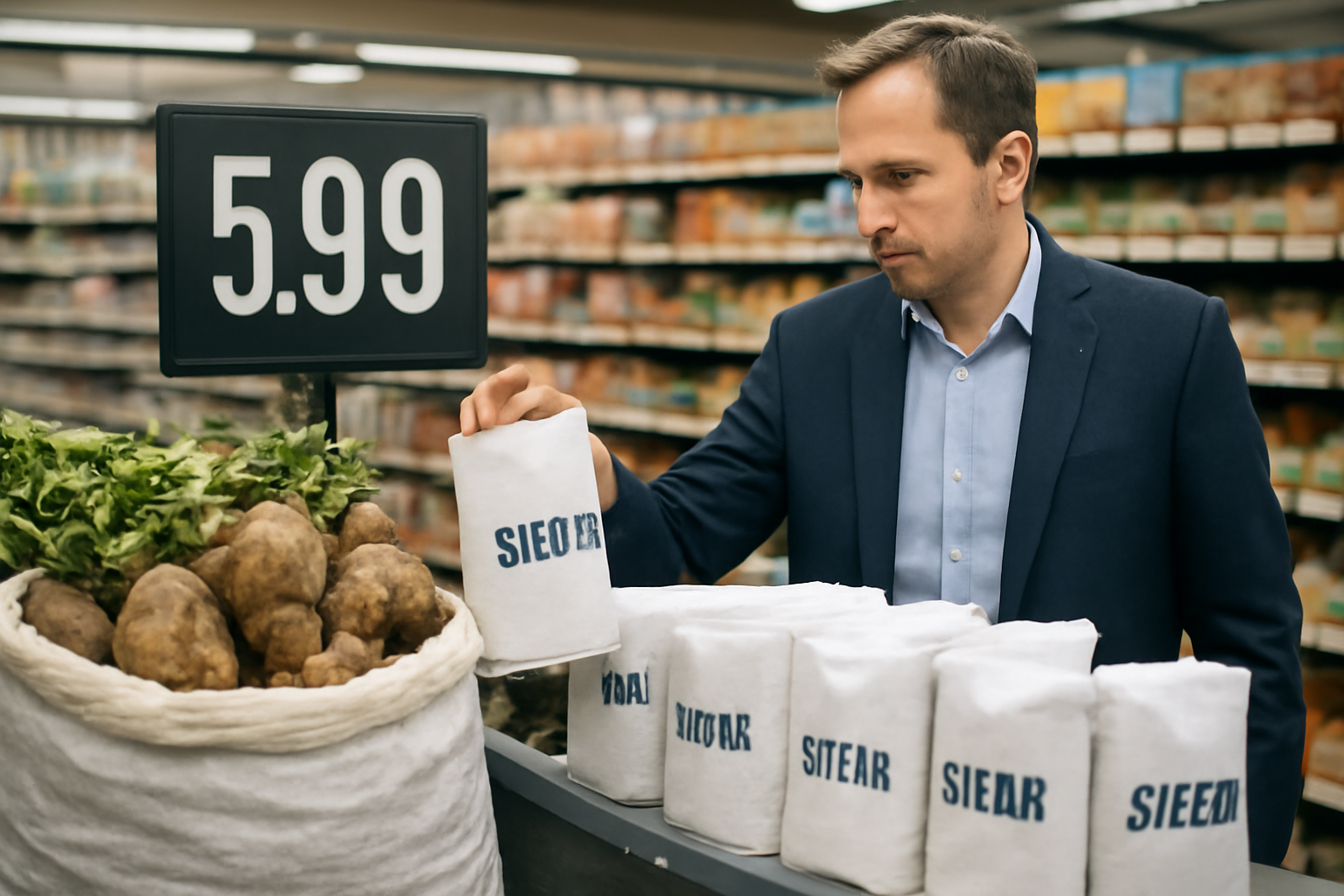
Growers say higher sugar prices are not reaching the field
Sugar is getting more expensive in Poland, but sugar beet growers say the rates they receive still do not cover their production costs. The Polish regional daily pomorska.pl put the question directly in its headline — whether rising sugar prices give planters a reason to be pleased — and reported a grower's answer: "These rates do not cover costs."
The comment came from a beet grower in Wylatowo, speaking on 7 September. At that point in the season the crop is still in the ground and root development can be judged, but the campaign — the harvest and processing run that determines final volumes and settlements — was still ahead. The grower's assessment of the crop itself was positive: the condition of the beet plantations is good.
A season that arrived in stages
The same grower described a growing season that did not follow a single pattern. Drought came first. A shortfall of rainfall followed. Most recently, according to pomorska.pl, a large volume of rain fell. The sequence was uneven, yet the plantations were still described as being in good shape — a reminder that beet, a deep-rooted crop harvested late, can absorb a dry spell that would already have cost a cereal crop its yield.
Good field condition is what makes the growers' complaint pointed rather than routine. A weak crop paired with weak returns would be a familiar combination. A crop in good shape, delivered into a market where sugar prices are rising, and still producing rates that growers describe as below cost, points at the contract terms rather than at the weather.
Where the disconnect sits
Beet is a contracted crop. Growers commit area to a processor before planting and are paid according to the terms of that contract, with quality and sugar-content adjustments applied on delivery. A move in the price of white sugar during or after the campaign therefore does not pass automatically back to the field. That timing gap is the mechanical explanation for how both statements in the pomorska.pl report can be true at once: sugar is more expensive, and growers say their rates are too low.
The other half of the equation is cost, and it is the half the grower is pointing to. Beet is an input-heavy crop: seed, fertiliser, crop protection, fuel for cultivation and for hauling a bulky root with low value per tonne to the factory, plus the working capital tied up from spring drilling until a payment that arrives only after delivery. When those items move faster than the contract rate, a good yield is not enough to restore the margin.
What the report leaves open
The pomorska.pl account does not disclose a contract rate, a cost-per-hectare figure, a yield estimate or the name of the buying processor, and it does not quantify how far sugar prices have risen. Those gaps matter for anyone trying to size the squeeze: without the rate and the cost side by side, the distance between them remains a claim rather than a measured number.
- The campaign result: final root yields and sugar content, which determine what growers are actually paid per hectare.
- Contract terms for the next season, and whether grower rates are linked to sugar price movements.
- Contracted beet area, the clearest test of whether growers accept the economics on offer.
Contracted area for the coming season is the variable that will show whether the complaint was rhetorical. Growers who cannot cover costs reduce beet area and shift land into crops with lower working-capital demands; processors, in turn, need tonnage within economic haulage distance of the factory to run an efficient campaign. That is the line connecting a grower's remark in Wylatowo on 7 September to Polish sugar output in the season that follows.