Poland presses EU ministers for flexible post-2027 CAP and secure fertilizer supplies
Poland urged EU agriculture ministers to give member states more flexibility under the Common Agricultural Policy after 2027 and expand crisis support for farmers. Warsaw also called for stronger EU fertilizer production, stable raw-material supplies and less dependence on imports from geopolitically risky regions.
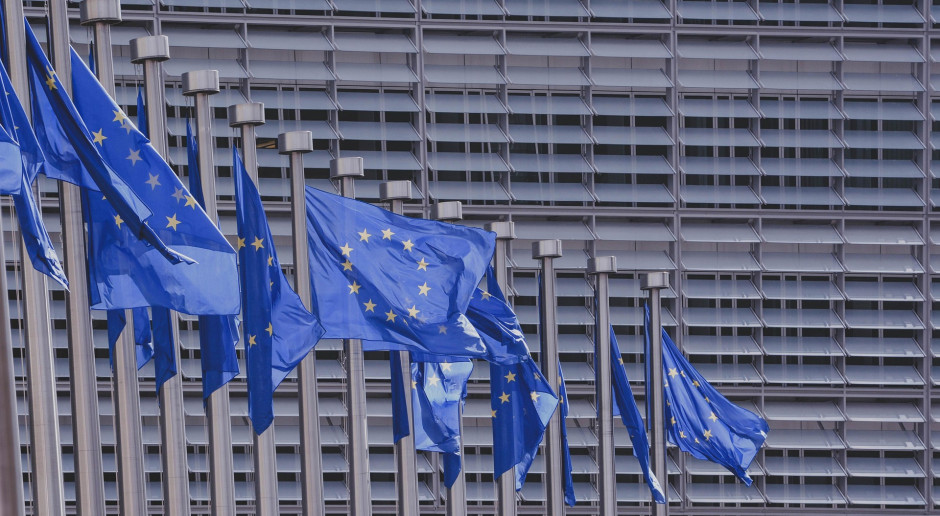
Poland sets out its post-2027 CAP priorities
Poland has called for a more flexible Common Agricultural Policy after 2027, stronger crisis tools and measures to secure long-term fertilizer availability as EU agriculture ministers met at the AGRIFISH Council in Brussels. The first day of discussions covered the future of the CAP, agricultural market conditions and fertilizer supplies, according to Poland’s Ministry of Agriculture and Rural Development, as reported by farmer.pl.
Polish State Secretary Jacek Czerniak said future arrangements should reflect the differences between agricultural sectors across EU member states. Warsaw wants national governments to have more scope to adapt support to their own farming structures and regional priorities.
Poland proposed raising the maximum support available to producer groups and organizations from €100,000 to €300,000. It also backed voluntary use of some policy instruments while retaining the mandatory definition of an active farmer. The government argued that the CAP’s agricultural budget should be protected from being used to finance large-scale processing businesses.
Warsaw additionally requested permission to continue transitional national aid after 2027. This funding would support sectors considered especially vulnerable or economically important to individual regions.
Farm costs rise as producer prices weaken
The policy debate comes as the relationship between Polish production costs and farmgate prices deteriorates. The ministry said prices for agricultural inputs in Poland had risen by an average of more than 1% per month over the previous six months, while purchasing prices for agricultural products had declined.
Officials identified sugar, pork, beef and milk as four markets facing particularly difficult conditions. Cattle purchasing prices were about 16% lower than a year earlier, while the milk purchasing price in July was 23% lower. Drought added further pressure through lower yields of forage crops and reduced grazing opportunities.
Against that background, Poland supported increasing the EU agricultural reserve and giving governments greater flexibility to use CAP instruments and state aid. The request was also linked to what the ministry described as catastrophic drought across many European regions. The proposals would give national authorities more room to respond when production shocks and falling commodity prices coincide with rising input expenses.
Fertilizer treated as a security issue
EU ministers also considered how to maintain fertilizer availability over the longer term. Poland called for policies supporting the development and competitiveness of EU fertilizer producers, together with stable supplies of the raw materials they need. It also advocated reducing reliance on imports from regions exposed to high geopolitical risk.
Czerniak said fertilizer availability should be treated as an element of national security, alongside energy and food. With further fertilizer price increases forecast, Poland requested more funding for farmer support and a longer period during which such assistance could be provided.
The Polish ministry also supported wider use of processed organic fertilizers, including RENURE products made from processed manure and slurry. These materials can replace part of the mineral fertilizer used by farms, potentially limiting exposure to conventional fertilizer costs and imported inputs.
Precision farming enters the policy discussion
Poland coupled its fertilizer proposals with a call for investment in precision agriculture and farm digitalization. The ministry highlighted drones and satellite data as tools that can help farmers apply fertilizer more efficiently.
The AGRIFISH debate links immediate pressure on farm margins with decisions that will shape EU agricultural support after 2027. For producers and their organizations, the Polish plan would increase the potential scale of collective support and preserve national assistance for sensitive sectors. For fertilizer manufacturers and raw-material suppliers, it signals political support for additional EU capacity and more resilient sourcing. The outcome will depend on whether other member states support greater national discretion while maintaining common rules and funding across the bloc.