Poland's next electricity tariffs hinge on domestic coal price talks
Poland's Ministry of State Assets is trying to reconcile the interests of coal producers with those of PGE, Tauron, Enea and Energa, according to strefabiznesu.pl. The four utilities are the main buyer of domestically mined coal, and the price they agree will shape the next round of regulated electricity tariffs.
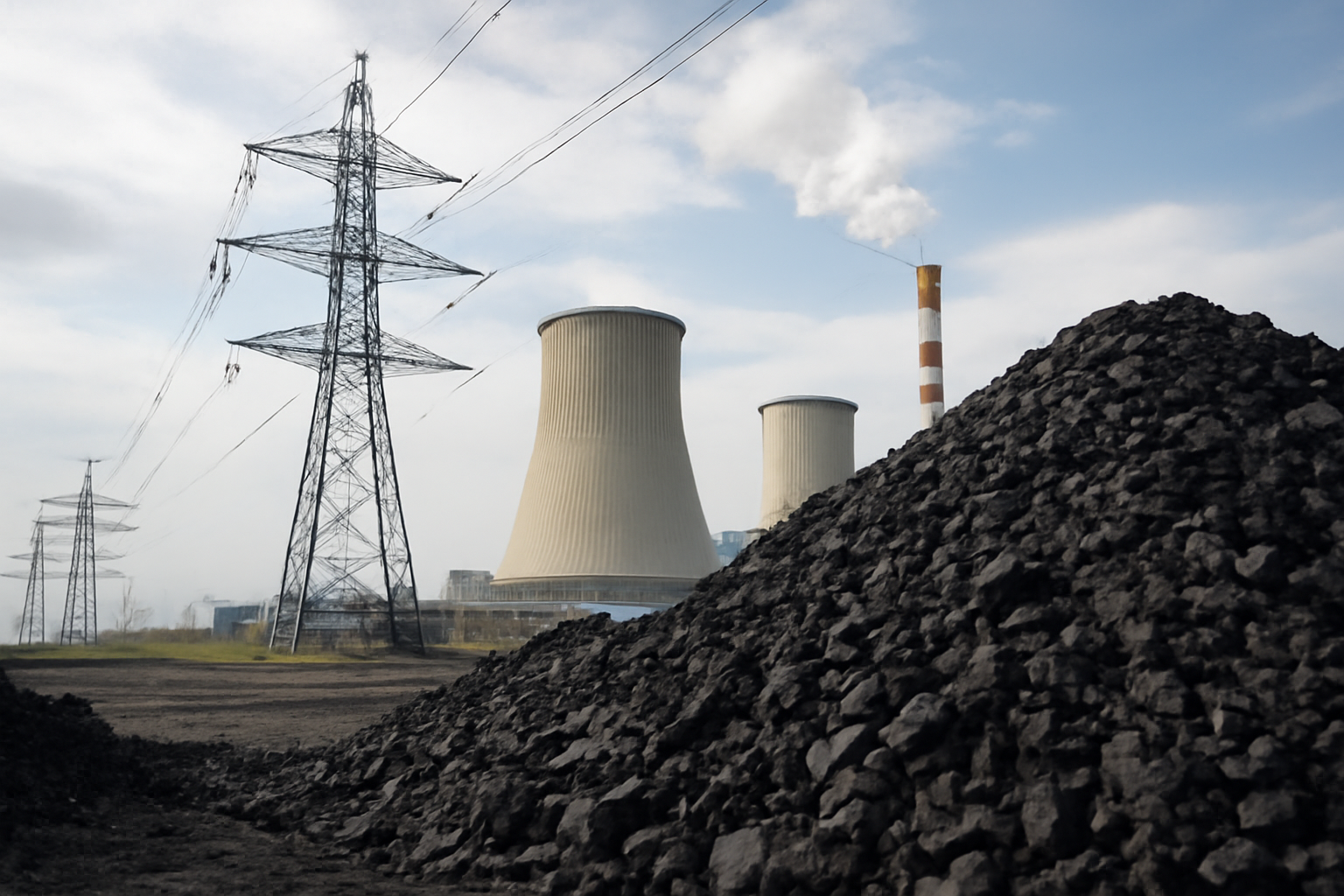
Poland's next round of regulated electricity tariffs will be decided above all by the price of domestic coal, according to the business portal strefabiznesu.pl. The Ministry of State Assets is trying to reconcile the interests of coal producers with those of the largest power utilities - PGE, Tauron, Enea and Energa from the Orlen Group - which together are the main buyer of domestically mined coal.
A ministry on both sides of the table
The Ministry of State Assets exercises the state's ownership rights across much of the Polish energy sector, which leaves it negotiating with itself. Mining companies need a selling price that covers their production costs. Generators need a purchase price low enough to keep their tariff applications defensible. The two requirements move in opposite directions, and strefabiznesu.pl presents the tariff outcome as dependent on how that conflict is settled.
The portal names PGE, Tauron, Enea and Energa as the core of domestic coal offtake. Energa sits inside the Orlen Group, while the other three remain under direct state ownership supervision. Because these companies absorb the bulk of the coal produced in Poland, the terms they agree effectively set the revenue base for the mining sector. For the utilities, the same purchase is the largest single input cost in their thermal fleet, which is why the negotiation is being run at ministerial level rather than left to bilateral commercial contracts.
Why the coal price sets the tariff
The mechanism is direct. Fuel is the dominant variable cost in coal-fired generation, so the delivered price of coal feeds straight into the cost calculations that utilities put forward when tariffs are set. A higher contracted coal price raises generation costs and pushes proposed tariffs up. A lower one compresses mining revenues and moves the pressure onto the producers and their workforce.
That is the trade-off the ministry is managing. Support for the mining sector delivered through the coal price is ultimately paid for downstream, in generation costs and then in end-user bills. Support delivered through other channels keeps tariffs lower but has to be financed elsewhere. strefabiznesu.pl does not report which option the ministry favours, nor the price levels under discussion.
What the market is watching
For producers, traders and industrial buyers, the contracted coal price is a more informative figure than the tariff headline that follows it. The points that matter in the current talks:
- the price at which PGE, Tauron, Enea and Energa agree to buy domestic coal for the coming tariff period;
- whether the mining sector is supported through the coal price or through separate instruments;
- how much of any cost increase is absorbed by the utilities rather than passed into tariffs;
- the timetable for a decision, which strefabiznesu.pl does not specify in its report.
Until the ministry closes the gap between miners and generators, the direction of Polish regulated electricity tariffs stays open. The outcome also carries a signal for coal supply itself: a settlement that leaves domestic output priced above alternative sources would change the sourcing calculus for the same four companies now sitting at the negotiating table, while a settlement below mining costs would return the question to the state budget. Neither the ministry's position nor the producers' asking price has been made public in the reporting so far.