Poland Plans New Approval Rules for High-Speed E-Bikes and Scooters
Poland is preparing new homologation rules for electric bicycles and scooters whose performance exceeds the characteristics expected of ordinary bicycles. The proposal could affect vehicle classification, police enforcement and the obligations of manufacturers, importers and sellers.
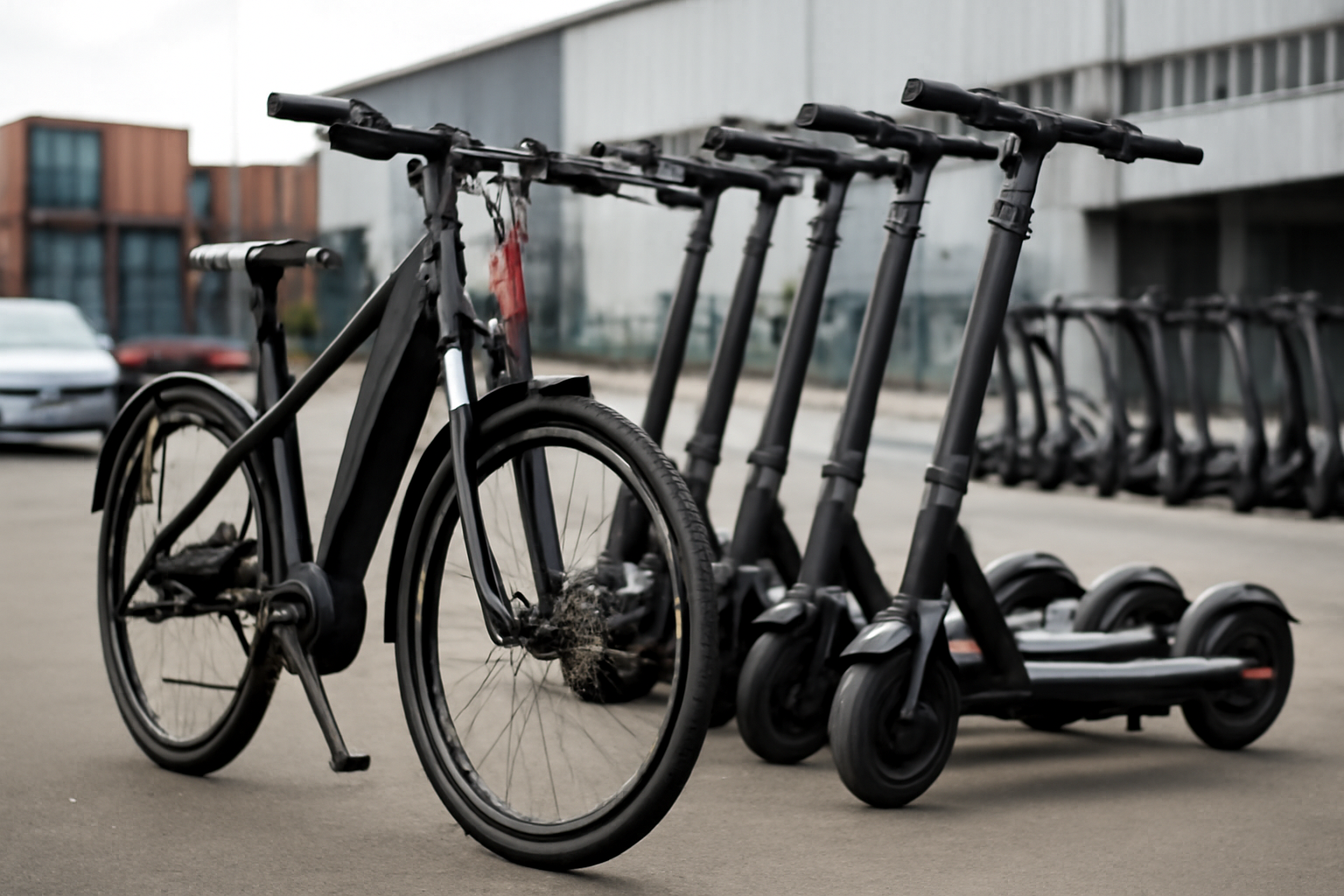
Vehicles sold as bicycles face closer scrutiny
Poland is preparing new regulations concerning the homologation of electric bicycles and scooters that resemble conventional bicycles but can reach substantially higher speeds. The initiative targets vehicles whose appearance and marketing place them in the bicycle category even though their performance may be closer to that of motor vehicles.
TVN24 reports that these machines are increasingly being identified during police inspections. The publication describes them as vehicles that look like bicycles but have relatively little in common with ordinary pedal cycles. Their speed is the central concern behind the planned regulatory response.
The available information does not specify the proposed technical thresholds, the legislative timetable or which approval procedure would apply to individual vehicle categories. It nevertheless indicates that Polish authorities want a clearer distinction between ordinary electric-assisted bicycles and faster powered vehicles. That distinction will determine which products may continue to be marketed and operated as bicycles.
Classification will shape market access
Homologation is a market-access issue for manufacturers and importers because vehicle classification determines the documentation and technical requirements attached to a product. A model treated as a bicycle can enter the market under a different framework from a powered vehicle that requires formal approval. New Polish rules could therefore require suppliers to review product specifications, conformity records and the claims used in sales materials.
Importers will need reliable information about maximum speed, power delivery and the way electric assistance is controlled. Sellers may also have to distinguish more clearly between road-legal bicycles and faster machines subject to another regulatory category. Products that cannot meet the relevant approval requirements could face restrictions on sale or use, depending on the final wording of the rules.
Manufacturers serving Poland may respond by adapting vehicle settings, preparing additional certification or separating product lines by regulatory category. Distributors also face inventory risk if vehicles ordered under the current interpretation are classified differently after the new framework takes effect. The absence of published thresholds means companies cannot yet calculate the full compliance cost.
Police controls expose the enforcement gap
The growing number of high-speed vehicles detected by police suggests that the issue is already moving beyond product labeling. A machine may be presented commercially as an electric bicycle while its operating characteristics raise questions during a roadside inspection. Clearer approval rules could give police, consumers and businesses a common basis for determining what type of vehicle is being used.
For users, reclassification may change the conditions under which a vehicle can legally operate. For the supply chain, the immediate priority is traceability: technical specifications, approval status and marketing descriptions must refer to the same product configuration. Software settings or other modifications made after sale may further complicate enforcement if they alter the vehicle’s speed characteristics.
The commercial impact will depend on the detailed Polish proposal. Until technical limits, transition arrangements and enforcement responsibilities are published, manufacturers, importers and retailers face uncertainty rather than an immediate prohibition. The direction is clear, however: vehicles capable of higher speeds will face greater pressure to demonstrate that their legal classification matches their actual performance.