Poland’s packaging collection gains expose recycling and oversight gaps
Poland’s deposit-return system has demonstrated strong collection capacity, but fragmented data and weak demand for recycled material are limiting assessment of its wider performance. Industry representatives are seeking clearer settlement rules, central oversight and safeguards for unclaimed consumer deposits.
Collection system handles its first year
One year after Poland launched its deposit-return system, its physical collection infrastructure has passed an important operational test. According to Rzeczpospolita, OK Operator Kaucyjny alone collected more than 1.4 billion packages and transferred over 30,000 tonnes of material for recycling. All of that material went to Polish recyclers, with recovery exceeding 90% from each tonne.
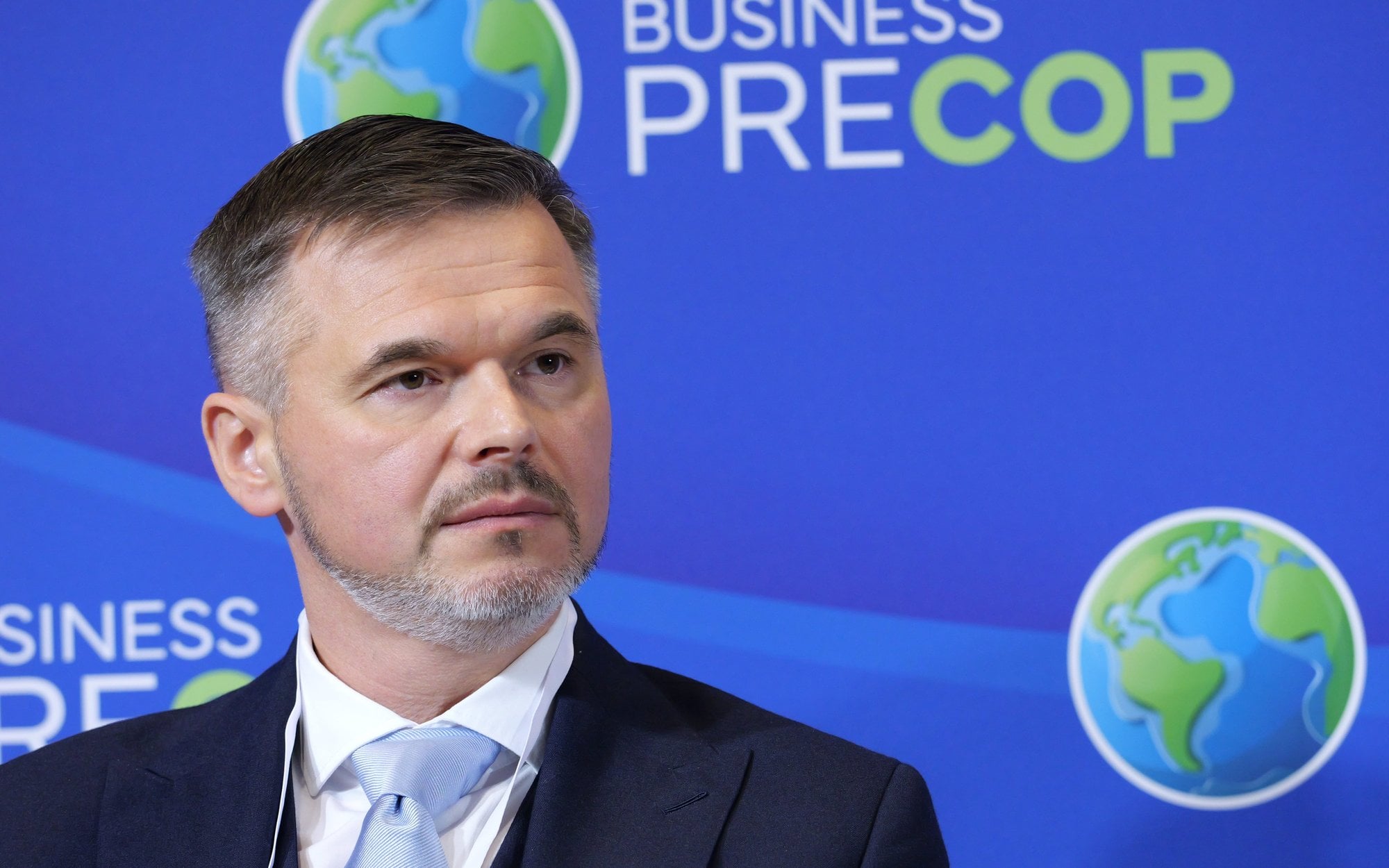
The collection network also handled the summer peak without disruption. Competition among several operators accelerated automation and brought more than a dozen machine suppliers into the market, including Polish companies. New services have also appeared, such as returning deposits directly to payment cards. Tomasz Suligowski, president of OK Operator Kaucyjny, said allowing multiple operators into the market was the correct decision.
Fragmented data obscure nationwide performance
The figures from one operator do not establish the effectiveness of the entire system. Suligowski argued that a complete assessment would require data from every market participant. Operators currently do not share all their information, while their IT systems have not been fully integrated. This makes it difficult for regulators and industry participants to follow financial and material flows across the country.
Collection volumes are also only one measure of performance. The system’s ultimate purpose is to recycle recovered material and use it again in new packaging. That stage remains difficult because the market has an oversupply of collected material but insufficient demand for some recyclates, including blue recycled material. High collection rates can therefore coexist with commercial bottlenecks further down the recycling chain.
Industry seeks clearer rules and central oversight
OK Operator Kaucyjny is calling for an amendment to the legislation governing settlements among operators. One operator may collect packages placed on the market by producers represented by another operator, but the definition and calculation of the resulting settlement fee remain unclear. The unresolved issue is generating disputes, and Suligowski said the ministry has not provided a definitive position.
The status of unclaimed deposits also requires clarification. These funds originate from consumers and, because there is no deadline for returning eligible packages, the company argues that operators should not allocate them independently. Suligowski said the ministry should define whether such money may finance collection machines, IT systems or other improvements for consumers. He argued that it should not cover operators’ routine expenses or reduce producer fees. At OK Operator Kaucyjny, unclaimed deposits are held in a separate account and are not currently used.
Suligowski proposed a non-commercial body, such as a chamber, foundation or nonprofit company, to arbitrate disputes, protect equal competition, monitor financial and material flows and maintain a central database for the environment ministry. Its council would include producers, retailers, recyclers and state authorities. After a year focused on building collection capacity, the next phase will depend on data integration, recyclate demand and rules capable of making Poland’s multi-operator model work as a unified national system.