Poland’s Mercosur poultry and corn imports fall as soybean inflows rise
Polish poultry meat imports from Mercosur fell 83% by value during the first four months of interim EU-Mercosur trade rules, while corn and beef imports also declined. Soybean, rice and honey inflows increased, and Poland’s broader agricultural exports to the bloc grew after excluding a sharp fall in malt sales to Brazil.
Sensitive agricultural imports decline
Poland imported less poultry meat, corn and beef from Mercosur during the first four months of the interim application of the trade section of the EU-Mercosur agreement, according to Ministry of Agriculture and Rural Development data reported by dlahandlu.pl. The provisional application began on May 1, 2026, and the figures cover May through August.
Poultry meat recorded the steepest decline. Its import value fell 83% year on year, from PLN 5.76 million to PLN 1 million. Volumes dropped 80%, from 304 tonnes to 62 tonnes. The figures offer no early evidence of the increase in lower-priced meat shipments that had concerned European farmers before the trade rules took effect.
Corn imports declined from PLN 45.5 million to PLN 35.2 million, while volumes fell from 34,000 tonnes to 27,200 tonnes. Beef imports also decreased, from approximately PLN 6.1 million to PLN 2.2 million. Poland recorded no imports of pork, milk powder, cheese or infant preparations from Mercosur during the period.
Soy products dominate a mixed import picture
The overall import mix was uneven across agricultural categories. Soybean meal, used mainly in animal feed, accounted for more than half the value of Poland’s imports from the region. Purchases reached PLN 1.221 billion, although that was 9.8% lower by value and 20% lower by volume than a year earlier.
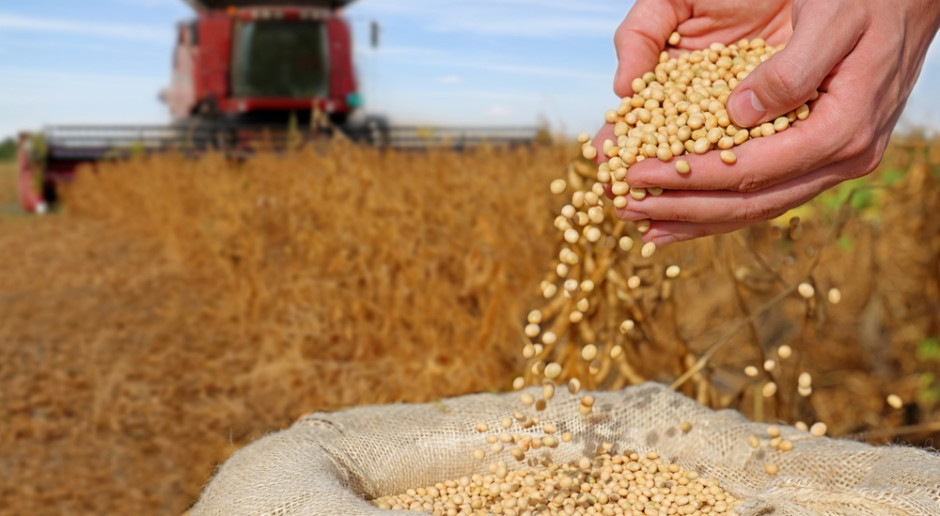
Imports of whole soybeans moved in the opposite direction, reaching PLN 47.9 million from a marginal level in the comparable period of 2025. Rice imports increased from PLN 0.5 million to PLN 8.4 million, while honey imports rose from PLN 0.4 million to PLN 2.3 million.
Several other food categories contracted. Coffee imports fell 60%, fruit juice shipments—primarily orange juice—declined 38%, and citrus fruit imports dropped 11%. The ministry said it would continue monitoring categories showing higher inflows, but cautioned that import data alone cannot establish whether the changes will affect retail prices.
Malt weighs on Polish exports to Mercosur
Poland’s agri-food exports to Mercosur were worth PLN 94.8 million between May and August, down 21% from the same period of 2025. The ministry attributed most of the contraction to malt exports to Brazil, whose value dropped from PLN 40.1 million to PLN 2.9 million.
The comparison follows an unusually strong expansion in malt trade. Poland exported 48,700 tonnes of malt to Brazil in 2025, 83% more than the 26,700 tonnes shipped in 2024. The available data do not identify the reason for the subsequent decline.
Other export segments performed more strongly. Polish sales of confectionery products rose 23%, malt extracts and flour-based preparations increased 26%, and animal-feeding products advanced 116%. Exports of starch and inulin climbed 294%. Excluding malt, the value of Poland’s remaining agri-food exports to Mercosur increased by about 15%, from approximately PLN 79.9 million to PLN 91.9 million.
Safeguards remain central to longer-term assessment
The ministry stressed that four months of data are insufficient to determine the agreement’s long-term effect. Tariff-rate quotas for some agricultural products are scheduled to increase gradually in coming years, potentially changing the competitive position of Mercosur suppliers in Poland and the wider EU market.
An EU agricultural safeguard mechanism has been in force since March. It allows trade preferences to be suspended temporarily when higher Mercosur imports cause, or threaten to cause, serious harm to EU producers. Polish authorities are monitoring import volumes, prices and individual markets while calling for equivalent environmental, social and production standards for non-EU suppliers.
The agriculture and health ministries have also introduced rules covering residues of active substances from plant-protection products in food. According to the ministry, the measures are intended to strengthen consumer safety and reduce the risk of unequal competitive conditions between EU producers and overseas suppliers.