Poland’s faster coal exit raises unemployment risks in mining districts
Poland’s falling coal demand could force mines to close earlier than the timetable in the sector’s social agreement, according to an Instrat Foundation report. The effects will vary sharply across 66 coal-linked districts, with mining-dependent towns and weaker rural areas facing the greatest employment risks.
Coal demand falls faster than the official timetable
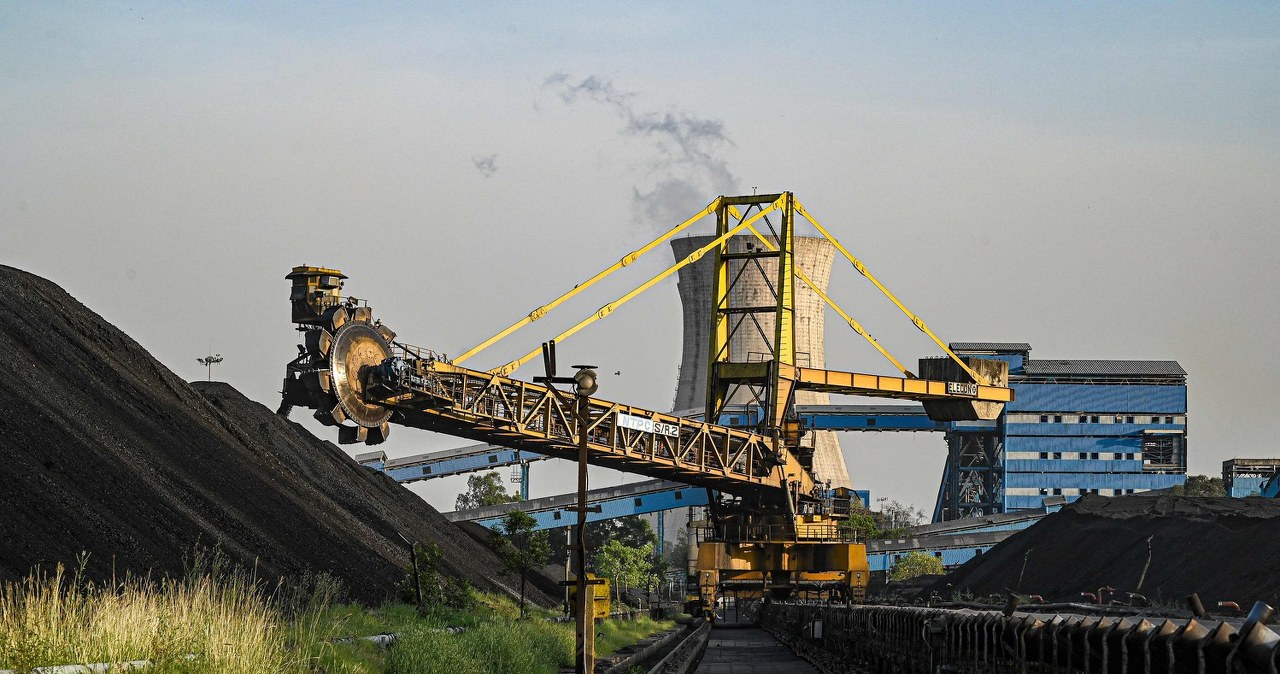
Poland is moving away from coal faster than its current plans assume, increasing pressure on mining districts to prepare for earlier closures and job losses. Interia Biznes, citing a new Instrat Foundation report, said the rapid decline in coal demand will probably force hard-coal extraction to end sooner than envisaged in the sector’s social agreement.
The shift follows a prolonged contraction in the industry. Poland’s domestic hard-coal output has fallen by more than 70% over the past three decades. After the closure of the last mine in the Czech Republic, Poland remains the only hard-coal producer in the European Union.
Instrat examined 66 Polish districts connected with coal extraction or combustion. It divided mining areas into five clusters based on labor-market conditions, wages, entrepreneurship and development potential. The findings show that a uniform support policy would miss substantial differences between large cities, mining centers and the rural districts surrounding major operations.
Some labor markets have alternatives
Districts classified as coal areas with potential include Bełchatów, Bieruń-Lędziny, Mikołów, Pszczyna, Wodzisław, Gliwice and Rybnik, as well as the cities of Rybnik, Jaworzno and Żory. Although many remain closely connected to mining or power generation, they have relatively diversified economies and wages near the national average. Manufacturing, logistics, services and entrepreneurship provide alternative employment, while positive net migration suggests residents continue to see professional opportunities there.
The largest cluster contains 29 average coal and post-coal districts. A separate group of large cities and districts with mining links includes Dąbrowa Górnicza, Gliwice, Katowice, Opole, Tychy, Racibórz and Świebodzin. Instrat found that this group has stable labor markets, the highest female employment share, the lowest long-term unemployment and above-average wages. Mining and energy represent only 1% of employment in Świebodzin and 4% in Katowice, limiting direct exposure to mine closures.
The coal core and rural periphery face greater risks
Conditions are more difficult in the coal core, which includes Jastrzębie-Zdrój and several Silesian mining centers. These areas have the highest share of mining and energy employment among the clusters. Pay is well above the average for the other districts and unemployment is relatively low, but replacing well-paid mine jobs with positions offering comparable wages will be difficult. Lower mining activity could also reduce demand for local services and retail and weaken municipal budgets.
The report identifies the mining and rural rings around major extraction complexes as the most vulnerable group. These districts have higher unemployment, lower wages, weaker business activity and lower female participation in the labor market. In the Lublin Coal Basin, economic benefits are concentrated in Łęczna district, where the Bogdanka mine is located, while neighboring rural districts record higher unemployment and lower levels of economic development even though many residents work at the mine.
Targeted funding and earlier investment
Some exposed eastern districts are not covered by the EU Just Transition Fund despite having socioeconomic conditions similar to supported regions. Instrat argues that eastern Poland’s coal districts should gain access to such financing if Bogdanka reduces production. It also recommends updating the hard-coal closure schedule to align it with Poland’s National Energy and Climate Plan.
For the EU’s 2028-2034 financial period, the report calls for resources to focus on districts with the highest mining dependence and weakest socioeconomic position. Retraining programs are particularly important in places such as Łęczna district, while greater support for women’s employment is needed in areas historically organized around male mining jobs. Instrat said new investment must arrive before individual operations close if local economies are to absorb displaced workers.