Poland’s dairy processing base shrinks from 336 operators to 121
Poland’s number of milk processors and collecting cooperatives fell from 336 in 1995 to 121 last year. Consolidation is continuing as rising costs, low margins and export-market volatility put smaller operators under pressure.
Three decades of consolidation
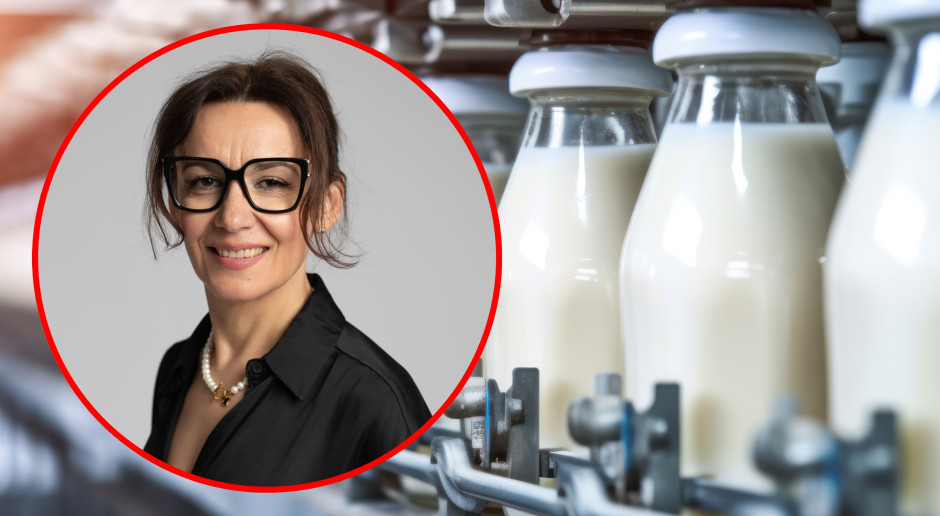
The number of Polish businesses and cooperatives processing or collecting milk has fallen by almost two-thirds over three decades. Poland had 336 such operators in 1995, according to figures cited by Agnieszka Maliszewska, president of the Polish Chamber of Milk. The total declined to 265 in 2004, 148 in 2020 and 121 last year.
Dlahandlu.pl reports that more than 200 operators have left the market during this period. The decline does not represent bankruptcies alone. Many smaller plants were absorbed into larger organizations or merged with other cooperatives as competition increased and processors sought greater production efficiency.
Earlier consolidation was led largely by major dairy groups including Mlekpol, Mlekovita and privately owned Polmlek. Acquisitions often involved financially weak cooperatives, while the buyers also sought growth and geographic diversification. Current transactions are more selective and are preceded by detailed financial analysis. For cooperatives, they generally take the form of mergers under cooperative law rather than conventional takeovers.
Healthy operators become preferred partners
Farmers, as the owners of cooperatives, decide on mergers through supervisory boards and general meetings. This makes consolidation more complex than at privately owned companies. Maliszewska said combinations between financially healthy businesses are now more desirable than attempts to rescue deeply indebted cooperatives. Of the 121 remaining operators, she estimated that about 20 to 30 cooperatives have promising prospects, although only some are actively consolidating with smaller entities.
Small processors are not necessarily destined to disappear. Some are competing through regional cheese, premium and organic goods, functional food and milk-based cosmetics rather than production scale. The dairy cooperative in Kosów Lacki has expanded rapidly over the past ten years, while the district cooperative in Rawicz has rebuilt its market position through innovative milk-based products, including cosmetics.
Operators without a distinctive product face a harder outlook. Production and raw-milk costs are increasing, while farmers expect better prices for their deliveries. A cooperative that cannot remain competitive risks losing milk suppliers and, with them, the basis of its operations. Matured cheese and regional, organic or functional products can help smaller dairies avoid direct price competition with the largest processors.
Costs and exports intensify pressure
Some cooperatives may seek partners, stop processing or limit their role to collecting milk from members and selling it to larger specialized plants. This model already operates in several Western European countries and can reduce investment requirements while preserving stable collection arrangements for farmers. Early merger talks are especially important because heavily indebted businesses are less attractive to potential partners.
Polish processors are also dealing with higher energy, labor, fuel, packaging and raw-material costs, changing European Union rules and strong price pressure from retail chains. The sector works with very low margins, making each cost increase significant for profitability. Extended producer responsibility, if introduced in its current form, would raise packaging expenses, according to Maliszewska.
More than 30% of Poland’s domestic dairy production is exported. Global price movements and demand therefore feed directly into processor earnings. For the remaining cooperatives, survival will depend on cost control, access to milk suppliers and either sufficient processing efficiency or a specialized product range capable of supporting stronger margins.