Poland Enters Heating Season With Empty Mine Stockyards and Coal Above 2,500 Zloty
Prices for some coal grades in Poland's private distribution have passed 2,500 zloty per tonne and reach 2,690 zloty for bagged product, while typical market levels remain closer to 1,800-2,000 zloty, according to farmer.pl. Trade unionist Boguslaw Zietek told wnp.pl that mine stockyards are empty and that state-controlled Weglokoks has already imported two shiploads of coal for the power sector. Imported coal burned in power and heat plants is around 40 percent more expensive than coal sold to utilities by Polish mining companies, he said.
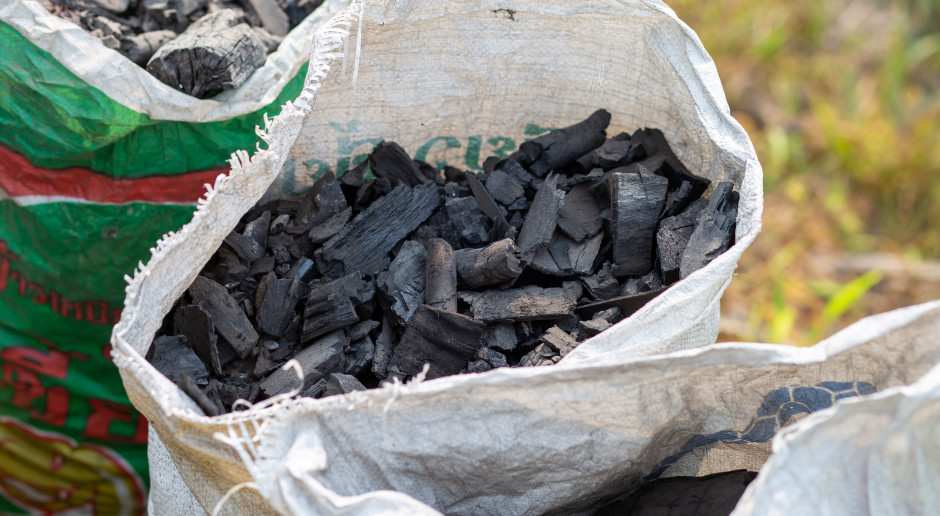
Coal prices in Poland's private distribution network have moved above 2,500 zloty per tonne for some grades as the heating season begins, while a trade union leader and an opposition politician warn that mine stockyards are empty and that state-controlled companies have been instructed to buy imported cargoes.
Retail prices range from 1,600 to 2,690 zloty per tonne
According to farmer.pl, prices for part of the coal assortment in private distribution have already passed 2,500 zloty per tonne, but that level is not representative of the whole market. Typical market prices currently sit closer to 1,800-2,000 zloty per tonne, and in many depots the popular groszek (pea) and orzech (nut) grades still cost about 1,600-2,100 zloty per tonne.
The portal cites the current price list of the Imex Piechota depot in the Opole region as one of the higher examples: loose pea coal at roughly 2,290-2,390 zloty per tonne, with some bagged products running from about 2,440 to 2,690 zloty per tonne. Selected nut and cobble grades are also priced above 2,500 zloty. Loose coal is generally cheaper than bagged product.
farmer.pl reports that some sellers have raised prices in recent weeks, with the picture differing by region, coal type, fuel quality and sales format. Periodic shortages of specific grades can occur, particularly high-quality bagged coal, but the portal says this is not sufficient grounds to describe a nationwide fuel shortage, and that reports of empty shelves should be treated as local rather than national. It adds that claims about emptied strategic stockpiles, or about domestic mines operating at the limit of capacity, would require confirmation from current production data.
Union leader and former deputy minister warn of a supply crisis
A sharply different assessment appeared in interviews published by wnp.pl. Marek Wesoly, a Law and Justice MP and former deputy minister of state assets responsible for mining, said he expects a threat to commercial power generation and very expensive coal for households, which Poland still needs in large volumes. "I sense there will be a very big crisis here. The government should have prepared for this long ago. I hear there is some panic now," he said. Wesoly added that output at Polish mines cannot be increased overnight once it has been cut, that all the stocks the country held have been burned, and that a severe winter would create problems.
Boguslaw Zietek, chairman of the Sierpien 80 trade union, told wnp.pl that stockyards at the mines are empty. He noted that on 6 October energy minister Milosz Motyka said coal would not run short on the Polish market, and argued the minister was relying on stale information because the coal had already run out and was being imported on a large scale.
Imports, Weglokoks and the Kazakh route
According to Zietek, private companies are importing coal in order to earn a large margin and then place it with state power companies or municipal heating utilities. He put the cost of imported coal burned in power and heat plants at about 40 percent above the price Polish mining companies offer to power stations. He said the government, in a panic, also instructed state-owned or state-controlled companies to import.
Weglokoks is one of the companies involved and has already brought in two ships of coal for the power sector, with further foreign purchases planned, financed by a state agency, Zietek said. He argued the money should be directed elsewhere, such as rescuing Jastrzebska Spolka Weglowa, which he described as on the verge of bankruptcy, or supporting the Polish steel industry. Poland is spending hundreds of millions of zloty on imported coal while having the resource under its feet, he said.
On the household market, Zietek said coal at depots is either unavailable or rising in price day to day, and where it is available it costs between 2,000 and 2,500 zloty per tonne, with the heating season only just beginning. He raised two further risks: a Russian block on coal transport from Kazakhstan, which accounts for most of Poland's imports and moves either through Russian ports or by Russian rail, and competing demand from other buyers such as Germany, which he said is holding record-low gas stocks.
What sellers are advising buyers
With prices elevated, some sellers advise buying fuel in stages rather than securing an entire season at once, farmer.pl reports, a strategy that can limit the risk of purchasing a large volume at a local price peak. One depot operator's recommendation is to buy only enough fuel to last comfortably until the end of December or January. There is no guarantee that prices will fall in the first half of winter, the portal notes, as they depend on weather, delivery volumes, imports, exchange rates and demand behaviour.