Polish antitrust authority finds no breach in Lidl and Biedronka butter promotions
Poland’s UOKiK found no grounds to suspect price-fixing or abuse of bargaining power in butter promotions run by Lidl and Biedronka. Dairy companies and smaller retailers still warn that prices as low as PLN 0.99 for a 200-gram block can distort consumer expectations and intensify pressure on processors.
Regulator finds no basis for intervention
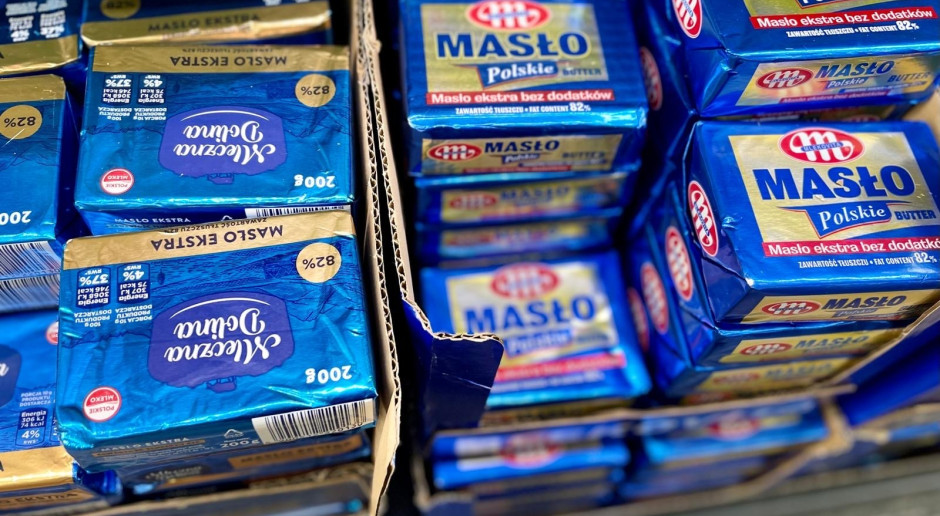
Poland’s Office of Competition and Consumer Protection, UOKiK, has found no grounds to suspect that exceptionally cheap butter promotions by Lidl and Biedronka resulted from price-fixing or an unfair use of bargaining power. The authority examined the market after complaints about offers ranging from PLN 0.99 to PLN 1.99 for a 200-gram block.
The National Auditing Union of Consumer Cooperatives “Społem” filed a formal notification in May, arguing that the two discount chains could be selling butter below their purchase cost and disrupting fair competition. An anonymous whistleblower also contacted the authority. According to Interia Biznes, Polish offers attracted criticism from Czech producers and retailers as well.
UOKiK told Rzeczpospolita that the discounts primarily reflected intense price competition between retail chains. A very low selling price, even one below the average purchase price, does not by itself establish a legal violation, it said. Promotions are commonly limited by time, quantity or conditions such as buying several private-label packs. The authority does not set retail prices, but can intervene if it detects restrictions on competition or unfair treatment of suppliers. It said the available information provided no such basis, although monitoring will continue.
Dairies question the economics of shelf prices
Małgorzata Cebelińska, vice-president of dairy cooperative SM Mlekpol, told Rzeczpospolita that promotions are a normal part of retail competition but should be distinguished from selling staple dairy products below their real production cost. Retailers determine shelf prices and the scale of discounts, while manufacturers negotiate supply terms without controlling the final consumer price, she said. In her assessment, butter priced at several dozen groszy or milk at PLN 1.20 per litre does not reflect production costs and risks misleading consumers.
Jakub Olipra, senior economist at Credit Agricole, estimated that production and distribution costs would support a butter price of PLN 5–6 per block rather than PLN 2. Rzeczpospolita noted that butter had reached PLN 10 per block in December 2022, illustrating the size of the subsequent decline. Poland’s dairy sector is particularly exposed to the dispute because cooperatives control 70% of the domestic milk market, with Mlekpol, Mlekovita and Piątnica among its largest participants.
Low prices coincide with pressure on processors
The promotional battle comes during a difficult period for processors. Rzeczpospolita reported that the sector’s overdue debt registered with credit information bureaus increased by PLN 1.5 million over a year, from PLN 4 million to PLN 5.5 million. Energy companies, leasing providers and factoring firms accounted for PLN 3.8 million of the claims. The newspaper also cited the bankruptcy of OSM Prudnik and the closure of the Rypin dairy cooperative in December 2025 after 100 years of operation.
Olipra expects the milk cycle to turn as supply weakens. Heat waves can reduce output through animal heat stress, while lower feed availability and high fertiliser prices may add pressure. He forecast that Poland’s farmgate milk price would exceed PLN 2 per litre in December and said butter could return to PLN 7–8 next year. For processors, that outlook raises the risk that today’s headline promotions will prove temporary even as consumers come to regard them as a normal reference price.