Real-world plug-in hybrid emissions are six times official EU ratings
Plug-in hybrids registered in the EU in 2024 emitted an average of 145 g of CO2 per km in real-world driving, compared with an official rating of 24 g. The gap may affect the 2027 testing correction, automakers’ fleet compliance and the economics of plug-in hybrid sales.
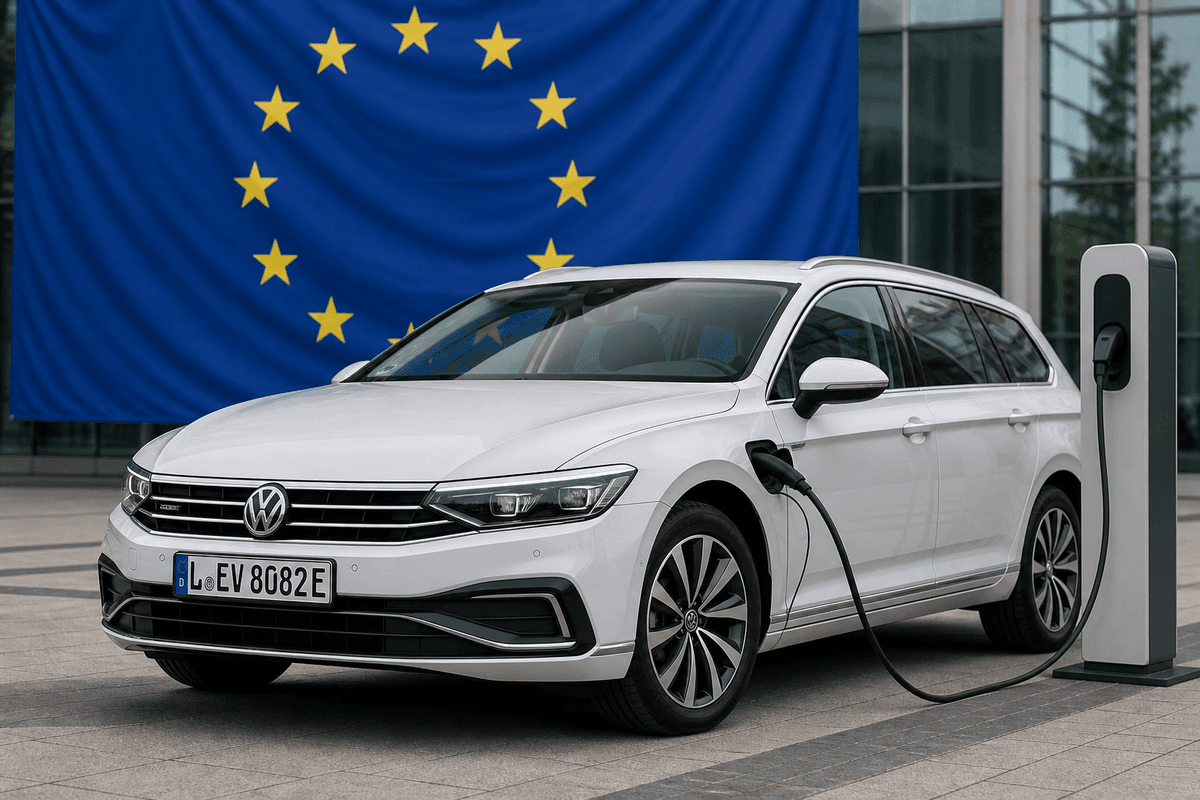
EU data expose a widening emissions gap
Plug-in hybrid electric vehicles registered in the European Union in 2024 emitted an average of 145 g of CO2 per km in real-world use, around six times their official rating of 24 g, according to elektroquatsch.de. The analysis covered consumption records from approximately 220,000 vehicles collected through onboard fuel-consumption monitoring devices.
The gap widened even as certified performance improved on paper. From 2023 to 2024, the official emissions figure declined by approximately 15%, while real-world emissions increased by about 5%. The opposing trends indicate that changes in laboratory ratings did not reflect how the vehicles were being charged and driven.
Real-world tailpipe emissions from the plug-in hybrids were only 14% below the average for conventional petrol and diesel vehicles, which stood at 169 g of CO2 per km. These figures cover emissions produced during driving and do not constitute a full lifecycle assessment of vehicles, batteries, fuels or electricity.
Charging behaviour determines the result
Official type approval uses a utility factor to estimate the share of distance that a plug-in hybrid travels electrically. A higher assumed electric share produces a lower certified CO2 value. In practice, drivers who charge infrequently rely more heavily on the combustion engine, which must also move the additional weight of the battery and electric-drive equipment.
Plug-in hybrids can therefore deliver efficient operation when their batteries are charged regularly and electric driving is used consistently. Larger batteries, longer electric ranges and faster charging could increase that share. However, the potential depends on drivers having suitable charging access and using it routinely.
This distinction matters to private buyers and fleet operators because a more realistic certified figure would not itself reduce fuel use. It would instead give customers, regulators and investors a more accurate indication of expected emissions under average driving conditions.
2027 correction becomes a compliance issue
The EU began adjusting its assumed electric-driving share toward real-world usage data in 2025, with another correction planned for 2027. That change would increase the official CO2 ratings of many plug-in hybrids without any technical alteration to the vehicles themselves.
Parts of the automotive industry want the next correction removed. They argue that higher certified emissions could weaken demand for plug-in hybrids, burden investment and undermine sales of a technology positioned as a bridge between combustion engines and fully electric vehicles. Further political discussions are expected in autumn 2026.
The dispute also affects manufacturers’ compliance with European fleet-average CO2 targets. If the assumed electric-driving share is too high, plug-in hybrids provide automakers with more regulatory relief than their real-world emissions reductions warrant. More demanding ratings could consequently change product planning, fleet composition, pricing and the balance between plug-in hybrid and battery-electric sales.
Manufacturers retain significant market exposure
Plug-in hybrids accounted for almost one in ten new passenger-car registrations across the EU in the first half of 2026. Their market position means that a testing revision could have material consequences for manufacturers, dealers, leasing companies and corporate fleets.
Germany and Austria would be directly affected as EU members. Switzerland would feel indirect effects because manufacturers generally plan model ranges, specifications and pricing for the wider European market. The outcome will determine whether plug-in hybrids continue to benefit from ratings based on optimistic charging assumptions or are assessed more closely against observed use.