Plant-protein product launches rise 23% as Mexico expands beyond substitutes
Plant-protein product launches increased 23% between 2020 and 2024, with Mexico and Brazil among Latin America’s most dynamic markets. Companies are expanding beyond meat and dairy substitutes into functional snacks, beverages, ready meals and products built around local ingredients.
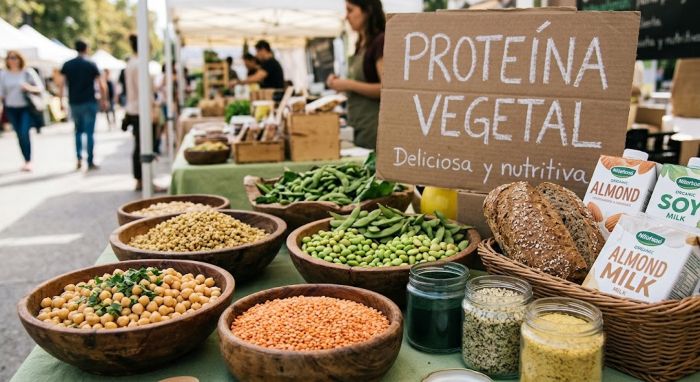
Launches accelerate across Latin America
Plant-protein product launches grew 23% between 2020 and 2024, with Brazil and Mexico among Latin America’s most dynamic markets, according to Innova Market Insights data published by The Food Tech in 2026 and reported by Almomento. The figures point to a market moving beyond direct substitutes for meat, milk, cheese and eggs toward a wider range of nutritious, functional, convenient and affordable foods.
Consumer intentions support that shift. NielsenIQ’s Health & Wellness 2025 study, covering 19 countries including Mexico, found that 53% of respondents planned to buy more fiber-rich foods. Nearly 40% intended to increase purchases of superfoods, high-protein plant-based products or foods containing probiotics. This creates room for producers to market plant-protein foods for the benefits they provide, rather than only for the animal products they replace.
Taste, convenience and price remain decisive
The opportunity comes with demanding product requirements. Kantar México data show that home-cooking occasions increased 14.7%, equivalent to 23 million additional occasions per week in the cities studied. Among consumers, 70.7% seek healthy options, 70.6% want tasty food and 56.3% favor quick and easy solutions. Plant-based positioning alone is therefore unlikely to secure repeat purchases unless products also perform on flavor, nutrition and convenience.
Innovation is spreading across functional snacks, ready-to-drink beverages, plant-based alternatives and hybrid products, often combining protein and fiber. Formulators are working with pea, chickpea, lentil, bean, seed, mushroom, mycelium and algae ingredients. In Mexico, Güd produces plant beverages and cheese alternatives; Benji combines ready-to-eat foods with sausage and meat alternatives; and Meathical offers pea-protein powder and meat analogues made from several plant sources. Propel Foods and VegMex are also adapting plant alternatives to Mexican dishes.
Technology meets Mexico’s food heritage
Fermentation, biotechnology and food science can improve proteins, fats, flavors, vitamins and enzymes. Commercial success, however, depends on solving specific problems such as aftertaste, texture, digestibility, stability, price and scalability. The source material emphasizes that consumers are not prepared to sacrifice the eating experience simply to choose a plant-based option.
Mexico also has a differentiated ingredient base. Its culinary tradition already relies heavily on corn, beans, amaranth, chiles, seeds, mushrooms and legumes. Combining these foods with gastronomic knowledge and food technology could produce distinctly Mexican offerings with export potential and greater value added for domestic supply chains. Janete Salcedo, marketing and development director at Mexico’s Association of Vegan Entrepreneurs, argued that progress will require links among entrepreneurs, established industry, research centers, retailers and investors, together with clear rules and certification systems.
Distribution will determine the next stage
Restaurant and retail availability is already broadening. Veganuary and HappyCow’s 2025 ranking counted 13,010 vegan establishments or venues with vegan options in Latin America, 20% more than in 2023. Mexico accounted for 3,224 locations and led the region with 512 fully vegan establishments. These figures measure supply rather than consumption, but they indicate an established testing ground for new products and channels.
The next stage depends on reaching supermarkets, restaurants, cafés, hotels, convenience stores, digital platforms and foodservice chains. Clear labeling will also matter because terms such as plant-based, vegan, vegetarian, meat-free and dairy-free can describe different attributes. Investment appetite is present: in an Association of Vegan Entrepreneurs survey of 52 ecosystem companies, 70% of the 20 participating producers reported investments in 2024, while 55% identified access to new markets as a challenge for 2025. For Mexican producers, the central task is to turn innovation into competitively priced products that can secure mass distribution and routine household demand.