Pig disease disrupts pork supply across four South African provinces
A pig disease affecting farms in Free State, North West, KwaZulu-Natal and parts of Gauteng has disrupted South Africa’s pork supply. Available information does not identify the disease or quantify its effect on farms, production or prices.
Disease reaches farms in four provinces
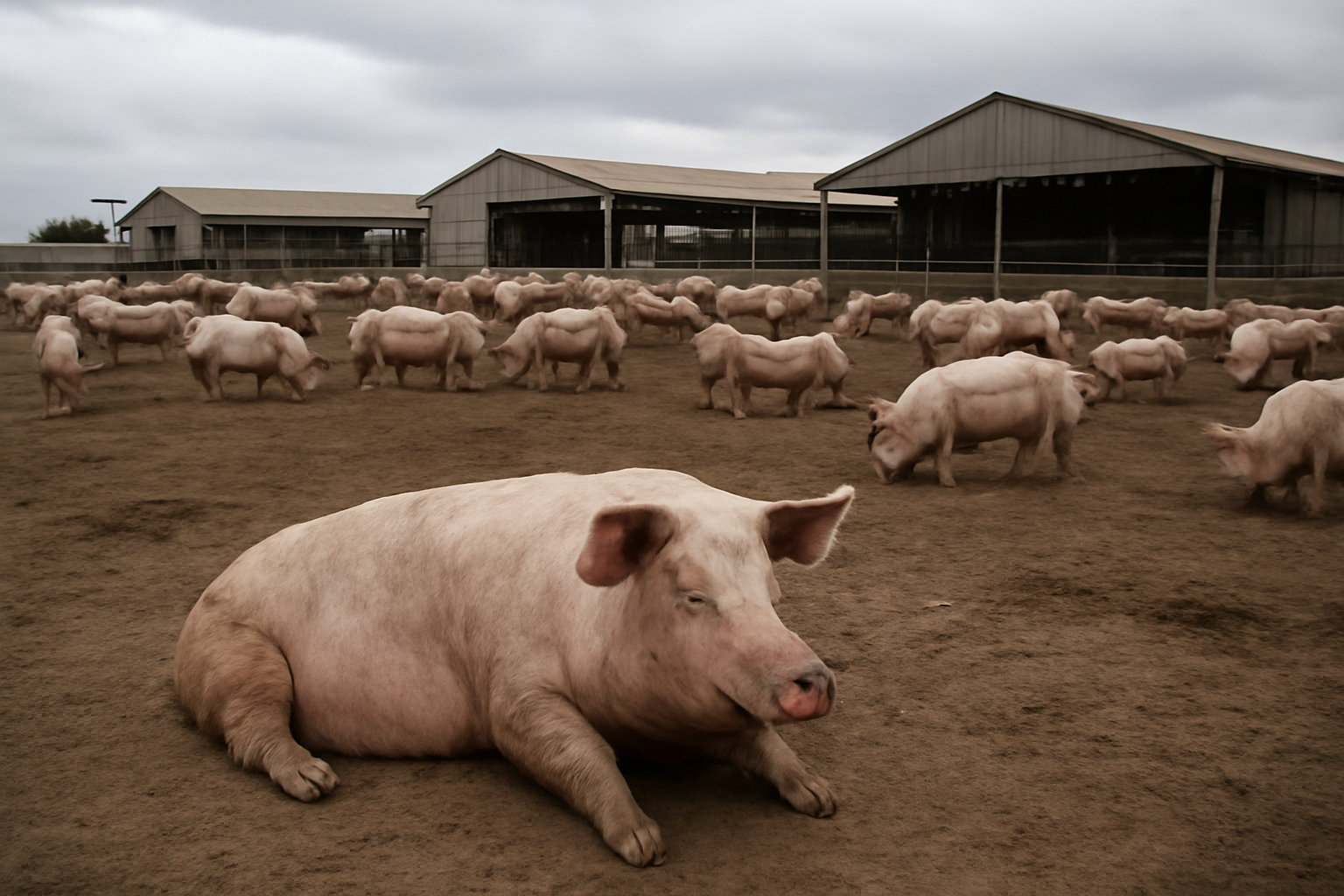
A pig disease affecting farms across several South African provinces is disrupting the country’s pork supply. Farms in Free State, North West, KwaZulu-Natal and parts of Gauteng are affected, giving the incident a footprint across four important areas of the domestic livestock market.
The available information does not identify the disease, state when the incidents began or provide the number of farms or animals involved. It also does not specify whether the disruption results from animal deaths, preventive culling, movement restrictions, processing constraints or a combination of measures. These gaps prevent a reliable estimate of the immediate reduction in pork output.
The spread across multiple provinces nevertheless matters for the supply chain. An animal-health problem limited to one farm can sometimes be contained locally, while cases in several regions can affect more producers, livestock movements and deliveries to processors. The inclusion of only parts of Gauteng also indicates that the impact is not described as uniform across every affected province.
Supply effects remain unquantified
No production, capacity, inventory or price figures have been provided. There is also no information on changes in slaughter volumes, wholesale pork availability or retail supply. The extent of the disruption therefore cannot yet be compared with South Africa’s normal pork production or consumption.
For processors, the central question is whether affected farms can continue supplying animals and whether healthy pigs can move normally from unaffected areas. Any interruption between farms and slaughter facilities can alter plant scheduling and raw-material availability. Producers face a different set of pressures, including disease control, access to buyers and uncertainty over when normal operations can resume.
Traders and buyers will also need to distinguish between a temporary logistics interruption and a broader decline in domestic production. The current information confirms pressure on supply but provides no evidence on its duration. It does not indicate whether pork prices have changed or whether buyers are seeking additional supply from outside the affected provinces.
Market waits for disease and control details
The disease’s identity will be important for assessing its likely path and the measures required to contain it. Different pig diseases can lead to different controls, commercial consequences and recovery periods. Without that information, conclusions about the likely duration or severity of the disruption would be premature.
Further details are also needed on farm locations, confirmed cases, animal losses and restrictions on livestock or pork movements. Official guidance on containment and the status of unaffected farms would help producers, processors and buyers judge how much pork remains available to the market.
For now, the confirmed commercial consequence is a disruption to pork supply linked to affected farms in Free State, North West, KwaZulu-Natal and parts of Gauteng. The eventual effect on production, processing and prices will depend on the scale of the outbreak and the measures used to control it, neither of which has been disclosed.