Philippines Wastes an Estimated 542,477 Metric Tons of Milled Rice Annually
The Philippines wastes an estimated 542,477 metric tons of milled rice each year, according to the Department of Agriculture. The volume could feed 5.17 million people, highlighting the potential value of reducing losses across the rice supply chain.
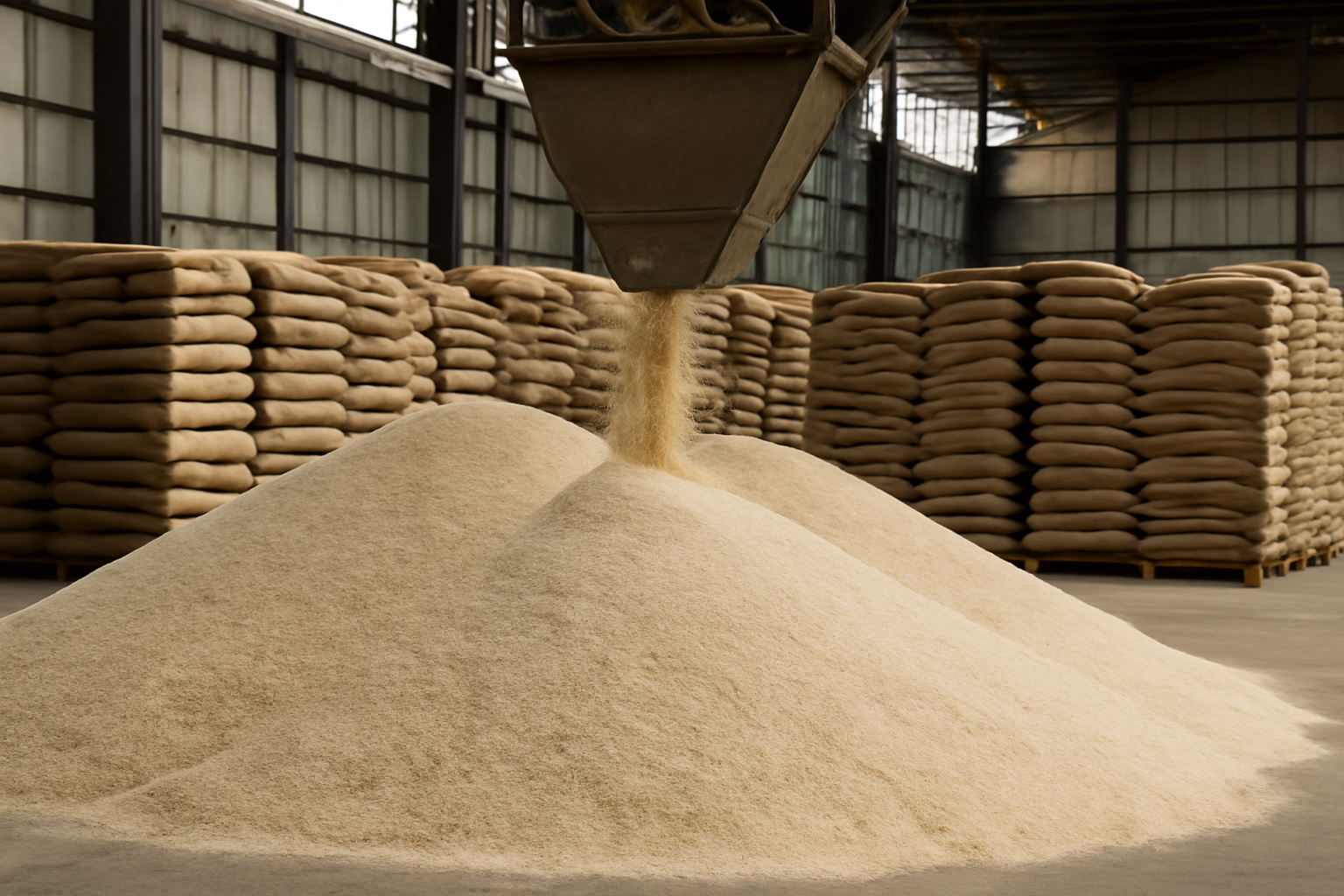
Annual waste exceeds 542,000 metric tons
The Philippines wastes an estimated 542,477 metric tons of milled rice every year, according to the country’s Department of Agriculture. Manila Standard reported that the lost volume would be sufficient to feed 5.17 million people.
The estimate measures waste in terms of milled rice, the product available for household and commercial consumption after processing. Its scale points to a substantial gap between the rice entering the domestic supply chain and the quantity ultimately consumed.
For a country managing food availability through domestic production and imported supply, recovered rice would represent additional food without requiring a corresponding increase in harvested area or overseas purchases. The department’s estimate does not establish how much of the total could realistically be recovered, but it identifies waste reduction as a potential source of supply.
Food availability and import implications
The comparison with 5.17 million people puts the estimate into practical terms. Rice discarded after milling has already absorbed the resources used in cultivation, harvesting, transport, processing and distribution. Preventing part of that waste could therefore improve the amount of food available from existing production and procurement.
The estimate also matters for import planning. Waste does not translate automatically into an equal volume of avoidable imports because purchasing decisions depend on production, inventories, demand and the timing of supply. Nevertheless, persistent losses increase the volume that the wider food system must replace. Reducing them could ease pressure on supply requirements at the margin and make available stocks more effective.
Importers and traders would need to assess any reduction in waste alongside changes in consumption and local output. For millers, wholesalers and retailers, lower losses could increase saleable volumes, although the commercial effect would depend on where waste occurs and who currently bears its cost.
Losses require action across the chain
The available estimate does not provide a breakdown of waste by stage. That distinction is important because losses during handling or distribution require different remedies from rice discarded by retailers, food-service businesses or households. Without such detail, the 542,477-metric-ton figure should be treated as a national benchmark rather than a direct target for any single industry segment.
Possible responses include better measurement of where rice is lost, closer inventory control and improved handling through the chain. Consumer and food-service practices also matter where cooked or purchased rice is discarded. Measures should be matched to verified sources of waste so that costs are directed toward the parts of the system with the greatest recoverable volumes.
A measurable source of additional supply
The Department of Agriculture’s estimate frames rice waste as more than a household issue. It affects food availability and the efficiency of spending already committed to producing, processing and distributing the grain.
For producers, processors, traders and policymakers, the next requirement is a clearer allocation of the total among supply-chain stages. That would show how much rice can be recovered, which participants can act and whether prevention costs less than replacing the lost supply. Until such detail is available, the central finding remains significant: 542,477 metric tons of milled rice are estimated to be wasted annually while that volume could feed 5.17 million people.