Philippines Retains Sugar Imports as a Tool to Stabilize Supply and Prices
The Philippine Department of Agriculture says sugar imports remain available for market and price stabilization but are not the administration’s primary industry policy. Agriculture Secretary Francisco Tiu Laurel Jr. gave the assurance to sugar industry stakeholders.
Imports remain an intervention option
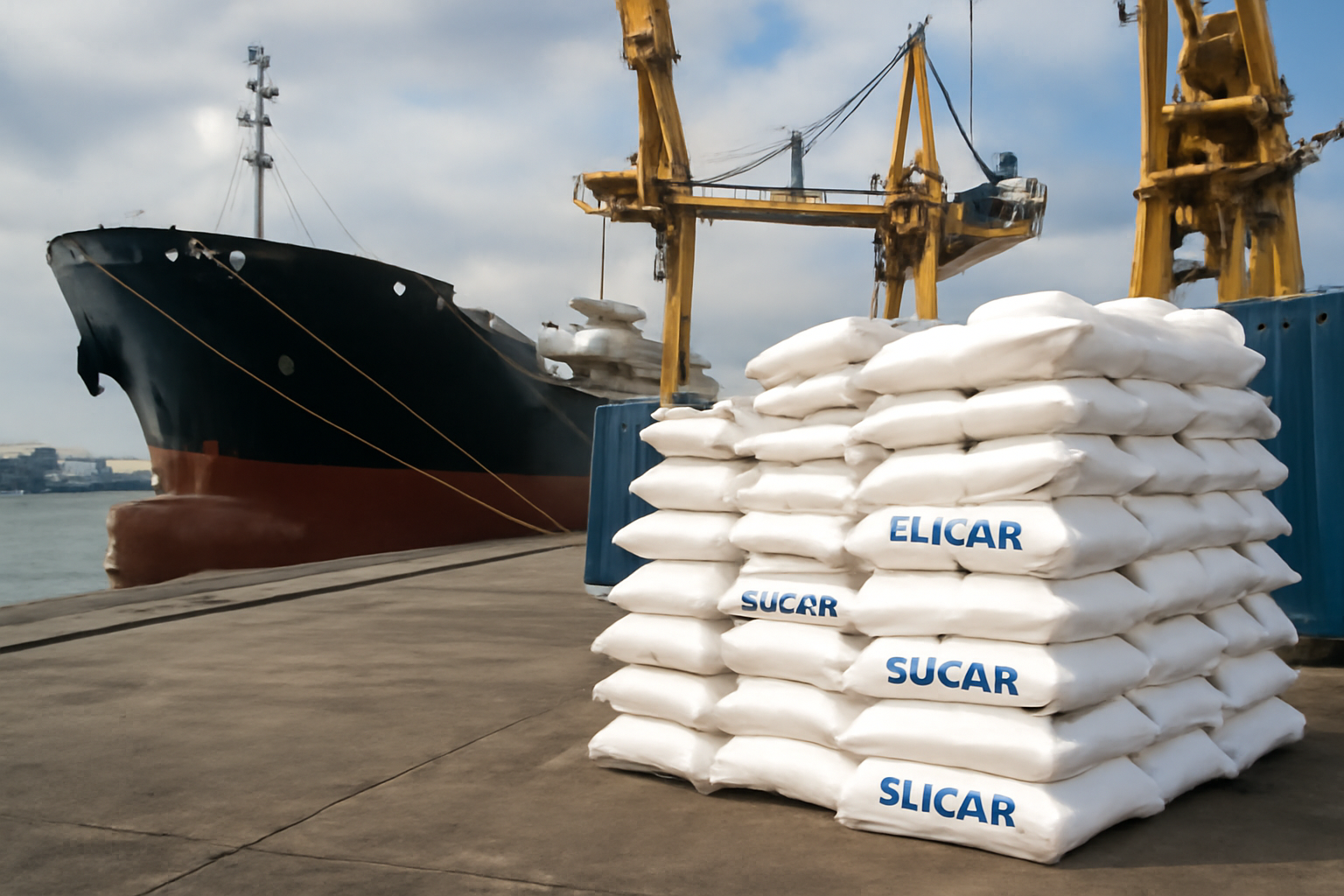
The Philippine government continues to regard sugar imports as a tool for stabilizing the domestic market and prices, rather than as the central element of its sugar policy. Agriculture Secretary Francisco Tiu Laurel Jr. gave that assurance to industry stakeholders, according to the Philippine News Agency.
The distinction is relevant for producers, processors and traders because it presents importation as a discretionary response to market conditions. Under this approach, overseas purchases can be considered when domestic availability or prices require intervention, but they are not intended to serve as the administration’s primary strategy for the industry.
The statement also indicates that the government is trying to balance two competing concerns. Additional imported sugar can increase available supply and help contain price pressure, while poorly timed or excessive purchases can intensify competition for domestic mills and growers. Describing imports as a stabilization instrument signals that their use is expected to depend on conditions in the local market.
No import volume or timetable disclosed
The available government statement did not specify an import volume, purchasing timetable, origin country or price trigger. It also did not announce an immediate shipment. For market participants, the policy therefore preserves the possibility of imports without providing the operational details needed to calculate their direct effect on inventories, procurement or domestic prices.
That uncertainty matters across the sugar supply chain. Growers and millers must assess the risk that additional supply could enter the market, while processors and industrial users need to judge whether domestic availability will be sufficient. Traders, meanwhile, must distinguish between a standing policy option and a confirmed import program.
The absence of a stated volume also limits conclusions about the potential trade impact. A targeted purchase designed to address a temporary shortage would have different consequences from a larger or recurring import program. Until the government announces quantities and timing, the statement is best understood as clarification of policy rather than confirmation of a new trade flow.
Stakeholder assurance defines policy boundaries
Tiu Laurel’s assurance addresses a sensitive point for the domestic industry: whether importation could displace support for local production as the government’s main response to supply and price problems. His formulation keeps imports within the policy toolkit while rejecting their use as the administration’s principal direction.
For industry professionals, implementation will determine the practical effect. Key signals will include whether authorities identify a supply gap, authorize a specific quantity or establish a delivery window. Those decisions would determine how quickly imported sugar could reach the market and which parts of the domestic chain would face the greatest exposure.
For now, the Department of Agriculture’s message is limited but clear. The Philippines is not ruling out sugar imports. It is presenting them as a conditional mechanism for balancing availability and prices, with domestic market stabilization—not importation itself—defined as the objective.