Philippines’ rice import requirement forecast at 5.2 million tonnes in 2026/27
The Philippines is forecast to import 5.2 million tonnes of rice in 2026/27 as consumption reaches 17.65 million tonnes and production slips to 12.25 million tonnes. Vietnam remains its leading supplier, accounting for 40.9% of Vietnamese rice exports.
Supply gap widens as consumption rises
The Philippines is expected to import 5.2 million tonnes of rice in the 2026/27 marketing year as domestic production falls short of growing consumption. Vietbao, citing a commodity bulletin from Vietnam’s Center for Agricultural and Environmental Information and Services, forecasts Philippine rice production at 12.25 million tonnes, down from 12.36 million tonnes in the previous season because of El Niño and higher agricultural input costs.
Consumption is projected at 17.65 million tonnes and is continuing to rise despite high retail rice prices. The difference between the production and consumption forecasts is 5.4 million tonnes, close to the projected import requirement. For importers and regional exporters, the figures point to another year of substantial Philippine demand, although actual purchasing will also depend on inventories and government policy.
El Niño adds downside risk
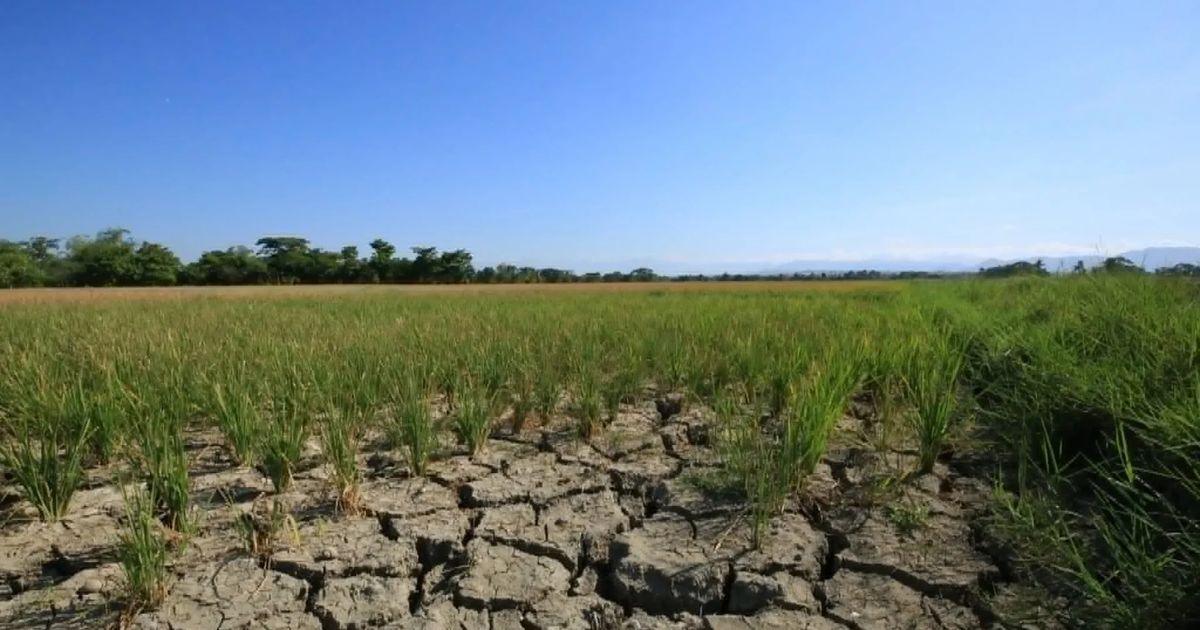
Production risks are becoming more visible in Mindoro, one of the Philippines’ major rice-growing areas. The Tribune reported that El Niño is expected to strengthen late in 2026 and continue into early 2027, raising the threat of water shortages in Oriental Mindoro and Occidental Mindoro, where farming depends heavily on irrigation.
Rice production in Oriental Mindoro fell 5.1% year on year in the first half of 2026. Occidental Mindoro recorded a 6.2% increase, but its average yield declined 16.7%. The Philippine Department of Agriculture estimates that a strong El Niño could cut national rice output by as much as 700,000 tonnes, equivalent to around 3.5% of the country’s annual production target.
Authorities are also watching plant-health risks. The Department of Agriculture in the Negros Island Region has advised farmers to inspect fields frequently because shifts in rainfall and temperature could create favorable conditions for pests and disease. No production losses have yet been recorded, but widespread outbreaks could reduce yields and further tighten domestic supply.
Vietnam retains the leading supplier position
The Philippines was Vietnam’s largest rice market in the first nine months of 2026, taking a 40.9% share of Vietnamese exports. China ranked second with 17.4%, followed by Ghana with 12.7%. Vietnam exported an estimated 6.4 million tonnes worth $3.11 billion during the period, down 6.1% in volume and 10.9% in value from a year earlier.
Vietnam’s average export price declined 5.1% to $484.8 per tonne. The value of shipments to the Philippines fell 16.8% year on year in the first eight months of 2026, while exports to Ghana declined 1.1% and those to China rose 76%. These figures confirm the Philippines’ central role for Vietnamese sellers while showing that supplier revenues remain exposed to weaker prices and changes in Manila’s purchasing policy.
Import policy faces renewed scrutiny
Former Philippine agriculture secretary Leonardo Montemayor has called for a review of the country’s rice import policy. He said policymakers should reassess whether the current system strikes an appropriate balance between affordable consumer prices, farmers’ incomes and protection of domestic production. Imports can stabilize supply and prices, but prolonged reliance on foreign rice may pressure farmgate paddy prices. Any policy change would therefore affect Philippine consumers and growers as well as exporters in Vietnam and Thailand.