Philippines Plans Record Rice Imports of Up to 5 Million Tonnes After El Niño Losses
The Philippines expects strong El Niño conditions to cut domestic rice production by as much as 900,000 tonnes in 2026. Imports could reach a record 5 million tonnes, with Vietnam currently supplying 74% of the country’s purchases.
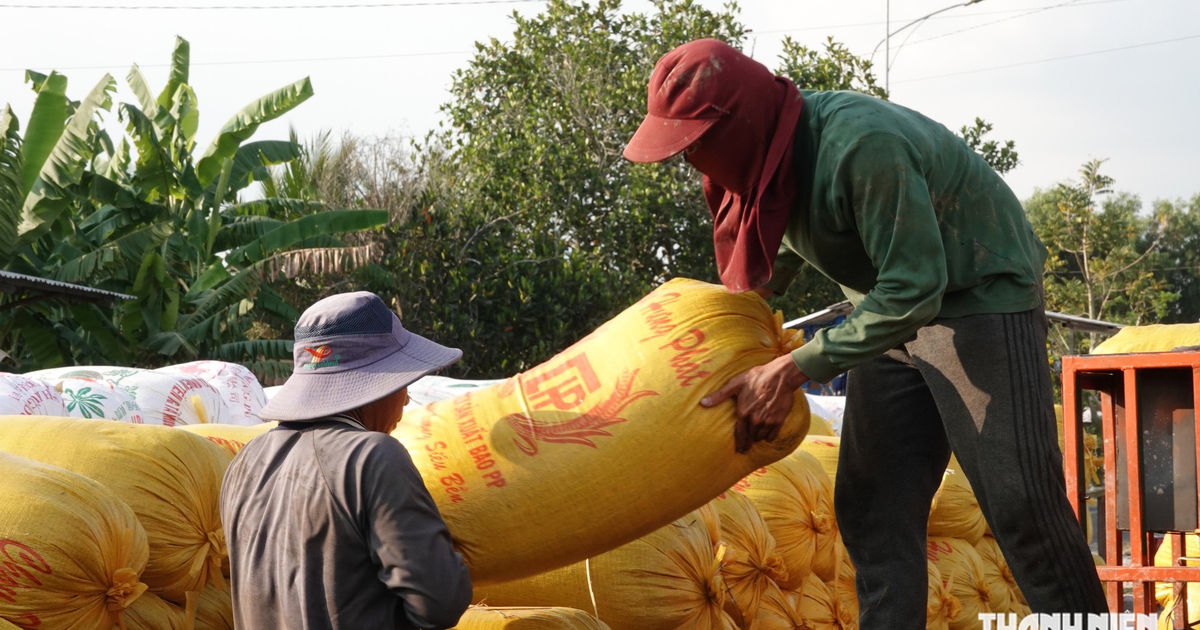
El Niño raises the import requirement
The Philippines could import as much as 5 million tonnes of rice in 2026 after a strong El Niño damages domestic production, Thanh Nien reported, citing Philippine media. Agriculture Secretary Francisco Tiu Laurel told a hearing on September 1 that the weather event could cause losses of up to 900,000 tonnes. The government expects higher imports to cover the shortfall and protect food security.
A 5-million-tonne intake would be a national record, exceeding the previous high of 4.81 million tonnes in 2024. The estimate is close to the US Department of Agriculture’s June 2026 forecast of 5.1-5.2 million tonnes. The outlook for 2027 is less certain: the USDA expects Philippine imports to rise further to 5.3 million tonnes, while Laurel projects a decline to about 4 million tonnes.
Vietnam retains a dominant position
Philippine Bureau of Plant Industry data show that rice imports had already reached 3.46 million tonnes by August 13. That was more than the 3.39 million tonnes imported during all of 2025, indicating that purchasing accelerated well before the end of 2026. Reaching the government’s upper estimate would require roughly another 1.54 million tonnes after August 13.
Vietnam supplied 2.56 million tonnes, equivalent to 74% of Philippine imports during the reported period. Thailand ranked a distant second with 378,404 tonnes, followed by Myanmar with 286,052 tonnes, Pakistan with 107,485 tonnes and Cambodia with 87,802 tonnes. Manila is seeking to diversify procurement among ASEAN suppliers, but the data show that Vietnamese rice remains central to the country’s food-security strategy.
Higher demand meets weaker Vietnamese prices
The prospect of further Philippine purchases offers support to Vietnamese farmers and exporters after rice prices fell markedly in August during the peak summer-autumn harvest. Buyers, particularly those in the Philippines, had delayed orders while waiting for lower prices. A requirement approaching 5 million tonnes could bring deferred demand back to the market, although competition from Thailand, Myanmar, Pakistan and Cambodia will influence how much of the remaining volume goes to Vietnam.
Vietnam’s Ministry of Agriculture and Environment estimates that the country exported more than 6 million tonnes of rice through August 2026, down 5% year on year. Export revenue was nearly $2.9 billion, a decline of 10.7%, while the average export price fell 5.9% to $481.5 per tonne. The sharper fall in revenue than volume reflects weaker pricing. Philippine demand could therefore help absorb harvest supplies and stabilize sales, but the final impact will depend on purchasing schedules, supplier competition and the difference between Manila’s import plan and the USDA forecast.