Farmers' group forecasts sharp drop in Philippine rice output for Q4 2026
The Federation of Free Farmers forecasts a sharp fall in Philippine rice production in the fourth quarter of 2026, blaming excessive imports, high fertilizer costs and El Niño. A weaker harvest could keep the country's import needs elevated.
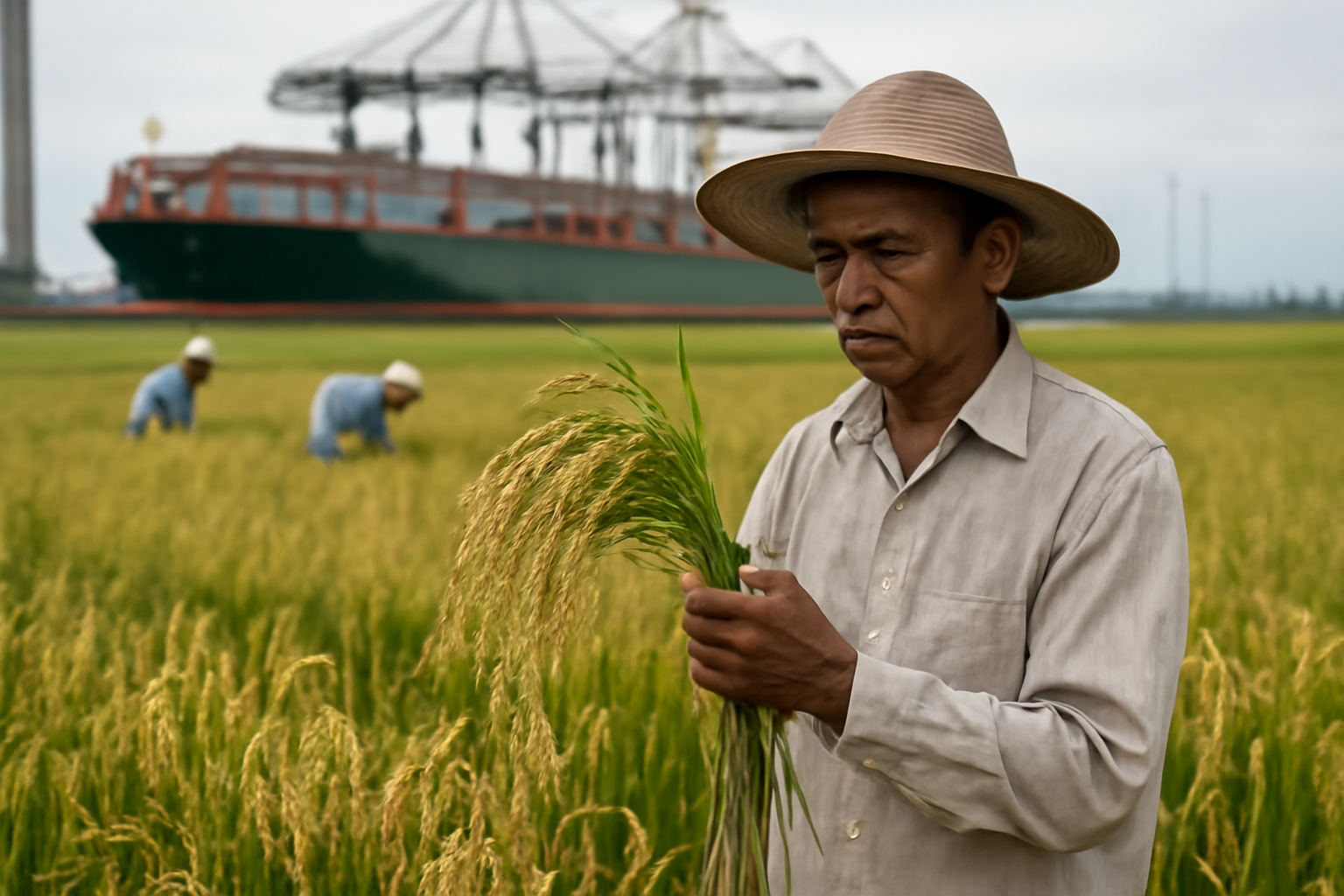
Federation of Free Farmers forecasts Q4 output drop
The Federation of Free Farmers (FFF), a Philippine agricultural producers' group, has forecast a sharp decline in the country's rice production during the fourth quarter of 2026. The group frames the expected fall as the result of overlapping policy, market and climate failures rather than any single cause, pointing to excessive and poorly timed imports, high fertilizer costs and the effects of El Niño.
The fourth quarter is a critical period for Philippine rice supply. It coincides with the main-season harvest that feeds the domestic market through the end of the year and into the next, so a steep drop in output during this window would tighten local availability and raise questions about how much additional grain the country needs to source from abroad.
Imports, fertilizer costs and El Niño
According to the Federation of Free Farmers, three pressures are converging on producers at the same time:
- Excessive and poorly timed imports, which the group says have arrived in volumes and at moments that undercut farmgate prices and discourage farmers from planting.
- High fertilizer costs, which raise the cost of production and squeeze the margins growers earn on each harvest.
- El Niño, whose dry conditions reduce yields and can damage standing crops across affected growing areas.
The group indicates that other factors are also weighing on the sector, but this combination of cheap imported rice, expensive inputs and adverse weather sits at the centre of its outlook. Each pressure reinforces the others: when imported grain holds prices down while fertilizer and other inputs stay expensive, the incentive to invest in the next crop weakens, leaving fields more exposed to whatever the weather brings.
Implications for importers and the market
For the rice trade, the forecast highlights a persistent tension in the Philippines: liberalized imports that hold down consumer and farmgate prices while at the same time discouraging local production. When domestic output falls, the shortfall is typically covered by additional purchases from overseas suppliers, reinforcing the country's position as a major rice importer.
The Federation of Free Farmers' warning suggests that import requirements could stay elevated if the fourth-quarter harvest disappoints. For exporters in traditional supplier markets, a weaker Philippine crop would help keep demand firm and support sales into one of Asia's largest buyers. For domestic producers, the same dynamic risks entrenching the price pressure the group blames for the decline in the first place.
The projection is an outlook from a producers' organization rather than an official government estimate. Actual output will depend on how weather, import policy and input costs evolve over the remainder of the year, and on whether measures are taken to time imports and support planting before the fourth-quarter harvest.