Power Reliability Strains Slow the Philippines’ Shift Away From Coal
Repeated red and yellow alerts in the Visayas are prompting the Philippines to reconsider the pace of its move away from coal. Asia Sentinel reports that aging and unavailable generating units have weakened electricity reliability and renewed attention on near-term generation investment.
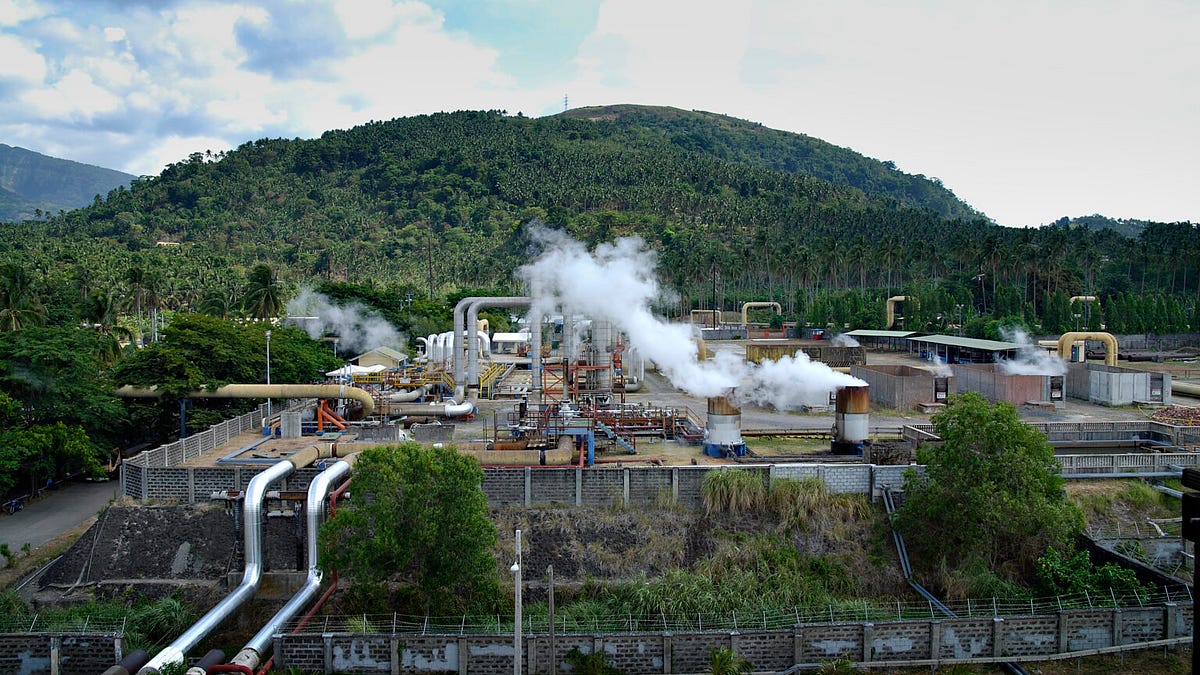
Grid alerts expose reliability pressure
The Philippines is reconsidering how quickly it can move away from coal as deteriorating electricity reliability exposes weaknesses in the country’s generating system. Asia Sentinel reports that the Visayas electrical grid has repeatedly been placed under red and yellow alerts in recent weeks, with aging and unavailable generating units reducing the system’s ability to meet demand reliably.
The alerts make the energy transition an immediate operational issue rather than only a question of long-term policy. A faster withdrawal of dependable capacity becomes harder to defend when existing plants are unavailable and reserve margins are under pressure. For Manila, the central challenge is therefore to preserve electricity supply while pursuing its established objective of reducing coal’s role in the power sector.
Coal retains a near-term reliability role
The reliability problems do not mean that the Philippines has abandoned its effort to move away from coal. They do, however, force policymakers and electricity companies to reconsider the sequence and speed of that effort. If replacement generation cannot provide dependable output when older units fail or undergo maintenance, coal-fired capacity may remain necessary for longer than previously intended.
That prospect creates an uncomfortable investment question. The power system needs sufficient available capacity, but decisions that prolong coal generation can also extend exposure to a fuel the country has spent years trying to reduce. Developers and utilities must weigh the operational value of existing coal plants against their age, availability and ability to support the grid consistently. The current alerts show that installed capacity alone is not enough; generators must also be ready when the system needs them.
Investment priorities come under review
The situation in the Visayas puts plant availability, maintenance and replacement capacity at the center of near-term planning. Restoring unreliable generating units could ease immediate pressure, while new generation would need to demonstrate that it can support the grid during periods of tight supply. Without that dependable replacement, an accelerated coal exit could increase the risk of further alerts and supply disruptions.
For producers, investors and fuel suppliers, the reassessment may extend the commercial relevance of coal-fired assets without resolving their longer-term uncertainty. Electricity users face a different calculation: reliability is essential, but dependence on aging or unavailable units is itself a source of risk. The Philippines’ direction remains shaped by its effort to reduce coal use, yet the Visayas alerts have made the timetable conditional on whether the wider generating fleet can deliver stable power. The immediate test is not simply how much capacity exists, but how much is actually available.