Philippine Meat Demand Could Support US Soybean Exports, Industry Group Says
An industry group expects rising meat consumption in the Philippines to create additional demand for US soybeans. The outlook links livestock-sector growth with greater feed requirements, although the available report provides no volume or timeline.
Meat consumption strengthens the feed outlook
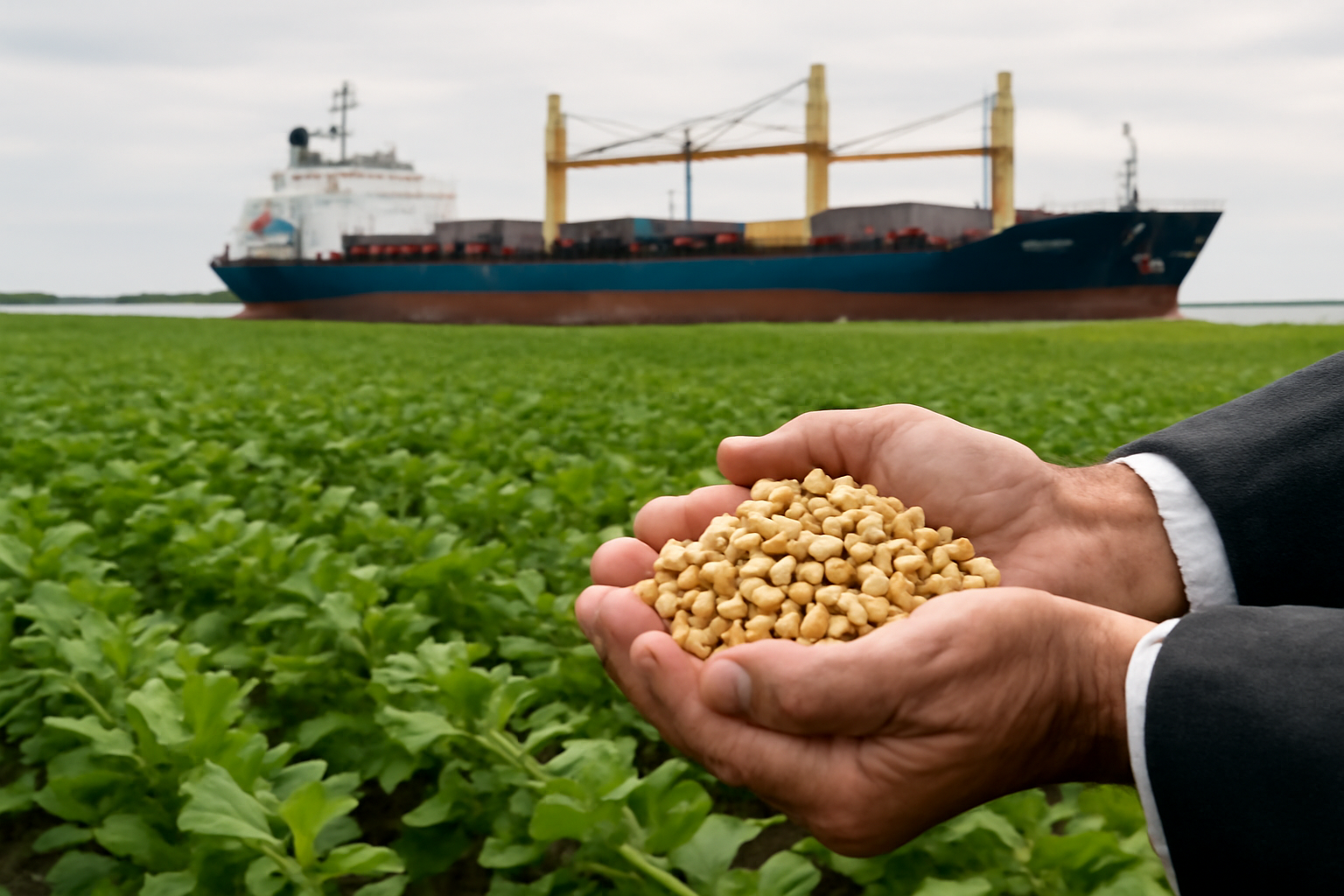
Projected growth in Philippine meat consumption is expected to support US soybean exports, according to an industry group cited in a report from Des Moines. The central argument is that greater meat demand will require more animal feed, creating an additional market for soybeans supplied by the United States.
The report does not provide a projected import volume, growth rate or timetable. It therefore presents a directional outlook rather than a quantified forecast. For producers, processors and traders, the immediate significance lies in the expected connection between Philippine livestock demand and purchases of feed ingredients.
Livestock production will determine actual demand
Higher consumer demand for meat does not automatically translate into soybean imports of a particular size. The effect depends on how Philippine meat suppliers respond, including whether domestic livestock production expands and how feed manufacturers formulate animal diets. Imports of meat could also satisfy part of the additional consumption without producing the same increase in local feed demand.
If Philippine farms raise more animals domestically, feed consumption would rise alongside livestock output. That would create opportunities for US soybean suppliers and for companies involved in crushing, feed manufacturing, storage and distribution. Importers would need to align purchases with production schedules and the requirements of poultry, hog and other livestock operators.
The source material does not identify which meat segment is expected to lead consumption growth. This distinction matters because feed requirements differ across animal categories. Without that breakdown, the strongest conclusion is that expanding meat demand may broaden the overall market for soybean-based feed rather than guarantee uniform growth across every livestock segment.
US suppliers see a potential bilateral trade gain
For the United States, the Philippines represents a prospective outlet for agricultural production tied to feed demand. The industry group’s assessment suggests that consumption trends in the Philippine food market could translate into commercial opportunities for US soybean growers and exporters. The outcome will depend on whether US suppliers can meet the specifications, timing and commercial terms required by Philippine buyers.
For Philippine importers and feed processors, a larger supply relationship with the United States could support procurement as livestock production responds to meat consumption. However, the available report gives no information about prices, freight costs, competing origins, existing import volumes or policy conditions. Those variables will determine whether the projected demand results in completed transactions.
Forecast requires supporting trade data
The outlook establishes a clear demand chain: more meat consumption may encourage additional livestock production, which can increase feed use and soybean purchases. It does not yet establish the scale of that effect. Market participants will need to watch Philippine livestock output, feed production and soybean import orders for evidence that the expected consumption growth is moving through the supply chain.
Until volumes and dates are disclosed, the projection is best treated as an indication of market potential. US exporters gain a possible demand channel, while Philippine feed companies and livestock producers may face greater procurement needs. The commercial impact will become measurable only when consumption expectations are reflected in production plans and import contracts.