Philippine Coconut Authority seeks power to set copra floor prices
The Philippine Coconut Authority is asking lawmakers to authorize it to set minimum buying prices for copra. The proposal aims to protect coconut farmers’ incomes when market prices fall, but its implementation and financing remain subject to legislative decisions.
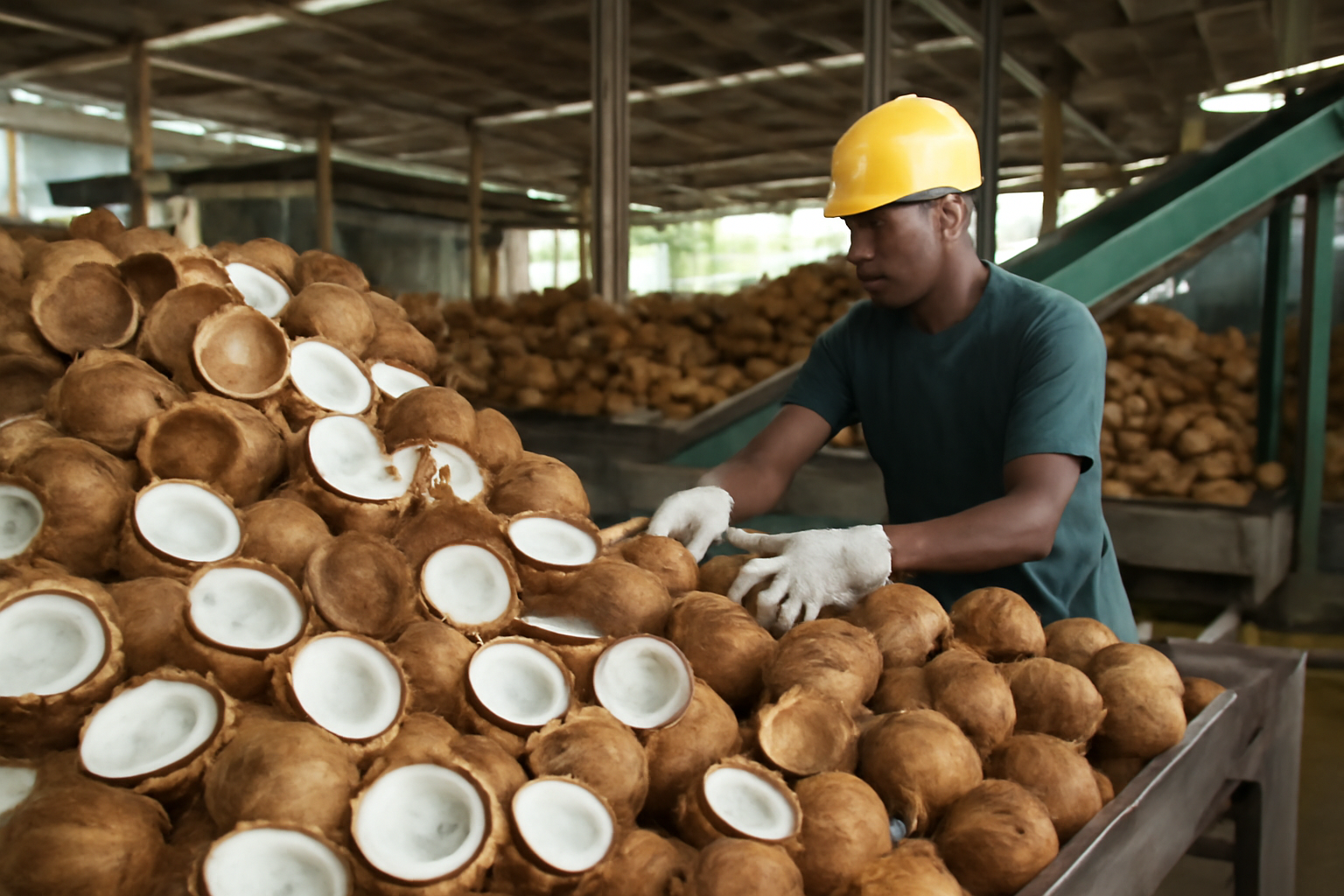
PCA turns to lawmakers over falling copra prices
The Philippine Coconut Authority is seeking support from lawmakers for greater power to establish floor prices for copra, as declining prices reduce the income earned by coconut farmers. The initiative would give the agency a more direct role in determining the minimum amount buyers could pay for copra, the dried coconut meat used mainly to produce coconut oil.
The request puts farmer income protection at the center of the policy debate. When copra prices fall, the decline passes quickly to growers because the commodity is commonly sold through farm-gate buyers and traders. Farmers must still bear the costs of harvesting coconuts, separating the meat and drying it before sale. A lower buying price therefore narrows the return on both agricultural and processing work performed at the farm level.
No proposed floor-price level was specified in the available report. It also did not identify a timetable for legislation, an enforcement system or a funding mechanism. These details will determine whether the measure would operate simply as a legal minimum for private purchases or require government procurement and financial support when market prices fall below the official threshold.
Existing framework leaves a question of authority
The Philippines already has a historical legal framework for minimum coconut prices. Presidential Decree No. 527 states that the National Economic and Development Authority may set minimum prices paid to farmers for copra and other coconut products, either on its own initiative or following a recommendation from the PCA. The decree also refers to minimum export prices for copra, coconut oil and related products when required by the national interest.
The PCA’s appeal to lawmakers indicates that the agency wants clearer or more direct authority of its own. Any legislation would have to define how that power relates to the existing role assigned to the National Economic and Development Authority. It would also need to establish which transactions are covered, how regional and quality differences are treated, and what sanctions or purchasing arrangements support the minimum price.
Those design choices matter to processors and traders as well as farmers. A mandatory buying price above the prevailing market level could raise raw-material costs for coconut oil mills and other processors. If domestic product prices do not adjust by the same amount, margins would move away from buyers and toward growers. If downstream prices rise, the effect could extend to users of coconut oil and other coconut-based inputs.
Market protection will depend on enforcement
A floor price can provide farmers with a reference point in negotiations, particularly when growers have few buyers or need to sell promptly. Its practical value, however, depends on monitoring transactions and ensuring that buyers do not shift costs into deductions for transport, moisture, quality or handling. Clear grading rules would therefore be central to enforcement.
The policy could also affect purchasing behavior. Traders and processors may reduce buying if the mandated price exceeds what they can recover from product sales. Government or cooperative procurement could limit that risk, but such arrangements would require storage, working capital and a clear route to market. None of these operational elements was detailed in the available report.
For coconut farmers, the immediate issue is whether legislation can prevent sharp declines in copra revenue without weakening demand for their output. For processors, the key questions are how the minimum will be calculated and whether it will change with market conditions. Lawmakers will ultimately decide whether the PCA receives the requested power and how the costs and obligations are divided across the coconut supply chain.