Philippine cacao reaches New Zealand in first commercial fermented bean shipment
The Philippines has made its first commercial shipment of fermented cacao beans to New Zealand, according to the Department of Agriculture. The transaction opens a new destination for Philippine cacao and gives local suppliers an opportunity to establish repeat business with New Zealand buyers.
First commercial delivery reaches New Zealand
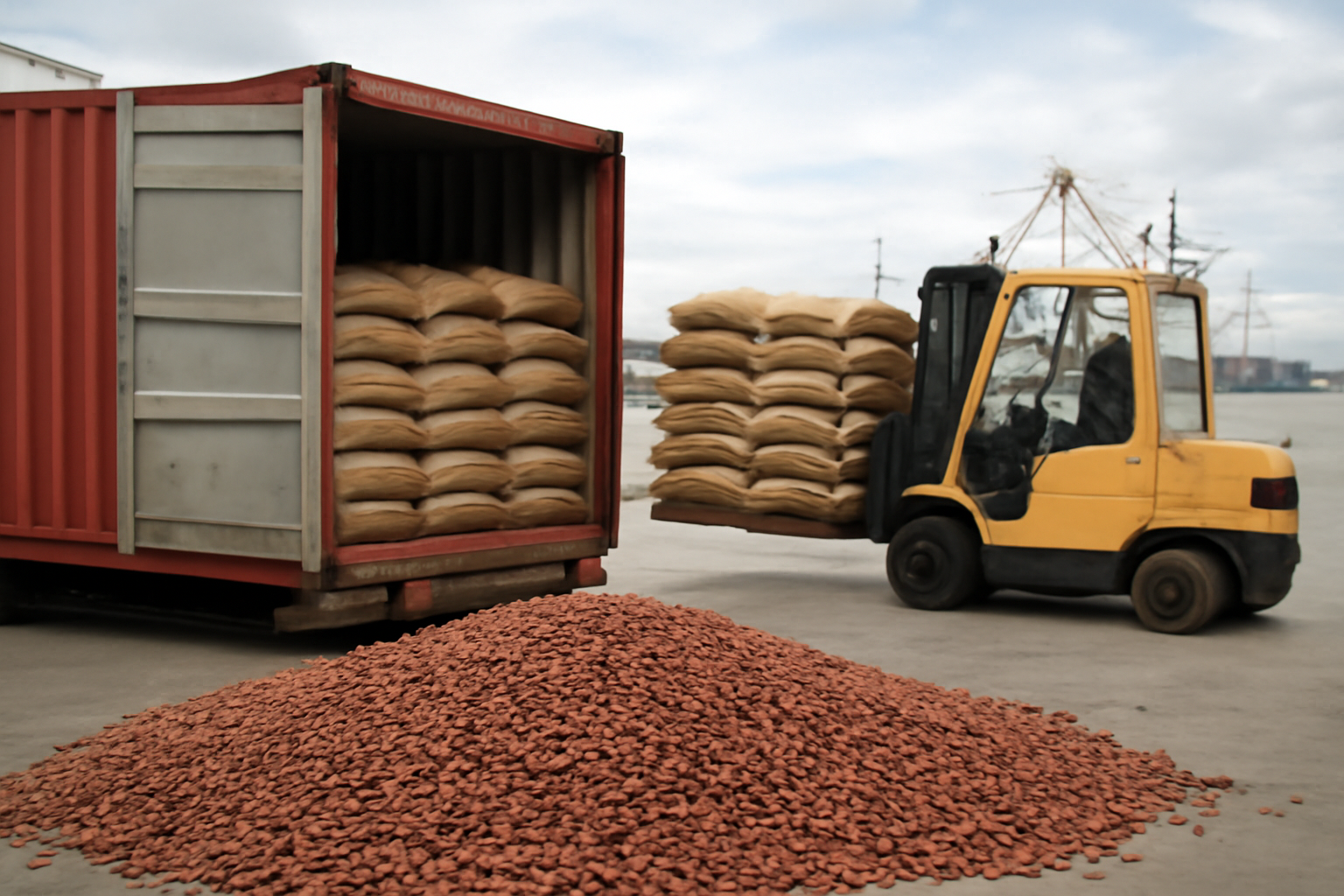
The Philippines has completed its first commercial shipment of fermented cacao beans to New Zealand, according to the Philippine Department of Agriculture. The delivery marks the country’s entry into the New Zealand market for commercially traded fermented beans and represents a milestone for the domestic cacao industry.
The available announcement identifies the shipment as a first commercial transaction but does not provide a complete figure for its weight, the value of the cargo, the exporter, the buyer or the location where the beans were produced. It also does not specify the shipment date or the terms under which the beans entered New Zealand. Those details will be important for assessing the immediate scale of the trade.
Fermentation moves the product beyond raw supply
The product category matters. Fermented cacao beans have undergone an essential post-harvest process before drying and sale. Fermentation helps develop the flavor characteristics required by chocolate makers and other processors, making consistent handling and quality control important for commercial buyers.
For Philippine producers and processors, the shipment therefore tests more than the ability to grow cacao. Suppliers must also manage collection, fermentation, drying, storage and transport to a standard acceptable to an overseas customer. Successful delivery can provide evidence that the supply chain is capable of serving buyers beyond the domestic market.
New Zealand adds a new destination rather than an established large-volume channel, based on the information released. The first shipment alone does not show whether demand will become regular, how Philippine beans will be priced against competing origins or whether future orders will be larger. Repeat purchases will be the clearer measure of commercial traction.
Market access creates an opening for suppliers
A new destination can broaden the customer base available to Philippine cacao businesses. This may be particularly relevant to growers, cooperatives, fermentaries and traders seeking buyers for differentiated beans. It can also give processors a direct signal about the flavor profiles, moisture levels, bean consistency and documentation expected by New Zealand customers.
For importers and chocolate manufacturers in New Zealand, the shipment introduces another potential origin. Buyers will still need dependable volumes, stable quality and predictable logistics before the Philippines can become a routine part of procurement. The commercial importance of the opening will depend on whether both sides can turn the initial delivery into recurring contracts.
Next orders will determine the impact
The Department of Agriculture described the shipment as a boost for the local cacao industry. Its longer-term effect, however, will depend on measurable follow-through: additional exporters qualifying for the market, further orders from New Zealand and sustained compliance with buyer and import requirements.
The transaction gives the Philippine cacao sector a reference shipment in a new country. It does not by itself establish a durable trade flow, but it provides producers and exporters with a practical opportunity to demonstrate quality, negotiate repeat sales and build a commercial record in New Zealand.