Pests and fungal disease threaten sugarcane production in Veracruz
Sugarcane growers in Veracruz have reported crop damage linked to a worm pest and a fungal disease, according to Posta. The threat is raising concern in Mexico’s sugar industry, although the affected area and potential production losses have not been quantified.
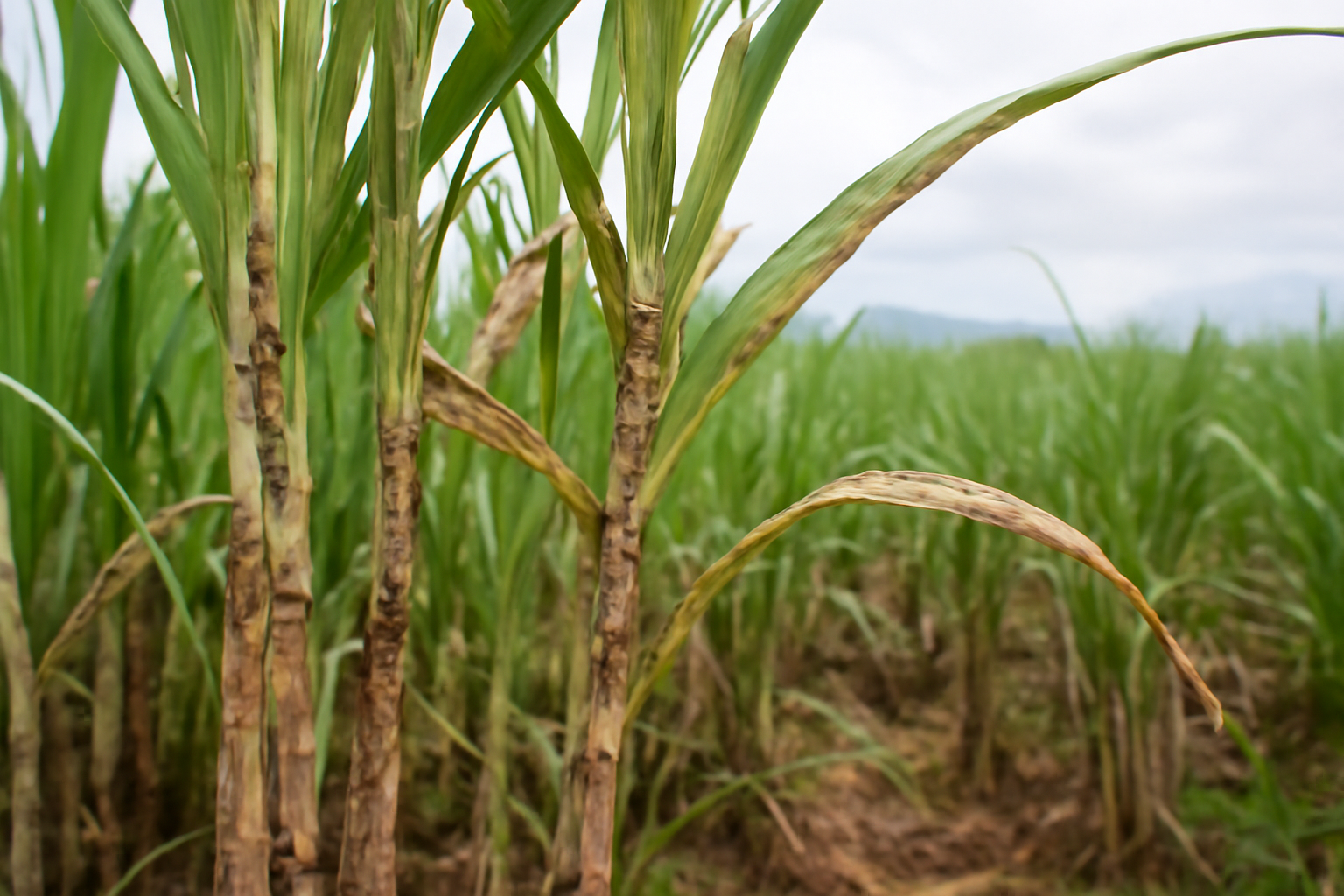
Growers report damage to sugarcane fields
Sugarcane production in the Mexican state of Veracruz is under pressure from a worm pest and a fungal disease, according to Posta. Producers have warned that the organisms are damaging cane crops and could put regional production at risk, prompting concern across Mexico’s sugar industry.
The available report does not specify how many hectares have been affected, which municipalities face the greatest damage or how much cane could be lost. It also provides no estimate of the share of the crop showing symptoms. Those gaps make it impossible to calculate the likely effect on sugar output, but the simultaneous presence of an insect pest and a fungal problem increases uncertainty for growers managing the crop.
Sector faces production uncertainty
The immediate commercial impact will depend on how widely the damage spreads and whether affected cane can still be harvested and processed. For producers, crop deterioration can reduce the volume delivered to mills and weaken the economic return from cultivated land. Processors, meanwhile, need reliable cane availability to plan operations and maintain sugar production.
The warning is relevant beyond individual farms because Veracruz is part of Mexico’s national sugar industry. Damage concentrated in a limited area may remain a local agricultural problem. A broader outbreak, however, could affect cane deliveries and create tighter conditions for mills supplied by the affected production zones.
No official forecast revision, sugar production estimate or supply deficit has been reported in the source material. There is also no confirmed information on control measures, financial assistance or a coordinated response by agricultural authorities. Market participants therefore lack the figures needed to distinguish between manageable field damage and a threat capable of changing the national supply outlook.
Monitoring and control will determine the impact
The next stage will depend on field inspections, identification of the affected areas and the effectiveness of pest and disease controls. Growers will need to determine whether the worm and fungus are confined to particular farms or are spreading through larger cane-growing districts. The timing of any intervention will matter because additional crop damage could reduce the amount of recoverable cane.
For sugar mills and buyers, the key indicators will be expected cane deliveries, harvesting conditions and the quality of the crop entering processing. Traders and industrial sugar users will also watch for any change in national production expectations, but the information currently available does not establish that Mexico faces a sugar shortage or a measurable change in trade requirements.
The reports from Veracruz are therefore an early production warning rather than a quantified supply shock. The risk is real for affected growers, but its importance for Mexico’s wider sugar market cannot be established until authorities or industry organizations publish data on the damaged area, expected yield losses and the progress of containment efforts.