Peru bill would give SENASA sole control over domestic food safety after contaminated produce findings
A bill filed in Peru's Chamber of Deputies would make SENASA the single authority over food safety in the domestic market, replacing a 2008 framework that split enforcement across more than 1,800 municipalities. The text creates a national agricultural traceability system and classifies failure to withdraw contaminated food as a very serious infraction. Official monitoring cited in the bill found 21.75% of plant samples above the legal pesticide limit in 2023.
Peru's Chamber of Deputies is considering a bill that would place all food safety oversight of the domestic market under a single agency, SENASA, ending a fragmented system in force since 2008. The measure, bill 00011-2026-2031-CD, was filed by the Ahora Nación caucus, according to Infobae Perú.
Under Legislative Decree No. 1062, the Food Safety Law approved in 2008, enforcement in the domestic market was assigned to more than 1,800 municipalities, while SENASA — the sanitary authority attached to the Ministry of Agrarian Development and Irrigation (MIDAGRI) — concentrated on exports. The bill would give SENASA sole and direct authority over food safety surveillance nationwide.
The monitoring data behind the proposal
Official figures cited in the bill show that 21.75% of plant samples analysed by SENASA in 2023 exceeded the legal pesticide limit. Paprika recorded 97.8% of samples classified as unfit, followed by bell pepper at 71.6%, celery at 69.7% and tomato at 62.8%.
Independent reports cited in the same document found that up to 44.7% of vegetables sold in traditional markets were unfit for human consumption, while supermarket produce carried pesticide residues well above permitted levels. Senator Jaime Delgado told Infobae Perú that tomato, bell pepper, celery, spring onion and strawberry were the most affected products, with at least half of the samples failing.
Delgado said the problem is not limited to banned pesticides. “We have concentrated on agrochemicals because of the monitoring, but food safety covers much more: there are also heavy metals and the presence of antibiotics. All of that is a risk,” he said.
Traceability from field to shelf
The initiative, backed by farm organisations including Conveagro, would create a national agricultural traceability system obliging producers, transporters and traders to register the origin and route of every food item from the field to the point of sale. The mechanism is designed to identify the distribution chain of a contaminated product quickly and pull it from the market as soon as a risk is detected.
Sanctions would also be tightened. Improper use of pesticides and failure to withdraw contaminated food would be classified as “very serious” infractions, carrying the highest fines set out in the law. Control results would have to be published, and Indecopi would issue public alerts to consumers on any risk detected in food on sale.
Enforcement capacity is the constraint
Modern retail is not where most of the volume sits. Delgado said supermarkets “are already starting to demand more traceability”, but their sales represent only 10% of the national total; most fresh food continues to move through traditional markets. He described the task as enormous.
“What has to be done is permanent, random control; it is not possible to analyse every batch, but samples can be taken and whoever fails can be sanctioned immediately. The first one caught faces proceedings and the products are incinerated. That sends a clear signal,” the senator said.
He added that SENASA cannot absorb the expanded powers without technical and budgetary backing, and that the agency needs more resources and institutional strengthening. Under the current arrangement, he said, official monitoring could detect food with high levels of contaminants, including in supermarkets, and those products stayed on sale because there was no way to immobilise or withdraw the batches.
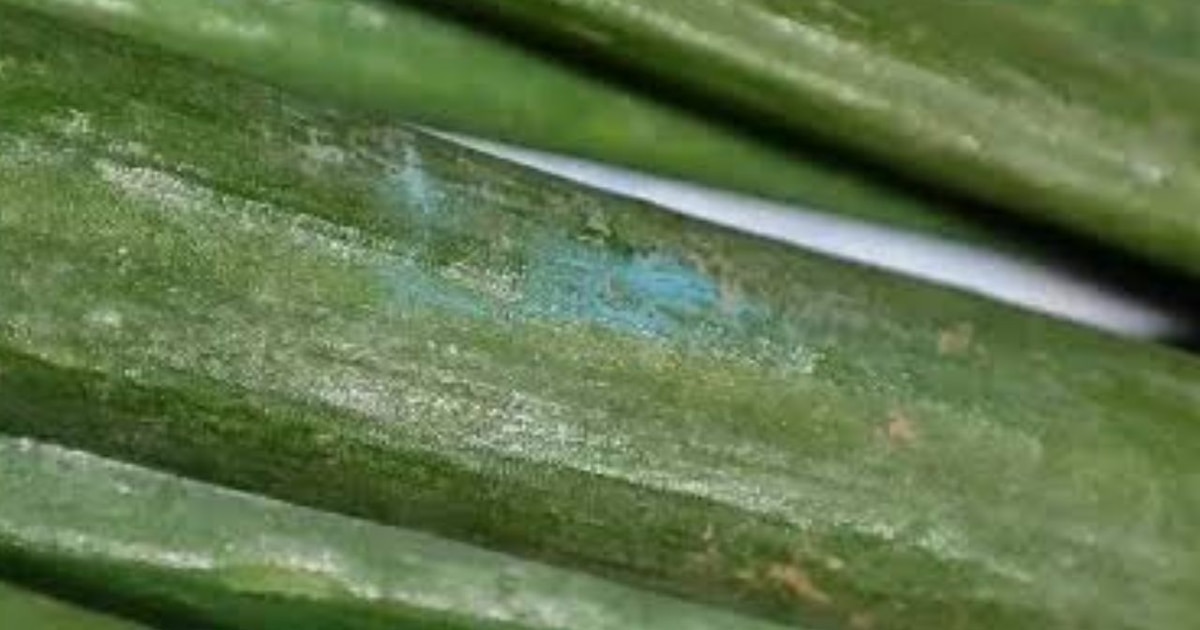
Infobae Perú reported that spring onion with green stains, tomatoes with residues and contaminated celery had been a regular part of supply in Peruvian supermarkets and markets for years, without recalls or warnings to consumers. Delgado summarised the previous approach in a single line: “That law protected the safety of exports, but for the domestic market, let them eat whatever.”