Peru becomes ninth-largest global exporter of preserved olives as 2025 shipments hit $100.8 million
Peruvian olive exports reached US$100.8 million on 56,300 tonnes in 2025, the highest in five years, according to Midagri figures reported by agraria.pe. Peru ranked ninth worldwide and second in Latin America after Mexico in prepared or preserved olives, with production of 305,300 tonnes concentrated in Tacna.
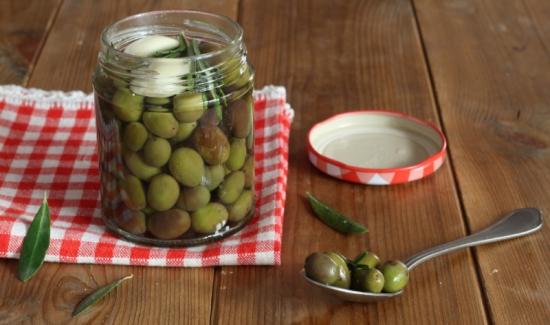
Peru was the world's ninth-largest exporter of prepared or preserved olives in 2025 and the second-largest supplier in Latin America after Mexico, according to figures from the Ministry of Agrarian Development and Irrigation (Midagri) published by agraria.pe. Olive shipments reached US$100.8 million on 56,300 tonnes last year, the highest figures recorded in the past five years.
Output concentrated in Tacna
National olive production totalled 305,300 tonnes in 2025. Tacna accounted for 251,900 tonnes, or 82.5% of the national total, followed by Arequipa with 46,500 tonnes and Ica with 5,300 tonnes. The three regions together cover almost the entire Peruvian crop, leaving the export programme tied to growing conditions in a narrow stretch of the country's southern coast.
Peru's position in the olive trade rests on processing rather than oil. The ninth-place ranking cited by Midagri refers specifically to prepared or preserved olives, the segment in which Peruvian packers compete with Mediterranean suppliers on volume and price rather than on branded product.
First-half 2026 shipments at US$30.8 million
In the product profile "Perfil de Producto: Aceitunas", prepared by Agromercado, Midagri reported that Peruvian exports of olives and olive-derived products totalled US$30.8 million on 16,900 tonnes in the first half of 2026.
Prepared or preserved olives led the mix with US$23.9 million, or 77.7% of total export value. Provisionally preserved olives followed with US$4.4 million, and olive oil accounted for US$2.4 million. The distribution shows how little of the country's olive export income currently comes from the oil segment.
Brazil, Chile and the United States take 84% of value
Brazil was the leading destination in the first half of 2026 with purchases of US$15.2 million, ahead of Chile and the United States at US$5.3 million each. Together the three markets absorbed 84% of the value exported during the period.
That concentration leaves Peruvian exporters exposed to demand and pricing conditions in a small group of buyers, with Brazil alone taking close to three times the value shipped to either Chile or the United States.
Midagri points to higher-value formats
The study identifies opportunities to raise export value through product upgrading rather than volume growth. The formats listed include:
- pitted olives
- stuffed olives
- seasoned olives and ready-to-eat presentations
- extra virgin olive oils with differentiated attributes
Midagri also recommends diversifying destination markets, differentiating supply through quality, origin and sustainability attributes, and strengthening coordination between growers, processing companies and exporters. Those measures target the gap between Peru's standing as a volume supplier of preserved olives and the higher unit values available in packaged and oil segments.