Peru Declared Free of Highly Pathogenic Avian Influenza, Targets Poultry and Pork Market Openings
Midagri says Peru has been declared free of highly pathogenic avian influenza after its sanitary self-declaration was published by the World Organisation for Animal Health. The status underpins talks to open Singapore, Ecuador and Bolivia to Peruvian poultry, while final authorisation for pork and poultry shipments to China remains pending after 2025 inspections. Poultry accounts for 24.3% of the Gross Value of Agricultural Production, at about 1.94 million tonnes of meat a year.
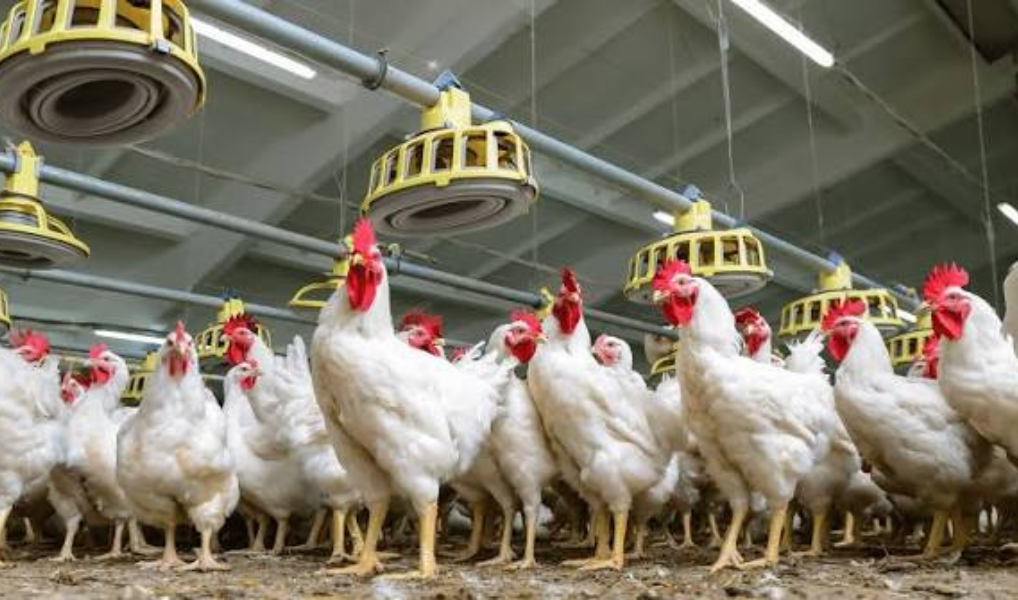
Peru has been declared free of highly pathogenic avian influenza, the Ministry of Agrarian Development and Irrigation (Midagri) announced, after the country's sanitary self-declaration was published by the World Organisation for Animal Health (WOAH). The status is the formal precondition for a round of market-opening negotiations covering poultry and pork meat, in a sector that accounts for close to a quarter of the value of Peruvian agriculture.
How the status was secured
Midagri attributes the recognition to epidemiological surveillance, prevention and control work carried out by the National Agrarian Health Service (Senasa) in coordination with producers and poultry industry associations. Self-declarations of disease freedom are filed by member countries with WOAH and published by the organisation. They do not replace the individual import authorisations that each destination grants, but they are the baseline document that trading partners and their veterinary services work from when assessing risk.
Agrarian Development Minister Marco Vinelli said the achievement “guarantees that the food the population consumes is healthy and strengthens the confidence of international markets”, according to diarioelnoticiero.com. Midagri presented the certification as a condition for sustaining confidence in domestic production and for ensuring the continuity of existing exports, indicating that the immediate function of the status is defensive as much as it is commercial.
The weight of poultry in Peruvian agriculture
Figures published by Midagri put the sector's share of the Gross Value of Agricultural Production at 24.3%, while the announcement headline cites close to 25% of national agricultural activity. The reported physical volumes are:
- approximately 1.94 million tonnes of poultry meat a year;
- more than 850 million birds moved;
- average consumption of 55 kilos of chicken per person per year.
That consumption level makes chicken the most demanded protein in the country, which shapes how much output is realistically available for export. A domestic market absorbing 55 kilos per head annually leaves exports as an incremental channel for specific cuts, by-products and surplus volumes rather than a redirection of the production base.
Markets opened and markets pending
Peru shipped poultry meat to Haiti, Gabon and Panama during 2025, according to Midagri. For the current year the authorities are pursuing access to Singapore, Ecuador and Bolivia. Ecuador and Bolivia are land-border destinations, where road logistics and short transit times favour chilled and frozen poultry; Singapore is a fully import-dependent buyer applying strict sanitary conditions on meat suppliers, where a WOAH-published freedom status forms part of the entry requirement set.
The larger pending item is China. Midagri said final authorisation to export pork and poultry meat to the Chinese market is awaited following inspections carried out in 2025. Chinese access is granted through registration of specific establishments, which means the national sanitary status resolves only part of the process: individual slaughterhouses and processing plants still have to be listed before shipments can begin.
What to watch
Three variables will determine whether the declaration converts into trade volumes: the pace at which Singapore, Ecuador and Bolivia complete their own sanitary reviews; the timing of Chinese plant registrations for pork and poultry; and Peru's ability to hold the avian-influenza-free status through subsequent migratory bird seasons, since a confirmed outbreak would require a new self-declaration process and would suspend the access being built now. For producers, the status is the licence to negotiate; the commercial outcome depends on what follows.