Pernambuco’s Coaf targets 80 million liters of ethanol and cachaça in 2026/27
Coaf has started its 2026/27 sugarcane season in Pernambuco with plans to crush more than 900,000 tonnes of cane. The cooperative expects to produce 50 million liters of ethanol and 30 million liters of cachaça while retaining the option to switch to sugar.
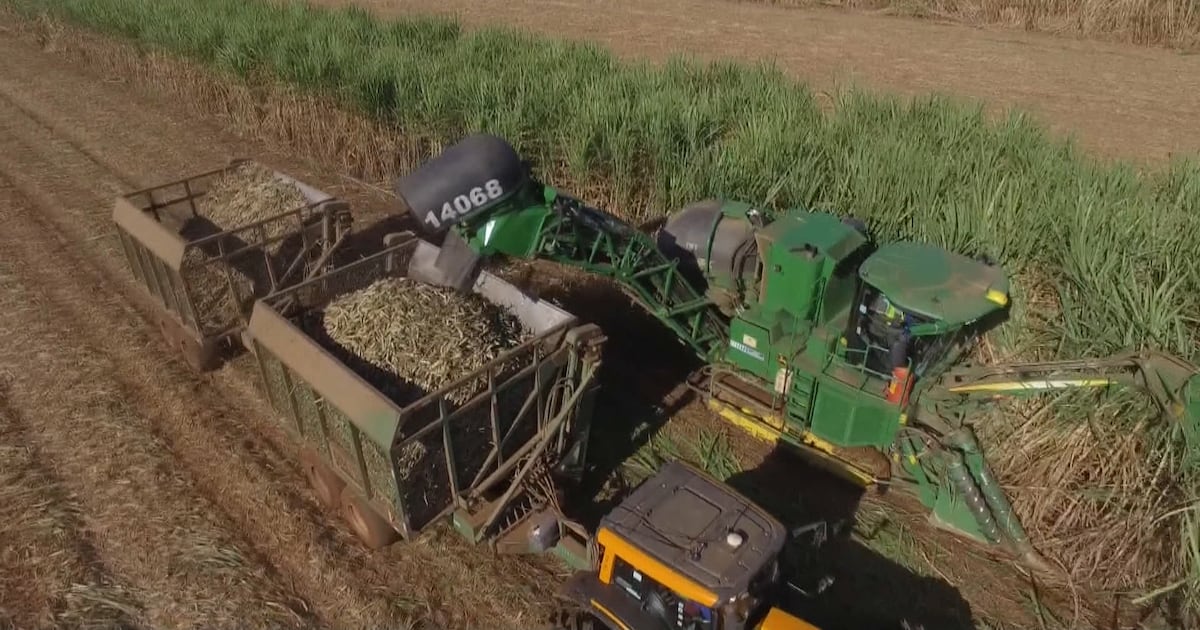
Coaf resumes operations after five-month break
Coaf, the Cooperativa Agroindustrial dos Fornecedores de Cana de Pernambuco, has started the 2026/27 sugarcane season at its mill in the rural area of Tibaúba, in Pernambuco’s Mata Norte region. The facility returned to operation after a five-month off-season in which its equipment underwent maintenance and operational testing, according to R7.
The cooperative expects the new processing campaign to run for six months. Its plan is to crush more than 900,000 tonnes of sugarcane and allocate the feedstock primarily to ethanol and cachaça rather than sugar.
Output plan favors renewable fuel
Coaf is targeting production of 50 million liters of ethanol and 30 million liters of cachaça during the season, for combined output of 80 million liters. The figures indicate that ethanol will represent the larger share of planned liquid production as the mill seeks to benefit from demand for renewable fuels.
Emílio Celso, the mill’s vice-president, told R7 that alcohol and cachaça are the current priorities. The decision is not irreversible: Coaf can move into sugar production if market conditions make that option more attractive. This flexibility allows the cooperative to respond to changes in relative prices and demand during the six-month campaign.
The allocation matters for cane suppliers because ethanol, cachaça and sugar compete for the same agricultural feedstock. Coaf’s initial production mix therefore channels most of the planned cane crush toward domestic fuel and beverage markets, while preserving sugar as an alternative outlet.
Fertilizer costs remain a pressure point
The new season begins after several difficult years for the northeastern sugarcane industry. R7 reported that lower prices paid for cane and rising production costs hurt results in the previous harvest, prompting independent producers in Brazil’s Northeast to use government support programs.
Fertilizer is one of the industry’s main cost pressures and accounts for about 40% of agricultural expenses, according to the report. Celso said state support for purchasing inputs was important because, without the fertilizer provided through that assistance, growers would have struggled to buy the material and the following harvest could have been compromised.
For producers supplying Coaf, the mill’s restart secures a processing outlet for more than 900,000 tonnes of projected cane over the coming months. For fuel and beverage buyers, the campaign is expected to add 50 million liters of ethanol and 30 million liters of cachaça. Actual feedstock allocation may still change if sugar becomes more profitable, making relative market returns a central factor in the mill’s decisions throughout the 2026/27 season.