PepsiCo opens Riyadh R&D center as local production reaches 95% in Saudi Arabia
PepsiCo has opened a regional research and development center in Riyadh as it moves more product development into Saudi Arabia. The company says 95% of its products sold in the kingdom are made locally, while all potatoes used in its Saudi products come from domestic farms.
Product development moves to Riyadh
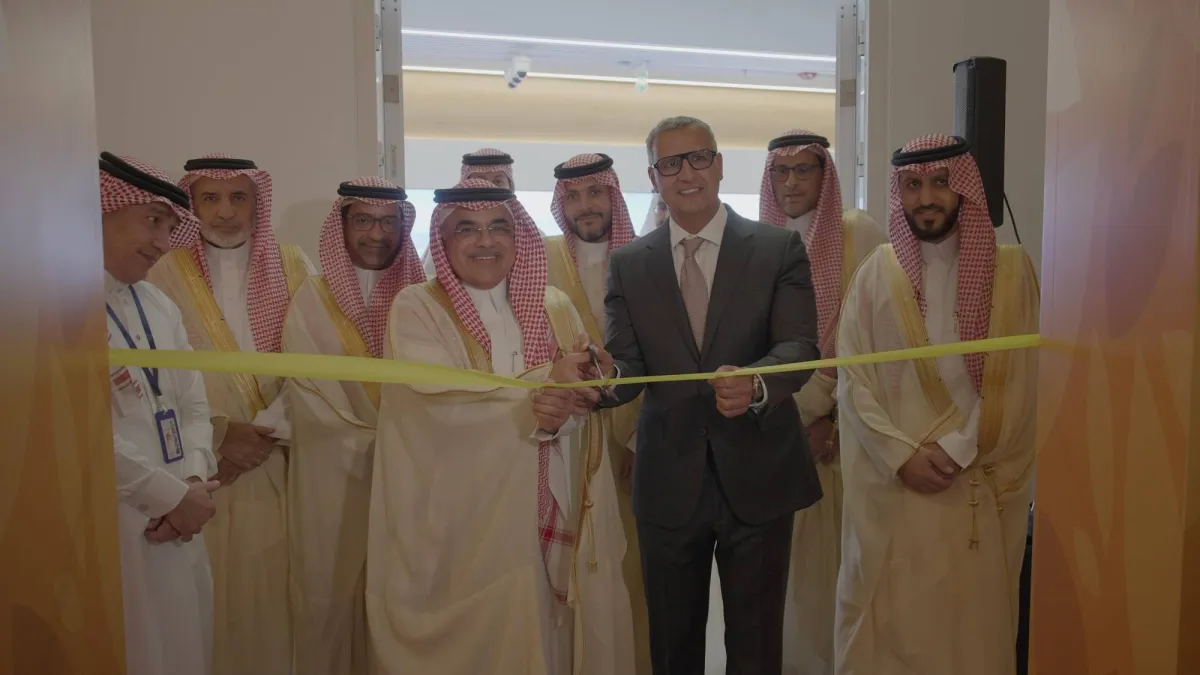
PepsiCo has opened a regional research and development center at the King Abdullah Financial District in Riyadh, expanding its production footprint in Saudi Arabia beyond manufacturing and agricultural sourcing. The facility will move part of the company’s product-development work into the kingdom, with a focus on Saudi consumer preferences and locally available ingredients.
Ahmed El Sheikh, PepsiCo’s president of foods for the Middle East, North Africa and Pakistan, said research and development for the Saudi market had previously been conducted outside the country. The company now intends to handle more of the process locally, from the initial product idea through execution, according to Asharq Al-Awsat.
Local manufacturing and potato sourcing
PepsiCo says 95% of its products in Saudi Arabia are manufactured domestically. It also sources 100% of the potatoes used in its Saudi products from local farms. The figures show that localization already extends into both processing and agricultural inputs, rather than being limited to final packaging or distribution.
The company is seeking to increase local content throughout its production chain, from farming to packaging materials. For Saudi growers and food processors, this approach creates a direct link between multinational manufacturing demand and domestic agricultural output. For PepsiCo, sourcing close to its factories can reduce exposure to disruptions affecting ingredients supplied from overseas plants.
New products and Saudi ingredients
The Riyadh center will work on more than potato-based products. One concept under development is a date-based snack, which would use a commodity closely associated with Saudi agriculture. PepsiCo is also working with a Saudi chef on a locally flavored product that it plans to introduce around the kingdom’s National Day, subject to testing and an assessment of consumer expectations.
Saudi Deputy Minister of Industry and Mineral Resources Khalil bin Salamah described domestic potato cultivation as a localization success achieved through cooperation with government bodies while taking water resources into account. He called for wider use of ingredients from different Saudi regions, arguing that their distinct products and tastes could support goods for consumers across the kingdom.
Supply-chain resilience supports localization
The expansion comes as Saudi Arabia’s food industry seeks to localize production lines, ingredients and research activities. Bin Salamah said local inputs can support business continuity when geopolitical tensions disrupt global supply chains, particularly for companies dependent on ingredients manufactured abroad.
No investment value or additional production capacity was disclosed for the new center. Its immediate significance lies instead in bringing product formulation, testing and adaptation closer to Saudi farms, factories and consumers. The combination of 95% local manufacturing, fully domestic potato sourcing and Riyadh-based development gives PepsiCo a broader local operating base while supporting the kingdom’s food-industry localization policy.