Parallel Imports and Supermarket Expansion Put Pressure on Alcohol Prices in Israel
Israeli supermarket chains are expanding their alcohol ranges as parallel imports increase price competition and premium choice. Established brands remain dominant, but retailers and importers are gaining influence over prices, availability and consumer habits.
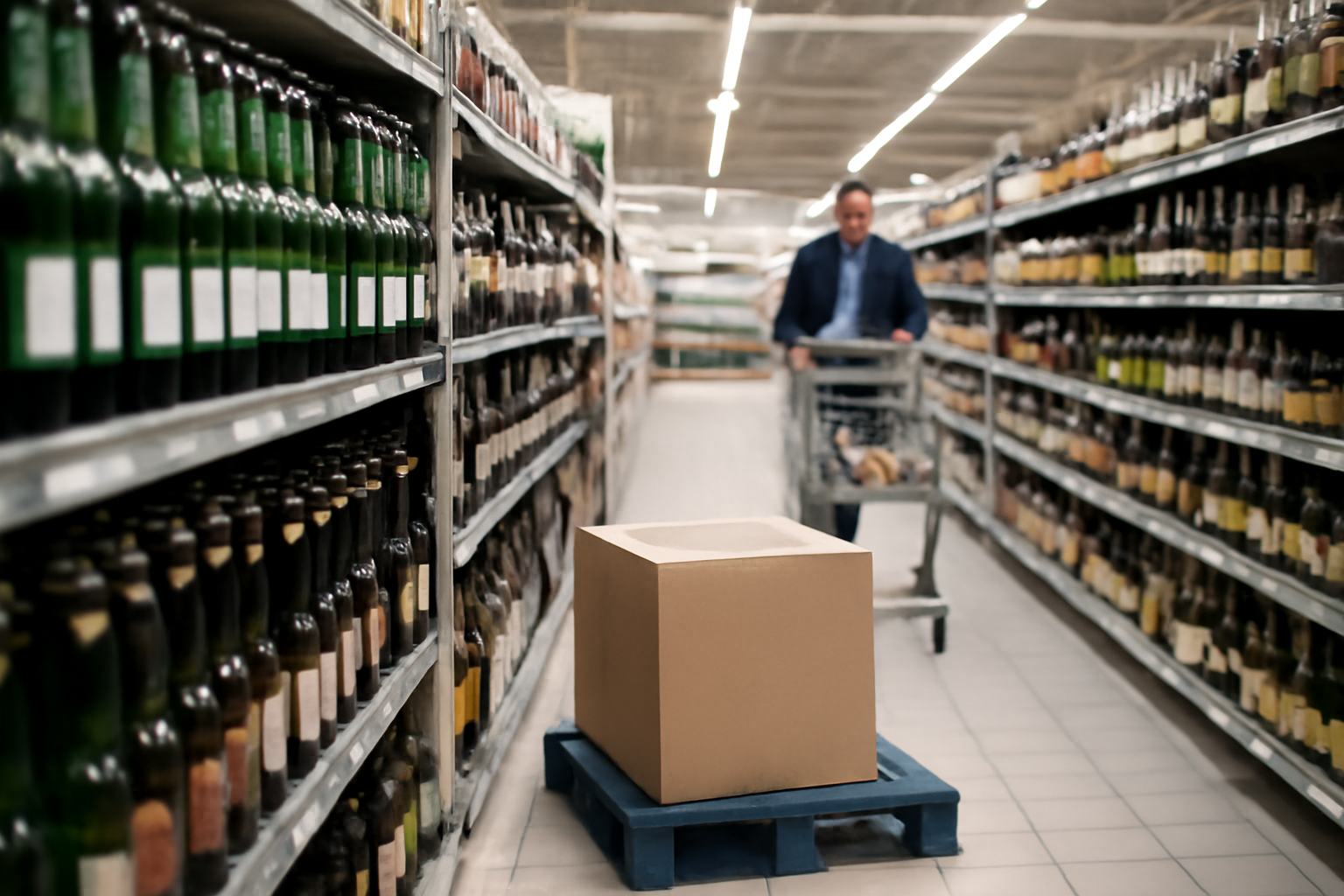
Supermarkets expand their alcohol offer
Israel’s alcohol market is becoming more competitive as supermarket chains allocate more shelf space to wine, beer and spirits. The expansion gives shoppers access to a broader range of products through stores where they already buy food and household goods. It also turns alcohol into a more visible part of routine retail competition, with chains able to compare brands, formats and prices within the same aisle.
Some bottles are now offered for tens of shekels less, highlighting the effect that alternative sourcing and stronger retail competition can have on consumer prices. The available material does not identify particular products or provide a comprehensive price comparison, but the direction is clear: supermarkets are using a wider alcohol selection to compete for spending, while buyers have more opportunities to compare established labels with less familiar alternatives.
Parallel imports weaken pricing control
Parallel imports are central to this change. These products are genuine branded goods brought into Israel through channels outside the manufacturer’s official local distribution arrangement. Their arrival creates competition between supply routes for the same or comparable products and can limit the ability of an exclusive importer or distributor to maintain a large price difference across retailers.
For traders, the opportunity depends on securing inventory abroad at a price that remains attractive after transport, compliance and retail costs. For supermarkets, parallel imports can support promotions and differentiate their shelves from competing chains. Consumers may benefit from lower prices, although availability can be less consistent when purchases depend on opportunistic supply rather than a continuous agreement with a brand owner.
The pressure is not confined to entry-level products. The premium selection is also broadening, giving consumers more choice among higher-priced bottles. This matters because premium alcohol has traditionally depended heavily on brand recognition, presentation and established distribution. A wider assortment allows retailers to test whether shoppers will switch when another product offers a stronger combination of price, provenance and perceived quality.
Established brands retain an advantage
Despite the growth of parallel imports and supermarket ranges, longstanding brands still control much of the market. Their position is supported by consumer familiarity and an established presence in retail. A lower-priced alternative does not automatically displace a label that buyers know, particularly in categories where alcohol is purchased for gifts, celebrations or social occasions and the brand itself carries meaning.
This leaves importers and retailers competing on more than price. Shelf position, assortment, product information and reliable availability can influence which bottles consumers consider. Supermarkets with larger selections may shape demand by deciding which premium products receive visibility and which imported alternatives appear beside established brands.
Competition shifts toward consumer habits
The next phase of competition will concern who shapes drinking and purchasing habits. Official distributors retain relationships with established brands, while parallel importers can introduce price pressure and broaden supply. Supermarkets connect both routes directly with a large consumer base and can use their shelves to make unfamiliar products easier to discover.
For market participants, the main question is whether cheaper parallel supply becomes a stable feature or remains dependent on individual purchasing opportunities. Established brands are not losing their position overnight, but they face a retail environment in which price comparisons are easier and premium choice is wider. Producers, importers and distributors will therefore need to defend not only their price points but also their relevance on increasingly crowded supermarket shelves.