Paraiba Opens First Goat-Milk Powder Line as Governments Commit R$6 Million Order
The Coopac cooperative in Casserengue, Paraiba, began operating the state's first goat-milk powder processing line this month. State and federal governments announced a R$6 million purchase of the product, split equally between them, while total investment in the line was R$5 million. The expanded plant will process up to 45,000 litres a day.
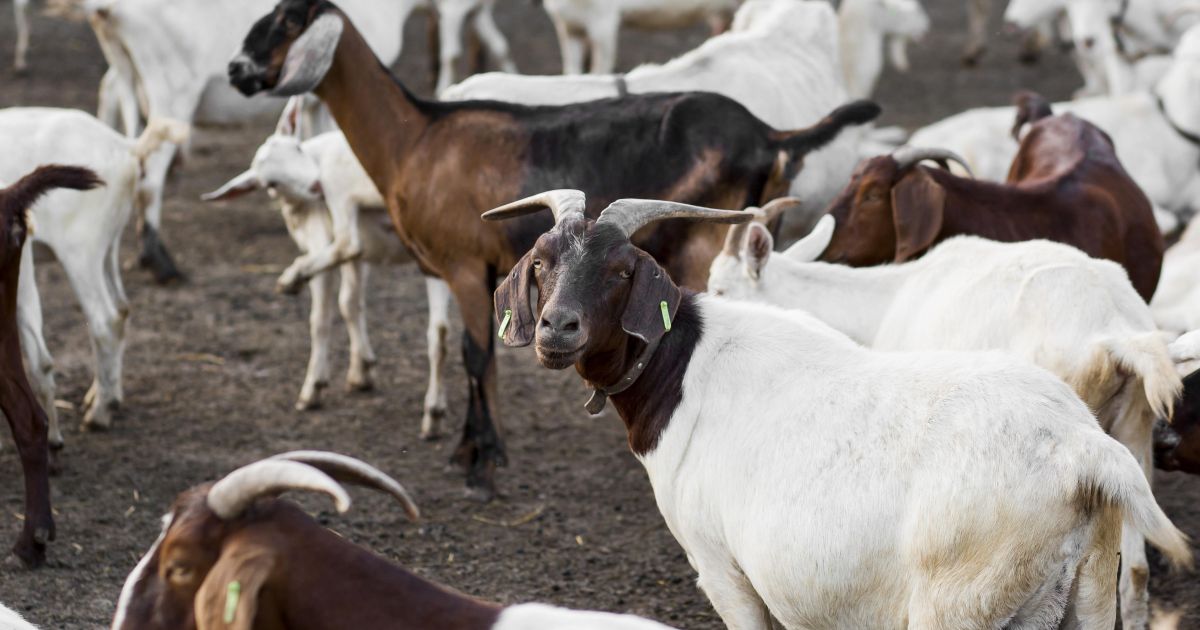
Family farmers in the Brazilian state of Paraiba have moved a step up the goat dairy chain. From this month, the Coopac cooperative, based at the Che Guevara settlement in the municipality of Casserengue, is operating the first goat-milk powder processing line in the state, and the output already has a guaranteed market, CNN Brasil reported.
An order that exceeds the investment
Last week the state and federal governments announced the acquisition of R$6 million of the product, split equally between Paraiba and the federal government, according to CNN Brasil. The purchase will be executed through the Programa de Aquisicao de Alimentos, the public food procurement programme, and the milk will be directed to families covered by food security policies.
The contracted business is worth more than the line itself. Total investment in the goat-milk powder unit was R$5 million, CNN Brasil reported. For a small rural processor that sequence reverses the usual risk profile of a dairy start-up: the plant enters service with demand already committed, rather than searching for buyers while fixed costs accumulate month after month.
Capacity rises from 50,000 litres a month to 45,000 a day
The new industrial unit expands Nutrile, the agro-industrial plant inaugurated in June 2023, which processes 50,000 litres of milk per month and produces goat cheeses and yogurts. The structure has been expanded and will process up to 45,000 litres a day from this month, according to CNN Brasil.
The comparison indicates the order of magnitude involved rather than immediate throughput. Installed capacity is a ceiling, not a collection forecast: how much of it is used depends on how much raw milk the cooperative can draw from its member herds, which is the binding constraint for most small-scale dairy projects in the region.
Powder as an answer to seasonality
Powder addresses a critical bottleneck in goat farming: seasonality. In periods of higher supply, the fresh-product market cannot absorb everything that is produced. Industrial drying allows the surplus to be stored, stabilises producer income and keeps raw milk collection running throughout the year, CNN Brasil reported. Cheeses and yogurts have short shelf lives and require continuous cold-chain distribution, while powder can be warehoused and shipped on a schedule set by the buyer, which is what makes an institutional contract of this type workable for a cooperative of this size.
From 30 producers to a target of more than 1,800
According to the Movimento Economico portal, the cooperative began activities in 2019 with around 30 producers. Formalised in 2021, it grew to 390 members across more than 14 municipalities and became a yogurt supplier to school meal programmes in more than 20 cities.
Cooperative management expects to reach a network of more than 1,800 producers as the plant gains scale, CNN Brasil reported. That would be more than four times the current membership base, and it implies a parallel expansion of herds and of milk collection logistics across the municipalities already served.
Both of the cooperative's main outlets are public: school feeding for fresh products and the joint state-federal purchase for powder. That secures volume during the start-up phase, but it also ties plant utilisation to procurement cycles that are renewed periodically. Building a commercial channel for goat-milk powder alongside institutional demand is the next step if the expanded capacity is to be filled.