Pará beef processors face China access challenge after $745.2 million in exports
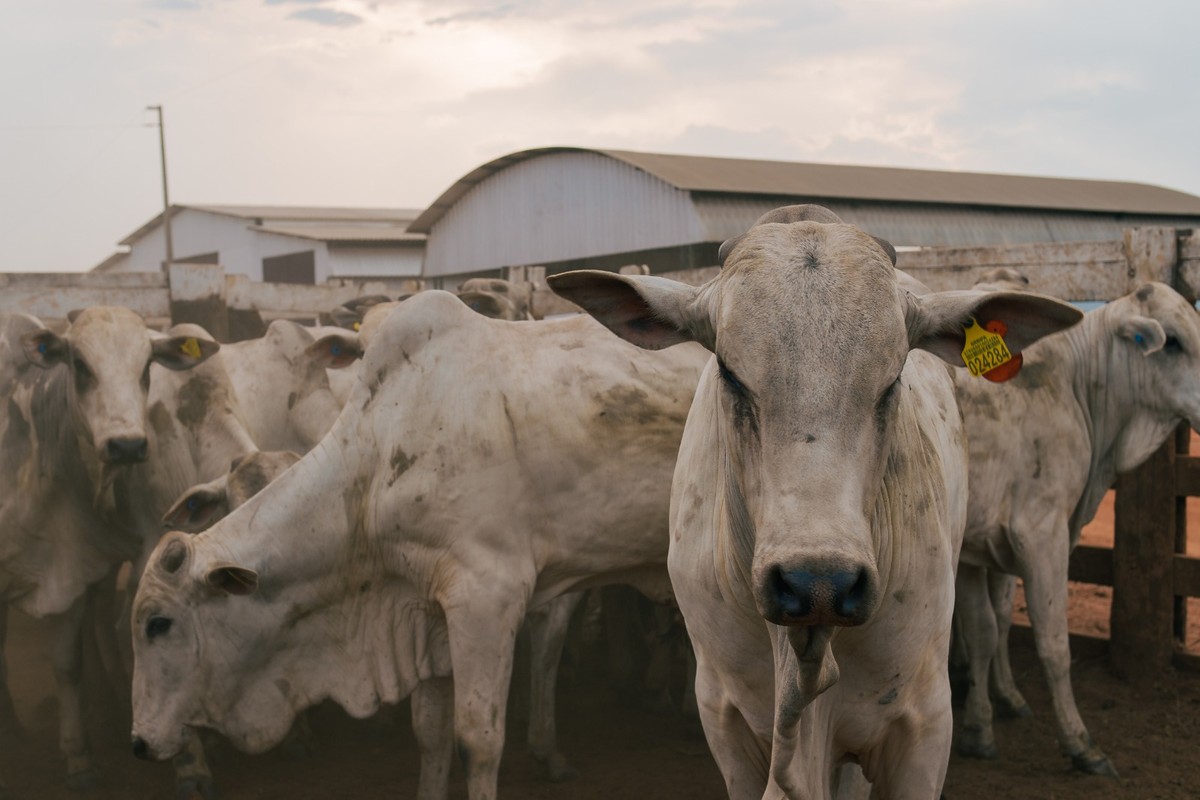
Slaughterhouses in Pará exported 130,000 tonnes of beef worth $745.2 million from January through July 2026, according to Agrostat data compiled by Globo Rural. Despite that volume, the absence of direct access to China remains a major commercial challenge for the state’s processors.
Exports reach $745.2 million in seven months
Beef processors in Pará exported 130,000 tonnes between January and July 2026, generating revenue of $745.2 million, according to Agrostat data compiled by Globo Rural. The figures demonstrate that the northern Brazilian state already has a substantial presence in international beef markets, even without direct access to China.
The reported volume implies an average export value of about $5,732 per tonne over the seven-month period. This is a calculation based on the published volume and revenue, rather than a quoted market price. The actual value of individual shipments may vary according to product type, specification, destination and contract terms.
China remains the central market-access challenge
Globo Rural identifies the lack of exports to China as a particularly difficult issue for slaughterhouses in Pará. For processors, access to a major destination can influence plant utilization, purchasing capacity and the range of customers available for different beef products. Without direct Chinese access, companies must continue placing their output in other approved markets.
The commercial effect is not limited to total sales. A broader destination portfolio can give processors more options when allocating cuts and negotiating contracts. A narrower portfolio may increase dependence on existing buyers and leave exporters with less flexibility if demand or prices weaken in one of their accessible markets.
The Agrostat figures nevertheless show that the restriction has not prevented Pará from building a sizeable export business. Revenue of $745.2 million from 130,000 tonnes indicates that processors found international demand during the first seven months of 2026. The strategic question is whether access to China could complement those established channels rather than merely replace them.
Implications for processors and cattle suppliers
For slaughterhouses, the immediate priority is maintaining sales in markets that already accept their products while pursuing the conditions required for Chinese access. Any change would matter not only to exporters but also to cattle suppliers, because the number and diversity of viable outlets can affect procurement competition and processors’ willingness to expand throughput.
Investors and traders will need to distinguish between Pará’s current export performance and its unrealized access to China. The state is not entering global trade from a standing start: it shipped 130,000 tonnes in seven months. The challenge is to add another major commercial route without disrupting the destinations that produced $745.2 million in revenue.
Until direct access is secured, Pará processors remain exposed to the demand conditions and negotiating power of their existing markets. Continued export volumes would demonstrate resilience, while any future Chinese opening could widen the customer base. The timing and terms of such access are not specified in the available source material, so its potential impact cannot yet be quantified.