Panama TR4 raises containment costs for Queensland’s A$580 million banana industry
Queensland banana growers are increasing biosecurity efforts against Panama disease Tropical Race 4, an incurable soil-borne fungus. Far North Queensland produces 95% of Australia’s bananas, making containment critical to domestic supply.
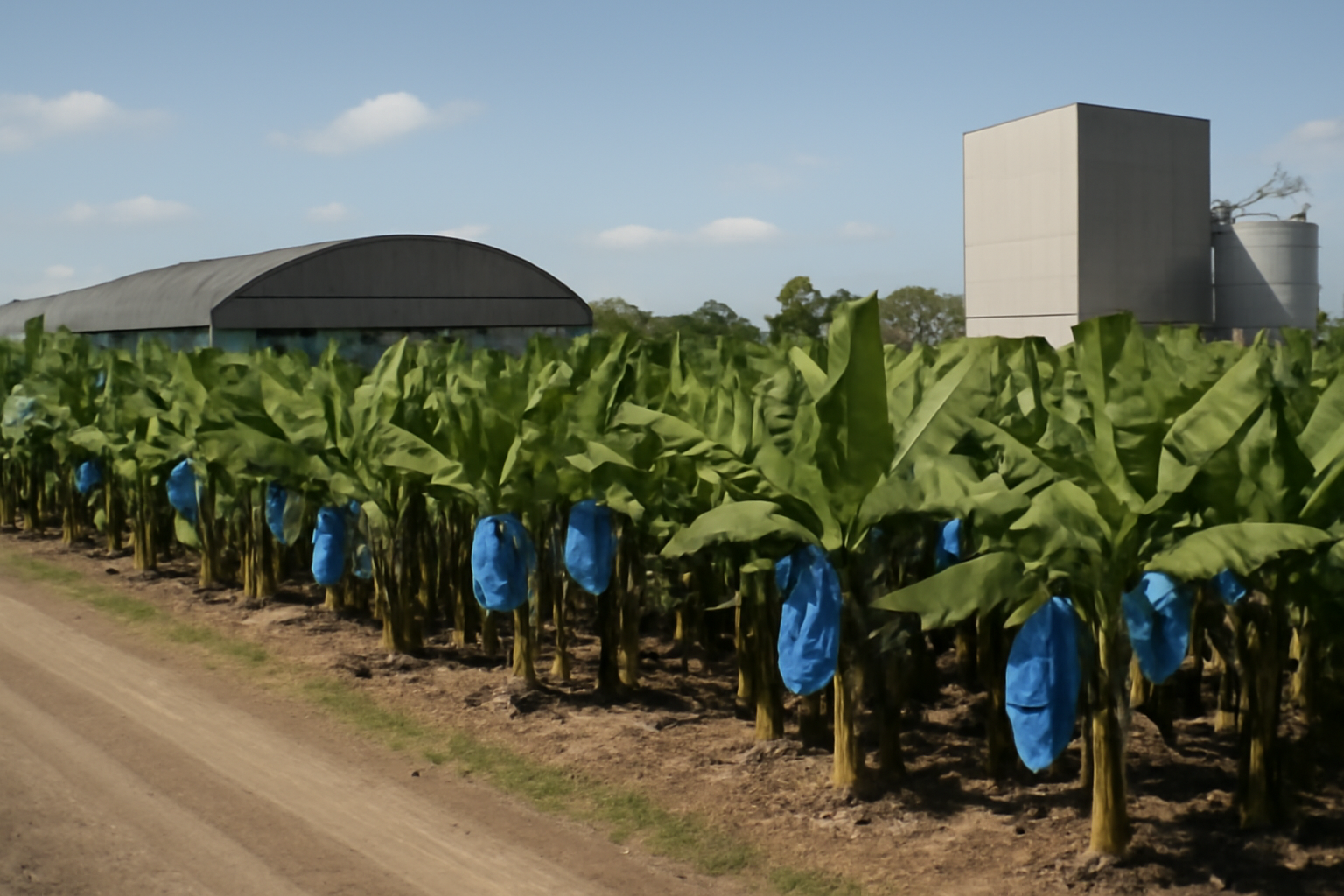
An incurable disease in Australia’s main production region
Queensland’s banana industry, valued at A$580 million, faces continuing pressure from Panama disease Tropical Race 4, or TR4. The soil-borne fungus attacks banana plants through their roots, blocks the movement of water and nutrients and eventually causes infected plants to wilt and die. Farmers in Far North Queensland are carrying mounting costs as they strengthen controls intended to keep contaminated soil, water and plant material away from unaffected properties.
The geographic concentration of production makes the threat particularly significant. According to Business Queensland, Far North Queensland grows 95% of Australia’s bananas. The region includes the Kennedy, Tully, Innisfail, Atherton Tableland, Mossman, Lakeland and Hopevale production areas. A wider outbreak could therefore affect farm output, regional employment and the availability of bananas in the Australian market.
Containment depends on controlling movement
TR4 was first detected near Darwin in 1997 and largely decimated commercial banana production in the Northern Territory, Business Queensland reports. It was identified in Queensland’s Tully Valley in 2015 and has since been contained to a small number of properties. The disease is present in Asia, Africa, the Middle East, Oceania and South America.
There is no cure, and the fungus cannot be eradicated from contaminated land. Its spores can remain in soil for decades without banana plants, while infection may remain undetected until external symptoms appear. The period between infection and visible disease can range from several months to one year or more, depending on environmental conditions and the age of the plant. That delay creates a risk that contaminated soil or water will move before an outbreak is recognised.
People and machinery are among the main transmission risks. Vehicles, tools, footwear, animals, heavy rainfall and floods can also carry contaminated soil or water. Business Queensland advises farms to establish production zones, exchange footwear, install foot baths, clean and disinfect vehicles and machinery, and provide clean access roads. Suspected plants must be reported within 24 hours. Commercial farms with confirmed infections must comply with property restrictions and Queensland’s mandatory code of practice.
Cavendish exposure puts domestic supply at risk
TR4 can infect most banana varieties, including Cavendish, Lady Finger and Ducasse. Cavendish is Australia’s main commercial variety. Infected plants are unlikely to produce a marketable bunch, although the fungus does not infect the fruit itself and bananas remain safe to eat. Yield losses arise because the plant’s vascular system becomes blocked and the plant eventually dies.
Management of TR4 has increasingly shifted toward the industry. The Queensland Government conducted surveillance after the 2015 detection, with its last surveillance round taking place in the 2022–2023 financial year. From 1 July 2023, the Australian Banana Growers’ Council took the lead through its Grower Support biosecurity program and now carries out routine surveillance. Eligible producers can apply for sustainability loans from the Queensland Rural and Industry Development Authority to finance biosecurity controls. For growers, however, the long survival of the fungus means cleaning, access management and monitoring are recurring operating requirements rather than temporary outbreak expenses.