Panama pig farmers seek export access as record slaughter strains domestic market
Panama slaughtered a record 696,268 pigs in 2025, while weakening purchasing power and competition from other proteins limited domestic demand. Producers say lower farm-gate prices have not reached consumers and want export plants certified to open alternative markets.
Record slaughter outpaces market absorption
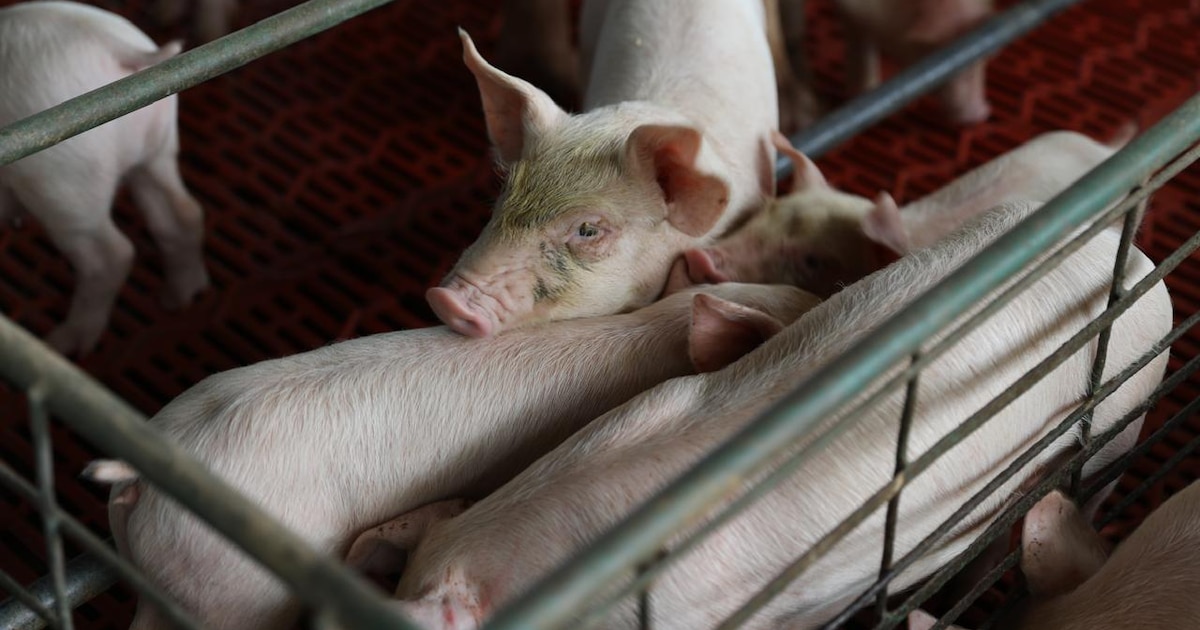
Panama’s pig industry is struggling to place expanding output after slaughter reached a record 696,268 head in 2025, up 5.0% from the previous year. The figures, reported by Infobae from indicators supplied by the National Association of Pig Farmers, or Anapor, show that domestic production continued to grow even as returns to farmers weakened.
Anapor describes the pace of expansion as extraordinary, but says supply has risen faster than the purchasing power of Panamanian consumers. Competition from other animal proteins has also intensified. The result is a domestic imbalance in which more pigs are reaching the market without generating higher income for the farms that raised them.
The pressure is notable because Panama already has the highest per-capita pork consumption in Central America. Annual consumption stands at 20.8 kilograms per person, placing the country among the larger pork-consuming markets in the Americas. Even that comparatively strong appetite has not been sufficient to absorb growing availability on terms that producers consider sustainable.
Farm prices fall while retail prices hold
Infobae reported that Panama produced 58,428 tonnes of pork domestically during 2025. Imports of pork products added another 32,828 tonnes to market supply. These figures cover different categories and should not be treated as a direct production balance, but together they illustrate the substantial volume moving through the national pork chain.
Anapor says prices paid to pig farmers fell significantly during the final part of the year. The association argues that the decline was not passed through to supermarket shelves: consumers continued to pay prices equal to, or higher than, those recorded in previous months. Farmers therefore received less for each animal without a corresponding reduction in the final price of pork.
The producers’ group identifies this gap between farm-gate and retail prices as the core of the dispute. In its assessment, the problem is not simply how much pork Panama produces or imports, but how prices are set and transmitted between farms, processors, distributors and retailers. The current mechanism is squeezing producer margins while doing little to stimulate additional consumption through lower shelf prices.
Export certification becomes industry priority
Producers are asking the Panamanian government to resume measures intended to open international markets. Their immediate request is the certification of export plants. Without the necessary sanitary approval, Anapor says, Panama cannot sell its pork to overseas buyers, leaving farms heavily dependent on domestic demand.
Access to foreign markets could give processors and farmers an outlet for output that the local market cannot absorb at acceptable prices. Anapor argues that exporting surplus production would ease pressure at the farm end of the supply chain and diversify sales destinations. The source material does not identify prospective importing countries, expected export volumes or a timetable for plant certification.
Certification alone would not resolve the association’s concerns about domestic price formation. Export competitiveness would also depend on sanitary compliance, processing capacity, logistics and the prices available in potential destination markets. Still, market access would give the industry an alternative to selling its full output through a domestic chain in which producers say the benefits of lower farm prices are not reaching consumers.
The 2025 indicators therefore present a mixed picture: record slaughter, strong per-capita consumption and a large combined presence of locally produced and imported pork products, alongside falling returns for farmers. For producers, the immediate challenge is not raising more pigs but finding additional buyers and securing a clearer transmission of prices through the domestic chain.