Panama authorizes Argentine citrus imports, opening a new market for Tucumán lemons
Panama has authorized imports of Argentine lemons, oranges and grapefruit, creating a new outlet for the country’s citrus exporters. The decision is particularly relevant to Tucumán, whose lemon complex generated $74.7 million FOB in the first quarter of 2026.
New destination for Argentine citrus
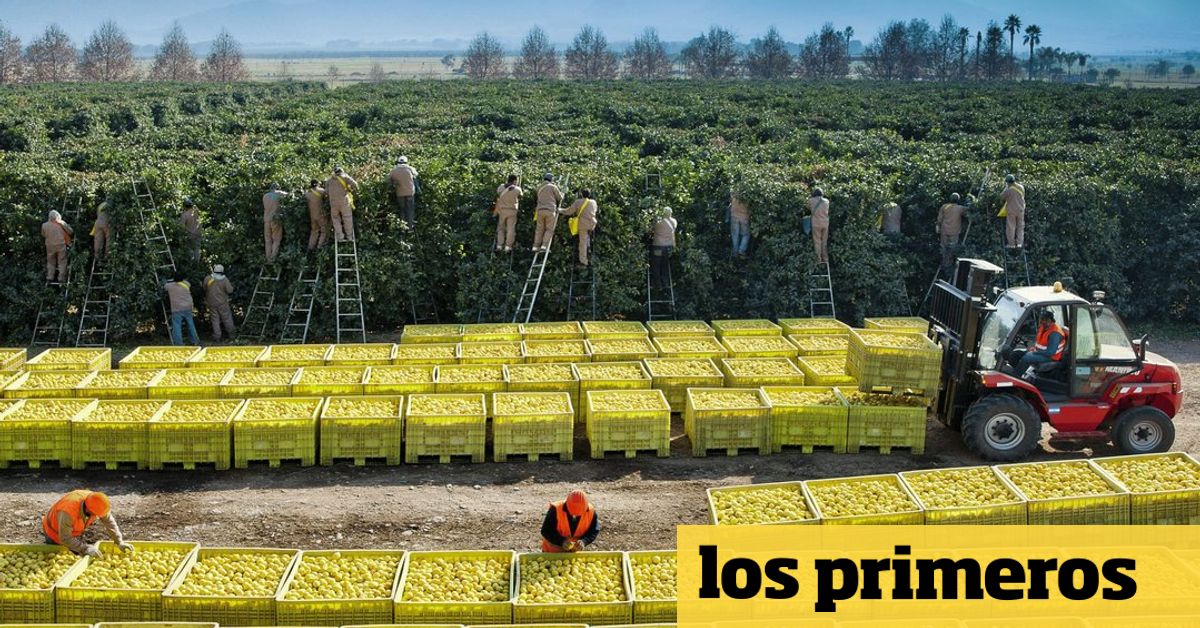
Panama has granted sanitary authorization for imports of lemons, oranges and grapefruit from Argentina, creating another commercial option for the country’s citrus exporters. The measure is especially significant for Tucumán, Argentina’s leading citrus-producing province and a major international supplier of fresh lemons and processed lemon products.
According to Los Primeros, Tucumán is the world’s largest producer, processor and exporter of industrial lemon derivatives and the second-largest global exporter of fresh lemons. Access to Panama gives its growers, packers and exporters an additional destination in Central America at a time when the province is seeking to broaden its portfolio of overseas markets.
The authorization directly covers the specified citrus fruits. It may also support wider commercial relationships around the sector, although the source did not report separate Panamanian approval for processed products such as lemon juice, essential oil or dehydrated peel.
Lemon complex leads Tucumán’s exports
The market opening matters because citrus is central to Tucumán’s export economy. Citing the latest Tucumán Export Report prepared by the commercial intelligence division of IDEP, Los Primeros said provincial exports reached $158.1 million FOB in the first quarter of 2026. That was an increase of 0.8% from the corresponding period a year earlier.
The lemon complex and its industrial derivatives delivered much stronger growth. Their exports rose by 23.4% year on year to $74.7 million FOB during the quarter. In 2025, lemon and its derivatives were Tucumán’s largest export complex and accounted for 54% of the province’s total exports.
Tucumán’s principal lemon-related shipments include lemon essential oil, lemon juice, fresh lemons and dehydrated peel. The product mix connects primary production with packing and processing, making market access relevant not only to growers but also to industrial plants, logistics providers and international traders.
Central American diversification
Panama offers a new destination for fresh Argentine citrus and a potential base for developing additional business links in Central America. Los Primeros described the country as strategically located and connected commercially with important international consumption centers. Those characteristics could help Argentine suppliers test demand in Panama while strengthening relationships with regional buyers.
The immediate commercial impact will depend on actual orders, shipping costs and the ability of Argentine fruit to compete with established suppliers. The source provided no forecast for shipment volumes, prices or the date of the first consignments, so the authorization should be viewed as market access rather than a guarantee of sales.
For Tucumán, however, even a comparatively small additional destination can support diversification. The province already has extensive export experience, while its dependence on the lemon complex makes access to more buyers commercially valuable. Panama’s decision gives exporters another channel for fresh fruit and may create contacts that benefit the province’s wider citrus value chain.