Palm, soy and coconut account for 75% of vegetable-oil biodiversity loss
Palm, soy and coconut production causes about three-quarters of the biodiversity loss associated with vegetable-oil crops, according to a Nature Food study reported by Olhar Digital. The ecological footprint of 19 major oil crops expanded by about 80% between 1995 and 2020.
Three commodities dominate the biodiversity footprint
Palm, soy and coconut together account for approximately 75% of the biodiversity loss associated with vegetable-oil production, according to Olhar Digital’s coverage of a study published in Nature Food. The research examined the 19 leading vegetable-oil crops and linked their expansion to critical reductions in wild species. Production of these crops affects about 1.5% of the planet’s fauna and flora, the report said, illustrating how a concentrated group of internationally traded agricultural commodities can have effects far beyond cultivated areas.
The sector’s ecological footprint grew by about 80% between 1995 and 2020, driven by strong per-capita consumption, according to the report. The expansion has converted natural landscapes into standardized monocultures, fragmenting habitats and reducing shelter for predators, pollinators and other native species. Commercial profitability encourages further cultivation, particularly where plantations replace biologically rich tropical forests, savannas and other vulnerable ecosystems.
Impacts are concentrated in tropical producing regions
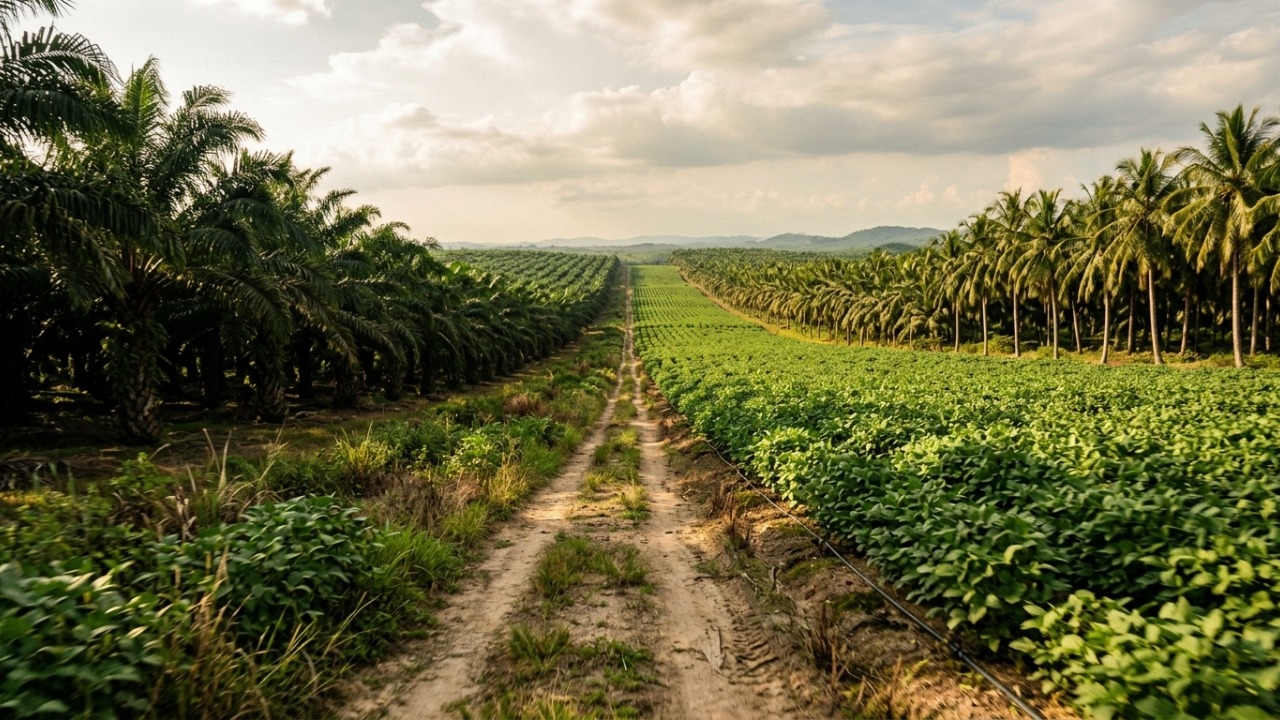
The three crops have different production geographies. Soy cultivation is expanding across South American savannas and forests, while palm and coconut plantations occupy extensive areas in Asia. In each case, simplified agricultural landscapes can impoverish soils and displace wildlife. The exposure is particularly acute in tropical ecosystems because they contain exceptionally high levels of biological richness. Clearing and fragmenting native vegetation in these areas can interrupt the reproduction of threatened animals and reduce ecosystem services.
Olhar Digital said developed countries and large urban markets are major buyers of processed products containing vegetable oils, while much of the ecological damage remains in developing tropical producer regions. This separates consumption from its environmental cost: manufacturers and final consumers obtain food, cosmetics and other finished goods, while production zones bear habitat depletion and the loss of biodiversity. For global supply-chain participants, the findings increase the relevance of traceability, auditable origin information and scrutiny of land-use change.
Substitution alone may shift the damage
Replacing one vegetable oil with another is not necessarily a straightforward solution. The report noted that sunflower and rapeseed require substantially more land than palm to produce the same quantity of fat. A switch intended to reduce pressure in one producing region could therefore transfer or intensify land-use impacts elsewhere. Buyers and processors must consider yield, production geography and habitat sensitivity together rather than judging oils only by the reputation of an individual crop.
The measures discussed include agroforestry, responsible soil management and tighter oversight of supply chains to reduce the need to clear additional natural areas. The report also points to biotechnology research into stable synthetic alternatives made with modified yeast. At the policy level, it advocates international trade agreements that penalize products connected to deforestation, auditable certificates of origin, restrictions on financing for companies associated with environmental offences, stronger local enforcement and expanded protected areas. These approaches could raise compliance and verification requirements for producers, processors, traders and consumer brands, especially in palm, soy and coconut supply chains. The central challenge is to curb biodiversity loss without shifting demand toward alternatives that require more land for the same output.
Full market analysis