Palm oil prices steady on Malaysian stocks as Italy shifts rice planting
Palm oil prices remained stable in July 2026 as higher Malaysian production and stocks offset tighter availability in Indonesia and the risk from El Niño. Italy’s projected rice area for 2026/27 fell slightly to 233,500 hectares, while farmers shifted sharply from long-grain varieties toward round rice.
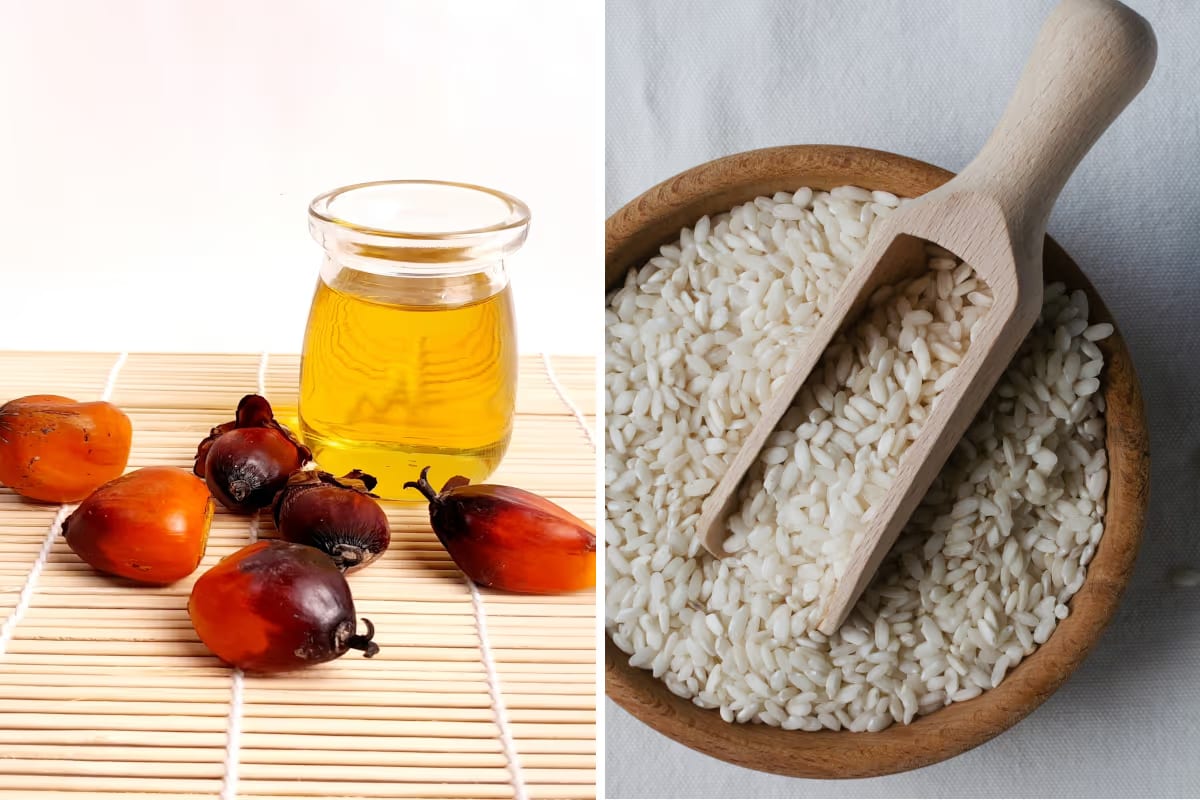
Malaysian supply supports palm oil prices
Palm oil quotations were stable in July 2026 on both Bursa Malaysia and the Rotterdam market, according to an analysis by Areté reported by Italia a Tavola. Greater availability in Malaysia provided the main support. The country produced 1.64 million tonnes in June, an increase of 8% from the previous month. Malaysian palm oil stocks rose to 2.54 million tonnes, 25% above their June 2025 level.
Conditions were tighter in Indonesia, the world’s largest producer. Stocks in May were 22% below the average of the previous three years, while exports fell 32% year on year and domestic consumption increased 2%. The contrast leaves the two leading Southeast Asian suppliers in different positions: Malaysia has a larger short-term buffer, whereas Indonesia has less inventory available to absorb changes in domestic or overseas demand.
Demand weakens, but climate risk remains
China reduced its palm oil purchases sharply in June, with imports down 46% from the same month of 2025. The longer view was stronger, however, as imports over the full first half remained 16% higher. European Union demand also softened. By July, cumulative purchases were 20% below the average of the previous three marketing years and 1% lower year on year.
For producers, processors and traders, El Niño is the main risk to the current price stability. The latest forecasts cited by Italia a Tavola put the probability that the event will persist until early spring 2027 at 97%. They also indicate an 81% probability that it will reach very high intensity between October and December. Any resulting loss of plantation productivity in Indonesia and Malaysia could reduce the supply cushion now keeping quotations steady.
Italian farmers change their rice mix
Italy is preparing for the 2026/27 rice season with a modest reduction in total planted area. An Ente Risi survey based on 2,937 responses, representing 79% of the area cultivated in 2025, projects 233,500 hectares. That is 0.5% below 2025 and 0.2% below the organization’s February survey. Areté expects a larger contraction of 1.6% in 2026.
The small change in the national total conceals a substantial reallocation between rice groups. Long A and medium rice are projected at 116,100 hectares, down 11.8% from 2025 and 2.1% from the February survey. This group includes Arborio, Carnaroli, Baldo and Roma, varieties widely used for risotto because they absorb seasonings while retaining firmness.
Long B rice is expected to cover 39,850 hectares, a year-on-year decline of 13.9%, although the estimate is 4.6% above the February result. These slender-grain varieties are often associated with parboiled rice and uses where grains must remain separate, including side dishes and ethnic cuisine. Round rice is moving in the opposite direction: its projected area reaches 77,550 hectares, up 36.5% from 2025 and 0.3% from the previous survey. The figures point less to a broad retreat from rice than to a change in the segments Italian growers consider competitive.