Palm oil shortage puts Cameroon’s 52.9 billion CFA franc soap exports at risk
Cameroon exported 74,208 tonnes of soap worth 52.9 billion CFA francs in 2025, but manufacturers face a severe shortage of palm oil. Domestic availability fell below 10,000 tonnes in 2026, increasing dependence on costly imports and threatening supplies to Nigeria and other regional buyers.
Soap exports rise into Cameroon’s top 10
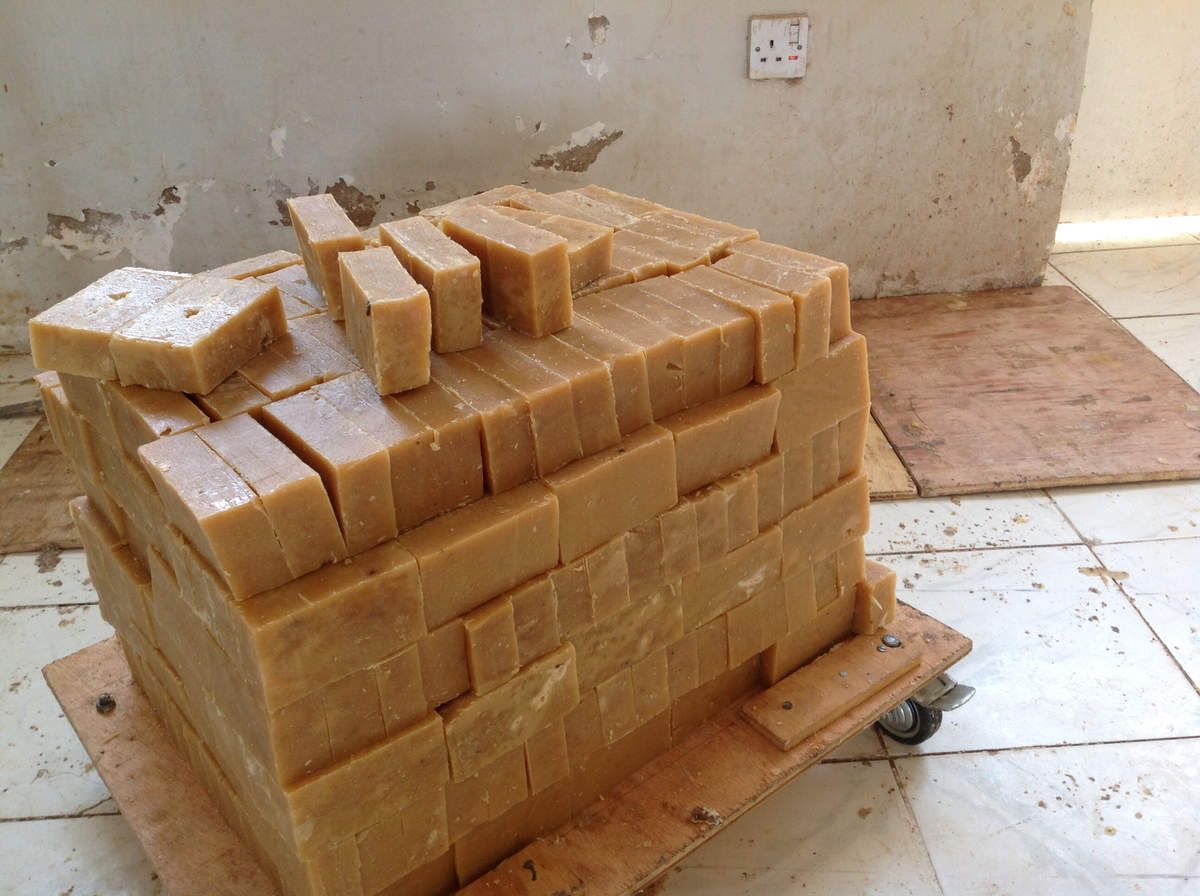
Cameroon’s soap industry generated export revenue of 52.9 billion CFA francs in 2025, up from 34.2 billion CFA francs a year earlier, according to Cameroun Actuel. Export volume climbed by 31.1% to 74,208 tonnes from 56,624 tonnes in 2024. That performance placed soap among the country’s 10 largest export products, making the industry an increasingly important source of manufacturing revenue and regional trade.
Nigeria is the principal foreign market. In 2023, soap accounted for 68% of Cameroon’s exports to Nigeria, underscoring the exposure of that trade corridor to any disruption in production. The strong expansion in shipments contrasts with persistent shortages of palm oil, a core raw material for soap manufacturers. If factories cannot secure sufficient supplies, producers risk losing export volumes just as the sector is establishing a larger position in Cameroon’s merchandise trade.
Palm oil availability falls below 10,000 tonnes
Industry participants estimate Cameroon’s annual unmet palm oil requirement at between 200,000 and 300,000 tonnes. At the end of 2025, Opalm chief executive Tarek Daoud put the national deficit at about 300,000 tonnes. Refineries and soap factories consequently operate at only part of their capacity when raw material is unavailable, limiting their ability to convert strong regional demand into consistent output.
The shortage became critical in 2026. At a meeting held at the Ministry of Commerce on June 2 under Minister Luc Magloire Mbarga Atangana, participants said national availability had dropped below 10,000 tonnes. Cameroon therefore plans additional imports during the second half of 2026. This option carries a higher cost because international palm oil prices remain on an upward trend, supported in part by biodiesel demand. Manufacturers must consequently compete for imported material while managing the effect of more expensive inputs on margins and export pricing.
Import bill doubles as new capacity is planned
Official data already show a rapid increase in dependence on foreign oils. According to the National Institute of Statistics, imports of crude or refined oils rose from 69,719 tonnes in 2024 to 130,564 tonnes in 2025. Their value increased from 49.9 billion to 92.2 billion CFA francs. The volume grew by 60,845 tonnes, while spending rose much faster in absolute terms, adding pressure to manufacturers’ working-capital needs and Cameroon’s external bill. The government had previously authorized imports of 200,000 tonnes of palm oil in 2023 to supply refineries and soap factories.
Cameroon is also pursuing additional domestic production, although the planned volume will cover only part of the shortfall. In December 2025, Opalm signed a 45 billion CFA franc investment program with the state to build five production units. The company targets about 108,000 additional tonnes per year, slightly more than one-third of the estimated 300,000-tonne deficit. At the June 2 meeting, stakeholders also agreed to establish technical committees to improve coordination across the supply chain and curb informal trade in bulk oil. Until new output reaches the market, continued imports and tighter allocation of available palm oil will remain central to protecting soap production and regional deliveries.