Palm oil futures fall as Indonesia’s B50 biodiesel allocation remains uncertain
Malaysian palm oil futures declined for a second consecutive session on Wednesday, following weaker vegetable oil markets in Dalian and Chicago. Uncertainty over Indonesia’s allocation for its B50 biodiesel mandate added to the pressure.
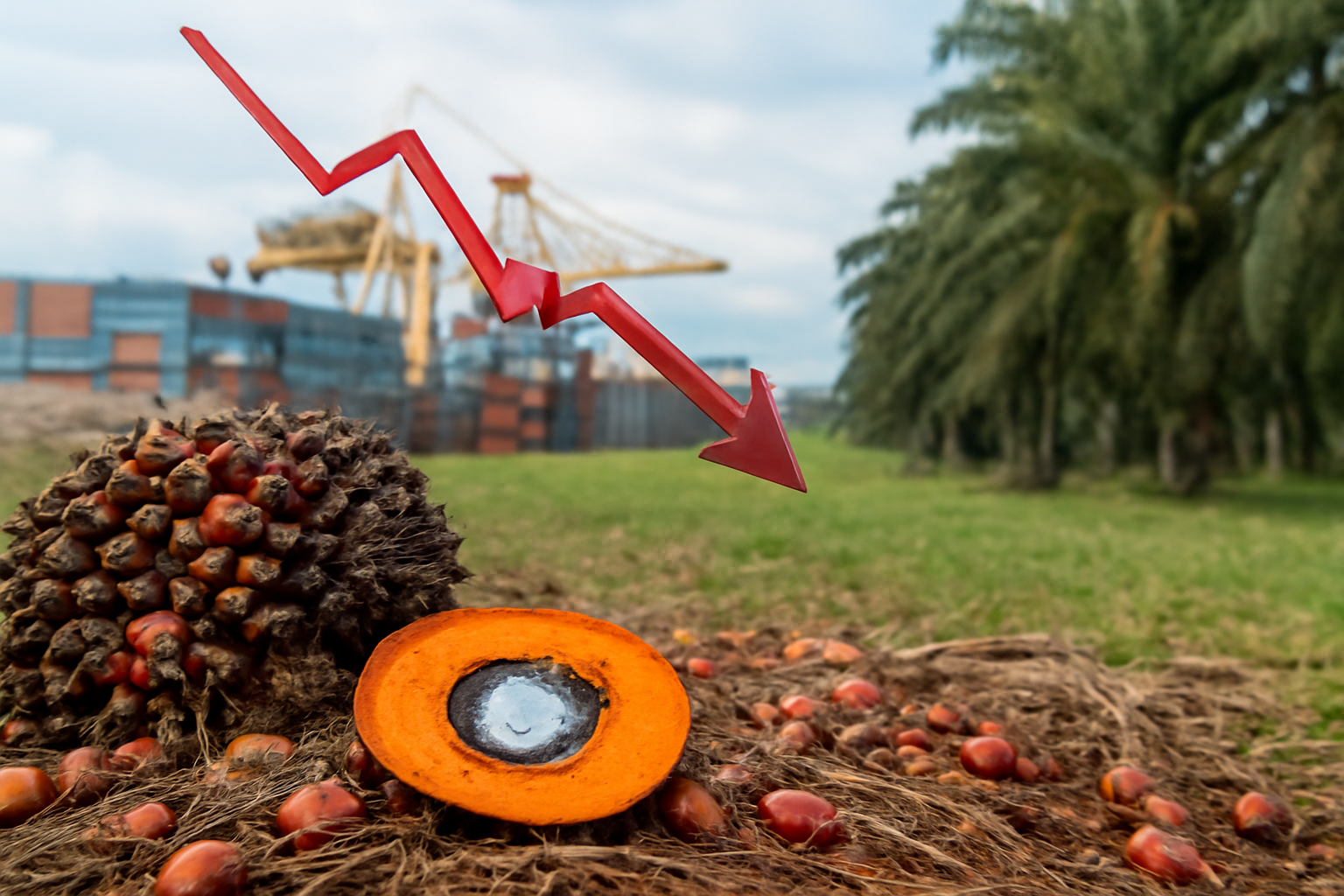
Malaysian futures extend losses
Malaysian palm oil futures declined for a second consecutive session on Wednesday, according to World Energy News. The market tracked losses in vegetable oils traded in Dalian and Chicago, showing that price direction was being shaped by weakness across the wider oilseed complex rather than by palm oil alone.
The movement in rival oils matters because palm oil competes with soybean oil and rapeseed oil in food manufacturing, energy and other industrial applications. When competing oils become cheaper, palm oil can face additional pressure as buyers compare prices and adjust purchasing decisions. The latest decline therefore reflects the close relationship among the main internationally traded vegetable oils.
B50 allocation remains unresolved
Uncertainty over Indonesia’s B50 biodiesel allocation also weighed on sentiment. The B50 policy refers to a biodiesel blend containing 50% biofuel. Indonesia is a central participant in the palm oil market, and the amount of feedstock assigned to the program can affect expectations for domestic consumption and the volume potentially available to other buyers.
The available source material does not specify the size of the proposed allocation, a timetable for implementation or the volumes that could be absorbed by the mandate. Without those details, traders cannot calculate with confidence how much palm oil may be redirected into Indonesian biodiesel production. The uncertainty concerns the scale and execution of the program, not merely its announced blending level.
Rival oils shape near-term pricing
Weakness in Dalian and Chicago gives market participants another immediate pricing signal while Indonesia’s policy details remain incomplete. Dalian contracts provide a reference for vegetable oil demand and pricing in China, while Chicago markets are widely followed for movements in soybean oil. Declines in both markets can reduce support for Malaysian palm oil futures, particularly when there is no confirmed policy development strong enough to offset them.
For producers and processors, lower futures may influence selling decisions and feedstock purchasing, although the source provides no cash-market prices or processing-margin data. Traders and importers will be watching whether palm oil becomes more competitive against soybean and rapeseed oil, as well as whether Indonesia clarifies the B50 allocation. Those two factors could pull the market in different directions: weak rival oils may cap palm prices, while a large biodiesel allocation could strengthen expectations for Indonesian domestic demand.
Market waits for policy detail
The second consecutive decline indicates persistent short-term pressure, but the information available does not establish the size of the price move or a longer-term trend. The next important signal will be concrete information on the B50 program, including its allocation and implementation arrangements. Until then, Malaysian palm oil is likely to remain sensitive to daily movements in competing vegetable oil contracts.
Industry participants will also need to distinguish between the mandate’s headline blend and the actual volume delivered through the program. For exporters, refiners and biodiesel producers, implementation determines the commercial effect. In the absence of confirmed allocation figures, the market is pricing policy uncertainty alongside weaker external benchmarks.