Palakkad gains strategic role in India’s silkworm seed supply
Palakkad has been identified as an important producer of high-quality silkworm seed in India’s sericulture sector. The district is among 218 selected to support the country’s effort to reduce dependence on external silk inputs.
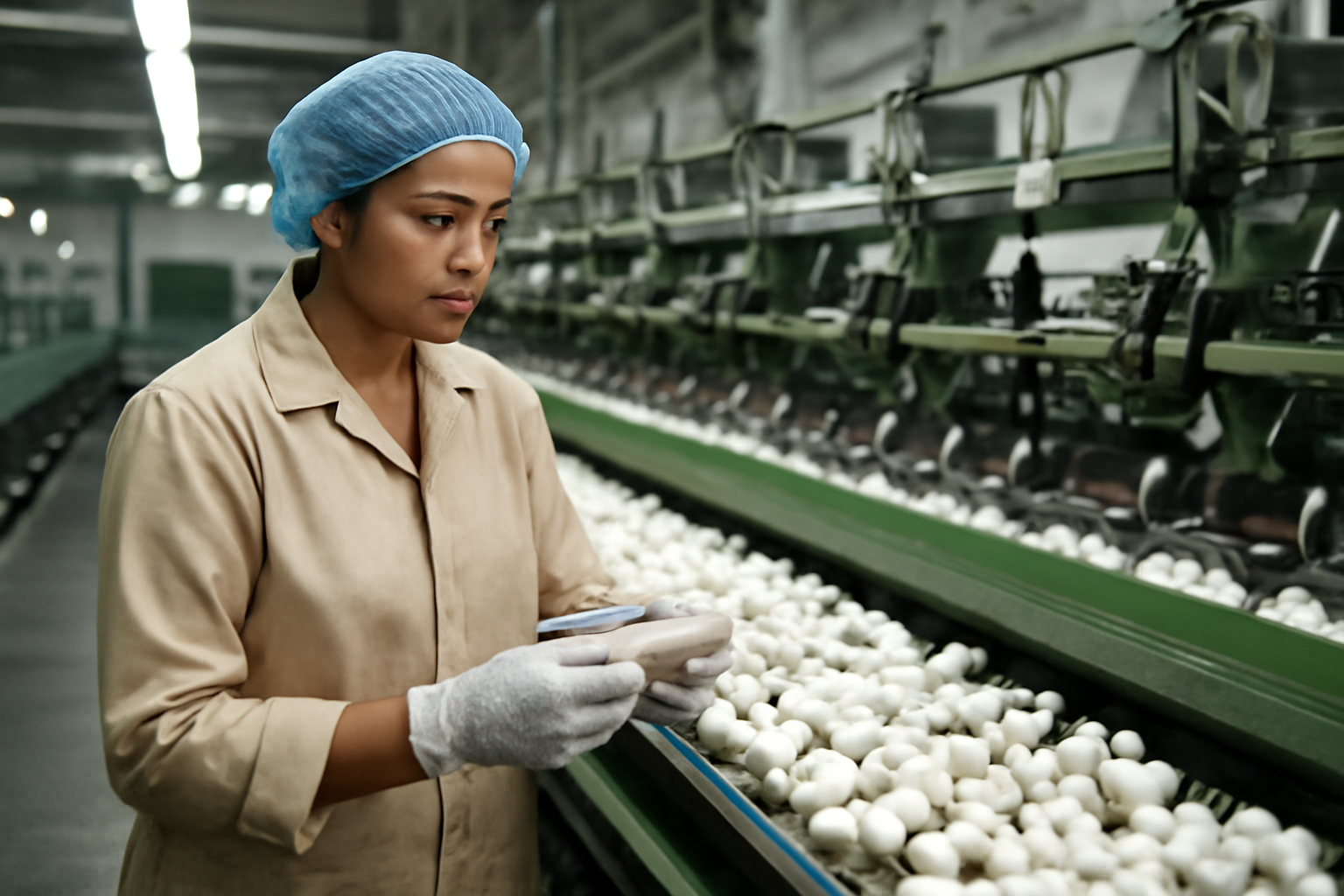
Palakkad moves upstream in the silk chain
Palakkad is taking on a more prominent role in India’s sericulture industry through its production of high-quality silkworm seed. The district is among 218 identified as part of a national effort to strengthen the domestic silk supply chain and reduce dependence on inputs obtained from outside that chain.
The initiative places Palakkad at the beginning of the production cycle rather than only at the yarn or finished-fabric stage. Reliable silkworm seed is a basic requirement for raising silkworms, producing cocoons and supplying material for silk yarn. Its quality therefore influences later stages of the chain, including cocoon availability and the consistency of raw material reaching processors.
For producers, the district’s inclusion signals that seed production is being treated as an industrial input with national importance. A stronger domestic base can give sericulture operators greater control over the availability and quality of their starting material. It can also make production planning less dependent on external suppliers, although the available information does not specify targeted volumes, investment levels or a timetable.
A network of 218 districts
Palakkad is one part of a wider program covering 218 districts. That scale indicates that India is pursuing a distributed production network rather than relying on a single location. For the silk industry, a broader geographic base can support access to seed across several production areas and limit excessive concentration in one source.
The designation also creates a clear role for specialized districts within the national value chain. Palakkad’s stated advantage is the quality of its silkworm seed. Maintaining that position will depend on consistent output and the ability of downstream producers to obtain seed when required. No figures have been provided for current production, planned capacity or Palakkad’s share of national supply, so the district’s quantitative contribution cannot yet be assessed.
The program’s focus on external dependence is significant for growers, cocoon producers, reelers and textile processors. Any disruption at the seed stage can move through the chain, affecting the supply of cocoons and silk yarn. Conversely, a dependable domestic seed network can provide a firmer production base for companies and households operating further downstream.
Commercial implications for the silk industry
Palakkad’s role is primarily an input-security story. The district is not simply being presented as another silk-producing location; it is being positioned as a source of the biological material required before cocoon and yarn production can begin. That distinction matters to processors and investors assessing where constraints may emerge in the industry.
The next indicators will be operational: how much seed the district produces, how output changes, which sericulture regions it supplies and whether domestic production actually displaces external inputs. The information currently available establishes Palakkad’s strategic designation and the national program’s 218-district reach, but it does not provide trade values, prices or capacity data. Those figures will be necessary to measure the program’s effect on India’s silk supply chain.