Post-harvest gaps push Pakistani non-GMO maize to discounts of up to 15%
Pakistani non-GMO maize is being sold abroad at discounts of 10% to 15% because excessive moisture, impurities and inadequate storage undermine its marketability. LDC has opened a 40,000-tonne grain storage facility near Multan as an initial response to the post-harvest problem.
Premium crop reaches buyers at a discount
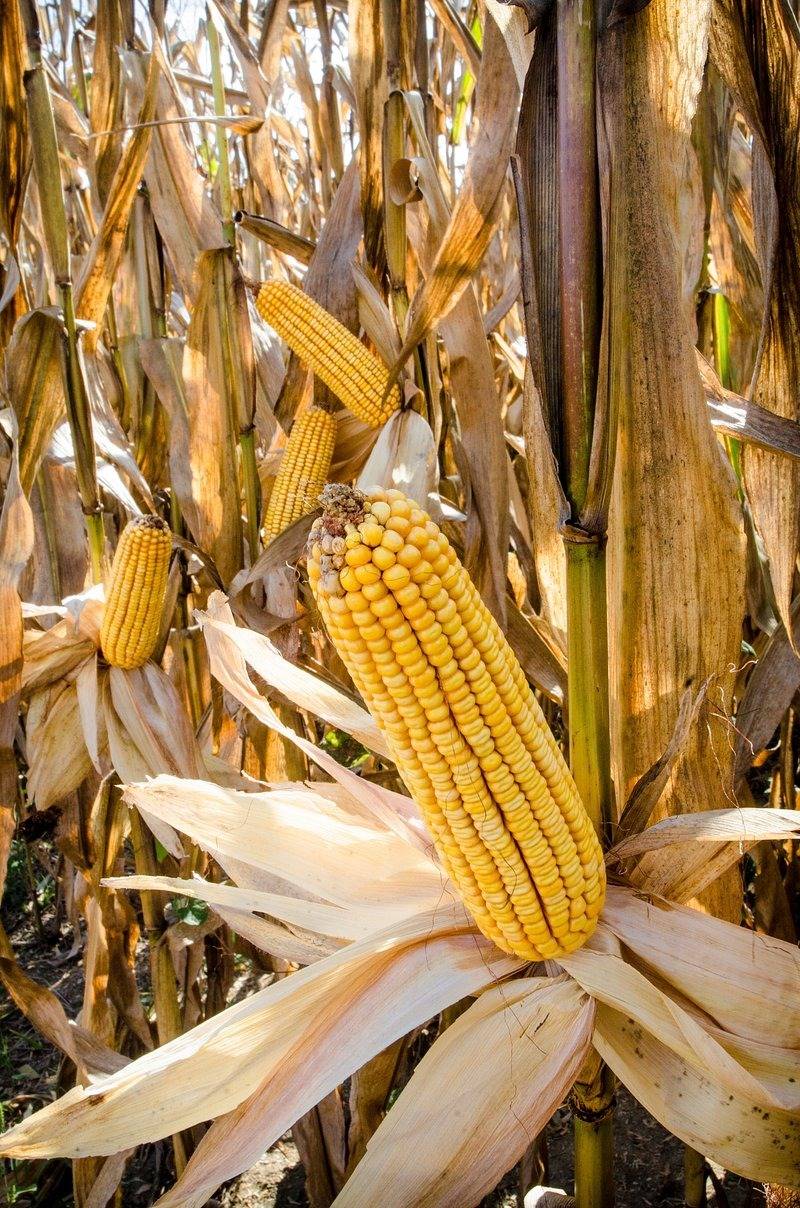
Pakistan produces non-genetically modified maize, a product that can normally command a higher price in international markets. Yet shortcomings in harvesting, handling and storage mean Pakistani maize is being contracted at discounts of 10% to 15% against prevailing market prices, Daily Pakistan reported.
Muhammad Daniyal, LDC’s country head in Pakistan and head of grains and oilseeds, told Express that the discount does not reflect the underlying quality of the maize. Buyers are instead concerned about moisture levels above their requirements and the presence of impurities. In some cases, the grain is not purchased at all; when a buyer does agree to take it, the contract may carry the 10% to 15% reduction.
Drying and logistics determine market access
The problem begins after harvest. Farmers lack drying systems, suitable storage space and transport arrangements that meet the standards expected in international supply chains. Grain that is not moved quickly into facilities with adequate ventilation and moisture control can deteriorate before it reaches the market, reducing both its value and the pool of potential buyers.
That gap prevents producers from capturing the premium attached to non-GMO maize even when the crop itself is of good quality. It also affects exporters, which must either find buyers willing to accept the condition of the grain or price in the cost and risk associated with additional handling. For local processors, inconsistent post-harvest management can translate into a less stable supply of usable raw material.
Daniyal said Pakistan’s irrigation network gives the country considerable potential to increase agricultural output and sell surplus commodities internationally. Realising that potential, however, requires investment in agricultural infrastructure and better standards for storage and logistics after harvesting. Improved harvesting, drying, storage and marketing could generate foreign-exchange earnings worth millions of dollars, according to his assessment, although no specific export target was provided.
LDC adds 40,000 tonnes of storage near Multan
LDC has established its first grain storage facility near Multan to address part of the capacity shortage. The site can hold 40,000 tonnes of wheat, maize and rice under conditions designed to meet international standards. Its location in Punjab’s agricultural region is intended to protect surplus production in an area where larger harvest volumes can also create a greater risk of losses.
Storage alone will not secure the non-GMO premium, but it can preserve grain quality from the first day after harvest. Immediate access to ventilation and moisture management can reduce losses and help exporters present more consistent cargoes. For Pakistan’s maize sector, the central commercial issue is therefore not simply how much grain is produced, but how much reaches processors and overseas buyers in a condition that satisfies their specifications.