Pakistan Tenders for 750,000 Tonnes of Wheat as Flour Prices Surge
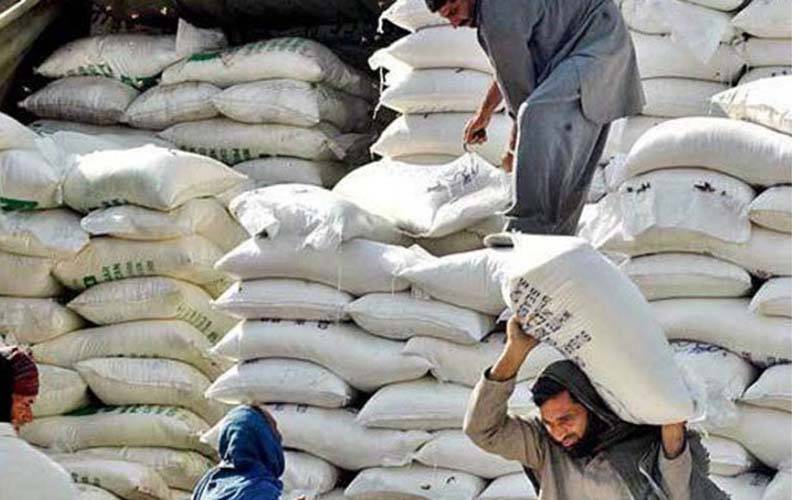
Pakistan has issued an international tender for 750,000 tonnes of wheat to address a potential shortage. The move follows sharp price increases in Karachi, where wholesale wheat reached 132 rupees per kilogram and some 50-kilogram flour bags cost as much as 8,000 rupees.
Import tender targets potential supply shortfall
Pakistan’s federal government has decided to import 750,000 tonnes of wheat to address a potential domestic shortage, according to Samaa. The Trading Corporation of Pakistan has issued an international tender, with technical bids scheduled to open on September 16 in the presence of bidders or their authorized representatives.
The planned volume will be divided among three provinces. Sindh is allocated 300,000 tonnes, Punjab 250,000 tonnes and Khyber Pakhtunkhwa 200,000 tonnes. Officials expect the purchases to improve wheat availability in the domestic market. Companies that failed to meet previous contractual obligations to the Trading Corporation of Pakistan cannot participate unless they settle outstanding amounts and penalties before the tender opens. Firms already undergoing blacklisting procedures are also excluded.
Flour prices rise despite substantial harvest
The import decision comes as wheat and flour prices climb across Pakistan despite what Daily Pakistan described as a strong harvest. In Karachi’s wholesale market, wheat rose from 90 rupees to 132 rupees per kilogram over four months, an increase of 42 rupees. The price of 2.5-grade flour increased by 55 rupees to 155 rupees per kilogram, fine flour rose by 45 rupees to 157 rupees, and stone-ground flour gained 45 rupees to reach 180 rupees. In some areas, a 50-kilogram bag of flour reached 8,000 rupees.
Industry representatives cited deregulation, the absence of a support price, hoarding, weak supply chains and inadequate storage as contributors to the increase. Khalid Hussain, chairman of Kisan Ittehad, said flour had become more expensive in Sindh, Balochistan, Khyber Pakhtunkhwa and Punjab, affecting both farmers and consumers. Wholesale Grocers Association chairman Rauf Ibrahim argued that the 750,000-tonne import plan was insufficient and said imported wheat was unlikely to arrive before November.
The scale of consumption helps explain the pressure. Samaa reported annual wheat consumption of about 31.3 million tonnes and last year’s production at 29.61 million tonnes, leaving a gap of roughly 1.7 million tonnes. Daily Pakistan separately put annual production at approximately 30 million tonnes and consumption near 31 million tonnes. Samaa said the Pakistan Agricultural Storage and Services Corporation held 1.708 million tonnes in stocks as of the first week of July. Karachi requires about 12,000 tonnes of wheat per day, while Sindh needs 24,000 tonnes, according to Daily Pakistan.
Storage quality weighs on export value
Pakistan’s wheat is not commercially grown from genetically modified varieties, but this has not secured a premium abroad. Muhammad Daniyal, country head of LDC Pakistan, said comparable wheat sells on the world market for about $290 per tonne, while Pakistani wheat generally fetches close to $270. Buyers discount it because of quality risks rather than paying more for its non-GM status. Poor storage can expose grain to moisture and insects, reducing its export value.
Storage and procurement policy therefore remain central to the market outlook. Daily Pakistan reported that Punjab offered the private sector the opportunity to buy wheat in April and May at 3,500 rupees per 40 kilograms, with the provincial government covering about 70% of the financing cost on KIBOR-linked loans used for storage. However, the prevalence of small farms, deficient warehouses, open storage sites and a shortage of modern silos continue to increase losses and complicate the movement of grain from farms to consumers.