Pakistan Sugar Mills Seek Approval to Export One Million Tonnes
Pakistan’s sugar industry is seeking permission to export one million tonnes, citing an estimated surplus of 1.03 million tonnes before the new crushing season starts in November. The government faces pressure to verify stocks after last year’s exports were followed by higher domestic prices and imports.
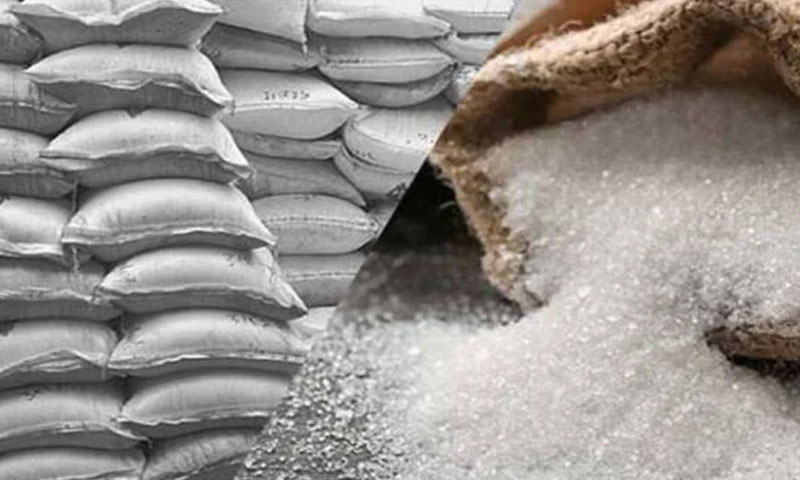
Mills claim a 1.03 million-tonne surplus
Pakistan’s sugar industry is again asking the government to authorize a large export program, with the Pakistan Sugar Mills Association seeking approval to ship one million tonnes. According to WE News, the association estimates that the country has approximately 1.03 million tonnes of surplus sugar that should be cleared before the new sugarcane crushing season begins in November.
The mills argue that exports would free warehouse capacity and generate the cash needed to purchase the next sugarcane crop. They estimate that selling one million tonnes abroad could earn approximately $600 million in foreign exchange. The industry also says that unsold inventories are creating liquidity pressure that could affect bank repayments and payments owed to farmers.
Last year’s export-import cycle raises concern
The central question for the government is whether the claimed surplus accurately reflects available stocks, domestic consumption and reserve requirements. WE News reports that Pakistan authorized exports of approximately 750,000 tonnes last year. Domestic prices subsequently rose sharply, reaching as much as 180 rupees per kilogram in some markets.
To address the resulting supply pressure, the government later imported approximately 300,000 tonnes of sugar at a cost of about $150 million. The experience has made another large export decision politically and commercially sensitive: an overestimate of the surplus could benefit mills in the short term while exposing consumers and industrial buyers to tighter supplies and higher prices later.
Stock verification divides industry and farmers
The Economic Coordination Committee has taken a narrower step by deciding to invite international tenders for the export of 108,000 tonnes held by the Trading Corporation of Pakistan. According to WE News, this is the same sugar that was imported during last year’s shortage. PSMA President Zaka Ashraf says mill inventories are monitored through the Federal Board of Revenue’s system and every bag is accounted for, making another physical verification unnecessary. However, variations in the association’s stock and expected-surplus estimates presented at different points in July have added to doubts.
Farm groups are also divided. Pakistan Kissan Ittehad supports the immediate export of one million tonnes, warning that mills may otherwise be unable to buy the new crop, which could hurt growers. The PTI Kissan Wing opposes approval without an independent forensic audit, citing the previous shortage and price increase. The debate also carries a longer regulatory history: a 2020 sugar inquiry commission report identified issues including export subsidies, interference with market supply and the exploitation of growers, while the Competition Commission of Pakistan imposed fines totaling 44 billion rupees on sugar mills and PSMA in 2021. Before approving the requested volume, the government must reconcile verified physical stocks with domestic demand, farmer liabilities and the strategic reserve needed to avoid another costly reversal from exports to imports.