Pakistan Households Cut Milk, Meat and Staple Food Consumption as Affordability Worsens
Pakistan Bureau of Statistics data show household consumption declining across almost all major food categories over six years. Lower purchases of milk, meat and other staples point to sustained affordability pressure and changing diets.
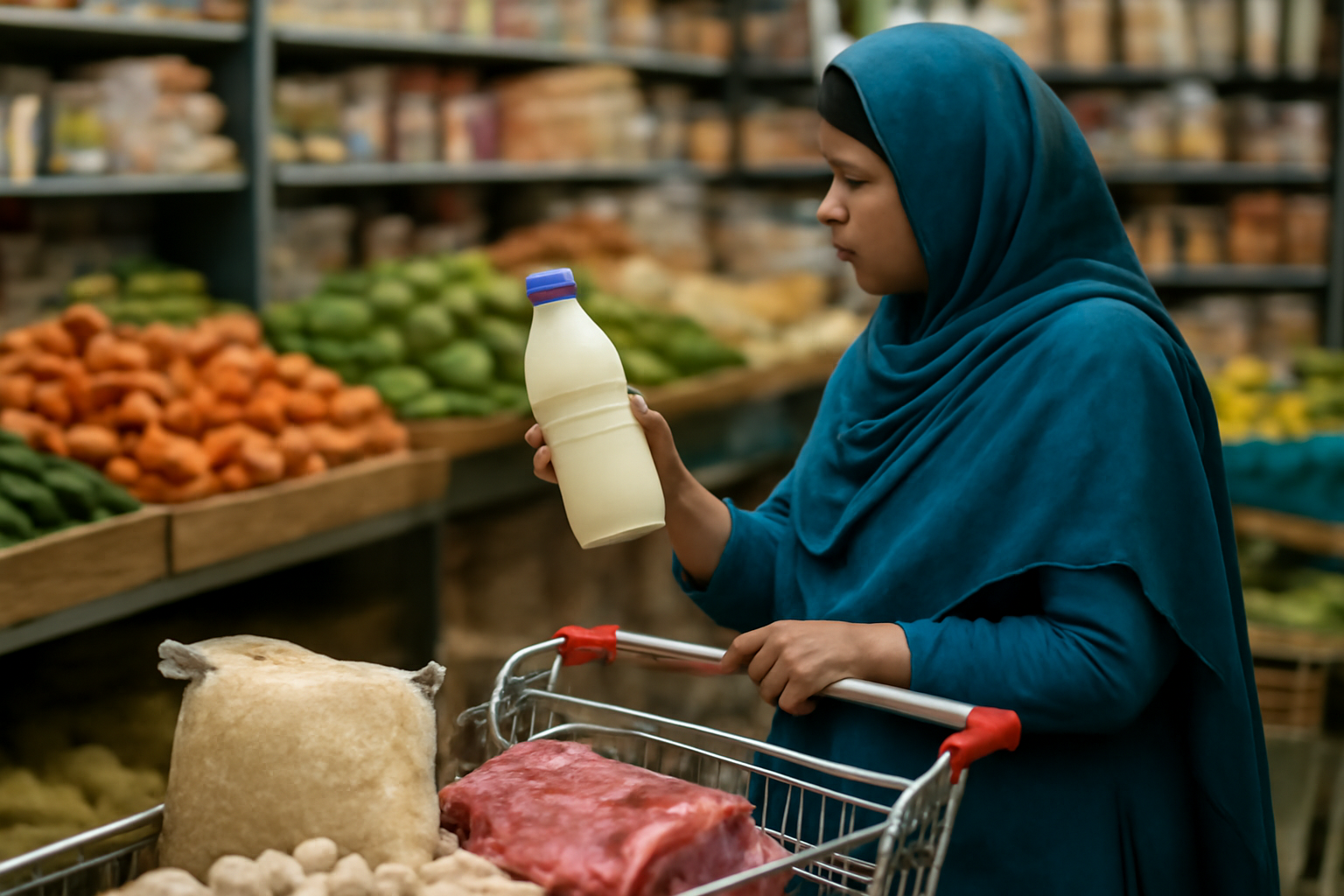
Household food consumption declines
Pakistani households have reduced consumption across almost all major food categories over the past six years, according to data from the Pakistan Bureau of Statistics. The contraction includes milk, meat and other staple foods, indicating that pressure on household purchasing power is affecting both everyday meals and products associated with dietary quality.
The available information does not provide category-level volumes, percentage changes or annual comparisons. It nevertheless points to a broad decline rather than weakness confined to one product. That distinction matters for food producers, processors and retailers because simultaneous reductions across several categories suggest a household affordability problem, not simply changing preferences within the food basket.
Milk and meat are particularly significant indicators. Both contribute important nutrients but can represent relatively expensive parts of household diets. When budgets tighten, consumers can reduce portions, buy less frequently or shift spending toward cheaper foods. The reported decline implies that such adjustments have persisted rather than appearing as a short-lived response.
Pressure spreads through domestic supply chains
Lower household consumption can affect the full chain from farms to processors and distributors. Dairy businesses face weaker demand for fresh milk and potentially for processed products, while livestock producers and meat sellers may encounter resistance to prices that exceed household budgets. Retailers must manage smaller purchases and possible changes in the mix of products that consumers choose.
The impact is unlikely to be uniform. Businesses serving price-sensitive consumers face greater exposure to falling volumes, while suppliers able to offer smaller packs or lower-cost alternatives may be better positioned to retain demand. Producers, however, still have to cover their own operating costs. That creates a difficult balance between keeping food affordable and maintaining commercially viable production.
A broad consumption decline may also complicate investment decisions. Processors considering additional capacity need confidence that domestic demand can absorb output. Persistent weakness can lead companies to use existing plants less intensively, delay expansion or focus on products with lower price points. The source material does not identify plant closures, capacity reductions or corporate transactions, so the scale of any industrial response remains unclear.
Trade implications depend on product balances
For importers, reduced consumption can weaken demand for foreign food products and ingredients when buyers respond by cutting orders. The effect will depend on whether an individual category relies on imports, domestic production or a combination of both. No product-specific trade volumes, origins, prices or shipment data were provided, preventing a direct assessment of changes in Pakistan’s import requirements.
Domestic suppliers may gain some opportunities if buyers substitute locally produced food for more expensive imported alternatives. Yet weaker consumption can outweigh any substitution benefit when the overall market is shrinking. Export opportunities could offer another outlet for some producers, but the source material provides no evidence of rising Pakistani food exports or a deliberate shift toward overseas markets.
Official data provide a warning on diet quality
The six-year pattern gives industry participants a longer-term signal about the condition of consumer demand. A sustained reduction across major foods can alter product development, packaging, distribution and procurement strategies. Companies may need to pay closer attention to affordability, purchase frequency and the widening gap between nominal demand and the volumes households can actually buy.
For policymakers and market analysts, the central issue is whether consumption stabilizes or continues to fall. Recovery would require households to regain the ability to purchase a broader food basket. Until category-level figures and more recent observations are available, the precise severity of the decline cannot be quantified. The PBS data cited in the source nevertheless show that Pakistan’s food affordability problem is already reshaping what households consume.