Pakistan farm groups threaten nationwide protests over GMO maize cultivation plan
Pakistani farmers, exporters, scientists and seed companies have opposed proposed approval for commercial GMO maize cultivation. They warn that genetic contamination could endanger non-GMO exports, including more than $1 billion in Basmati rice trade, and increase reliance on imported seed.
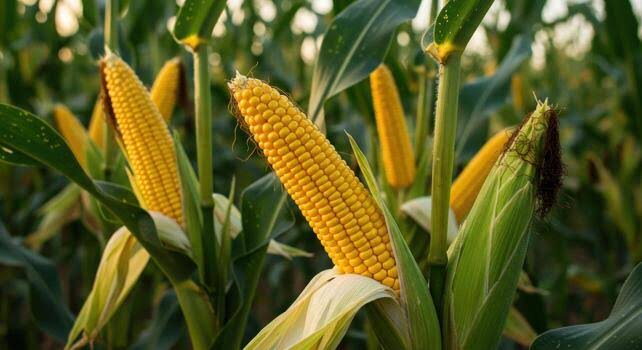
Maize plan triggers opposition across agriculture
Farmers, exporters, scientists, processors and seed industry representatives in Pakistan have threatened nationwide protests if the government proceeds with commercial cultivation of genetically modified maize. The coalition argues that approval could put agricultural exports, domestic seed companies and the country’s biosecurity at risk.
Profit reported that representatives from across the maize supply chain met at the Lahore Chamber of Commerce under the Zarai Ittehad Pakistan platform. Farmers’ organisations, rice exporters, maize processors, seed companies, academics and other agricultural groups unanimously opposed commercial-scale cultivation and warned that they would mobilise nationally if the plan advanced.
The government’s detailed timetable and proposed approval conditions were not specified in the report. Opposition groups nevertheless said the authorities were moving towards approval and challenged the way stakeholders had been consulted.
Exporters focus on non-GMO market access
The Rice Exporters Association of Pakistan and the Basmati Growers Association said GMO maize could compromise the separation required to maintain non-GMO agricultural supply chains. Their concerns extend beyond maize because accidental mixing or contamination could affect how European and other international buyers assess Pakistani produce.
Farooq Bajwa, president of the Basmati Growers Association, said Pakistan’s position in international markets depends on preserving the non-GMO status of its produce. The groups highlighted the potential exposure of the country’s Basmati rice trade, valued at more than $1 billion, if buyers become concerned about traceability or contamination.
Maize processors raised similar concerns about exports of non-GMO produce. The warning suggests that any commercial introduction would require credible segregation, testing and traceability throughout seed distribution, farming, storage and processing. The report did not provide estimates of the costs of such controls or evidence that export buyers had already changed their purchasing policies.
Yield, seed supply and consultation disputed
Pakistan Kissan Ittehad President Khalid Mahmood Khokhar questioned the agronomic case for GMO maize. He said Pakistan’s maize yield was already double India’s output and comparable with that of the United States, while pest and disease pressure did not justify introducing the technology. These comparisons were presented by Khokhar and were not accompanied by supporting production data in the report.
Local seed industry representatives warned that adoption could increase dependence on imported GMO seed and damage domestic seed businesses. Scientists and seed specialists also argued that interruptions to foreign seed supplies could create risks for Pakistani agriculture. Rizwanullah Khan of Kissan Board Pakistan said the proposal could strengthen foreign control of the seed market while weakening local maize varieties and companies.
The coalition also criticised the consultation process. Participants alleged that a federal committee headed by the finance minister had engaged multinational companies but excluded farmers’ organisations and locally registered seed industry bodies. Seed experts Dr Anwarul Haq, Dr Ubaidur Rehman, Bilal Ahmed and Shafiqur Rehman separately objected to what they described as the exclusion of local scientists and researchers. The dispute now centres not only on the crop technology itself, but also on export safeguards, seed security and who participates in the approval process.