Paddy Prices Rise in Rio Grande do Sul but Growers Hold Back, Cepea Says
Higher paddy quotations in Rio Grande do Sul have not increased farmers' willingness to sell, according to Cepea. Mills are struggling to pass the higher raw material cost into milled rice, leaving trade sporadic, while July margins stayed below year-ago levels.
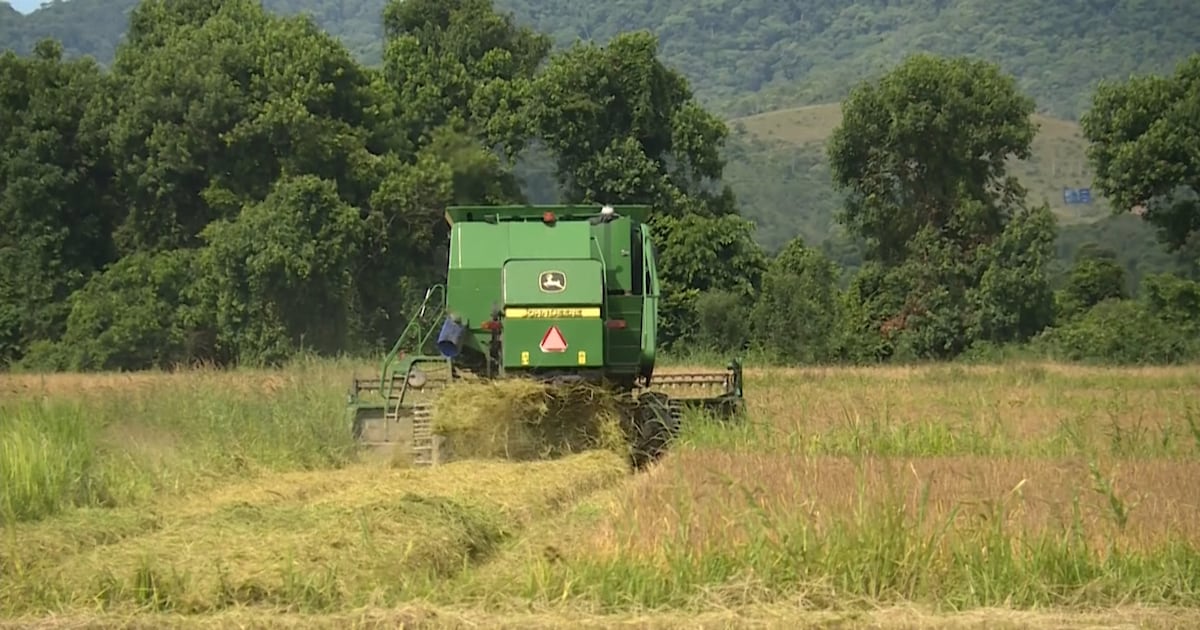
Paddy rice prices in Rio Grande do Sul, Brazil's main rice-producing state, have continued to advance, but the stronger quotations have not made growers more willing to sell. According to the Center for Advanced Studies on Applied Economics (Cepea), whose assessment was reported by the agribusiness desk of R7, the appreciation has not increased producers' disposition to negotiate, while mills are finding it hard to transfer the higher cost of raw material to milled rice. The result is a market that trades in isolated lots rather than in volume.
Tight raw material supply is setting the price
Cepea attributes the firmer paddy market to two connected factors: low availability of raw material and the need to rebuild inventories in the processing industry. Both are supporting paddy quotations in the spot market, where mills that allowed stocks to run down are now competing for the volumes still in farmers' hands.
That dynamic explains why the price signal is not producing the usual supply response. When the industry is short and growers know it, the cost of waiting is low relative to the perceived upside, and each purchase by a mill confirms the seller's decision to hold. Cepea describes negotiations as occasional: sales happen when a processor needs a specific lot, not because the market has cleared at a new level.
Better prices, margins still behind last year
The improvement is real but incomplete. Cepea notes that paddy quotations and production costs in Rio Grande do Sul have been moving in a more favourable direction, yet July margins remained below those recorded in the same month a year earlier. For growers, that comparison matters more than the direction of the price curve: the current level restores part of what was lost, without returning profitability to where it stood in the previous season.
It also frames the selling decision. A producer weighing an offer against last year's realised margin sees a gap rather than a premium, which reinforces the incentive to keep grain in store and wait for the industry to bid higher.
Mills cannot move the cost downstream
The binding constraint sits at the other end of the chain. Cepea reports that processors are having difficulty transferring the increase in raw material to the price of milled rice, which caps how far they can chase paddy. That leaves the industry in a narrow band:
- stocks are low enough that mills cannot step away from the market entirely;
- resistance further downstream limits the price they can realise on the finished product;
- every additional real paid for paddy therefore comes directly out of processing margins.
Under those conditions, buying tends to be defensive and piecemeal, enough to keep the mills running but not enough to rebuild coverage. That is consistent with the sporadic trading pattern Cepea describes.
Rain, logistics and the 2026/2027 crop
Weather has added a second layer of uncertainty. Rainfall in Rio Grande do Sul is worrying producers, who report difficulties moving the cereal in some regions and apprehension about soil preparation for the 2026/2027 season, according to Cepea. Transport problems tighten spot availability further in the short term, because grain that cannot be shipped does not reach the mill regardless of price.
The concern about field work has a longer horizon. Delays in soil preparation affect planting windows and, ultimately, the volume that will be available to the industry in the next commercial year. With inventories already thin, any signal that the 2026/2027 crop could be compromised strengthens the position of sellers now and raises the cost of the industry's decision to operate with minimal coverage.