Orano expands Botswana uranium search after losing control of Niger assets
Botswana has granted Orano Mining three additional uranium prospecting licences, bringing the French group’s total in the country to 18. The exploration push follows the loss of Orano’s principal uranium assets in Niger, but the Botswana permits do not yet represent producing capacity.
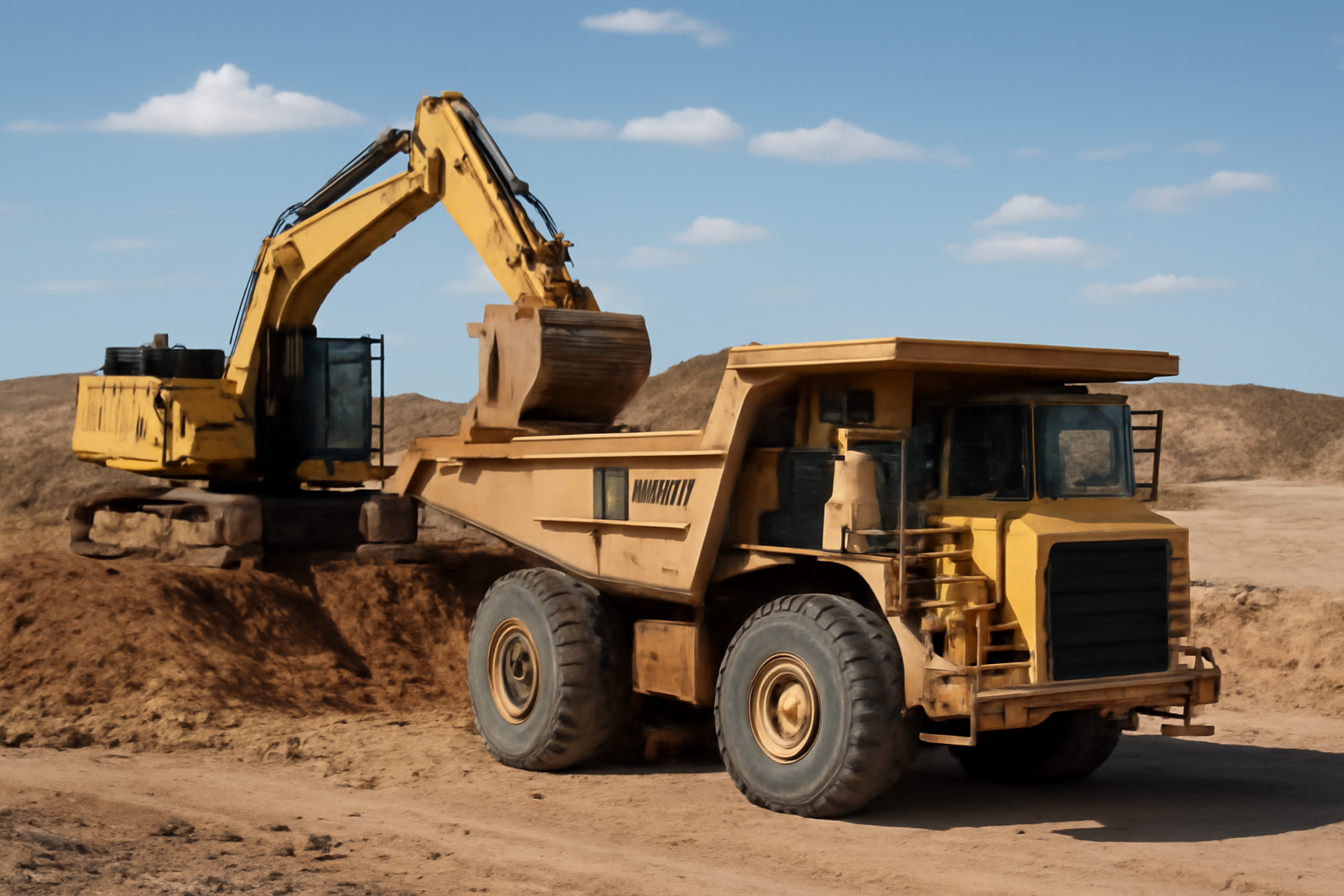
Three new licences take Orano’s Botswana portfolio to 18
Botswana has granted three new uranium prospecting licences to Orano Mining, increasing the French state-owned nuclear group’s portfolio in the country from 15 to 18 titles. Reuters reported the awards from Botswana’s official mining registry as the southern African country seeks to broaden an economy long dependent on diamonds.
Two of the new licences were issued in April 2026 and remain valid until March 2029. A third was granted in January 2026 and expires in December 2028, according to La Nouvelle Tribune. The three blocks are in the central Kalahari and each covers about 970 hectares, Miner Africa reported. They are adjacent to 15 permits awarded in October 2025 to Compagnie Française de Mines et Métaux, an Orano subsidiary. Those earlier titles are valid until September 2028.
Exploration does not immediately replace Niger production
The larger Botswana position gives Orano additional geological exposure in Africa, but prospecting rights are not equivalent to reserves, mine development or uranium output. Botswana’s government defines prospecting as the search for mineral deposits and the assessment of their extent and economic value. Under the country’s mining legislation, a prospecting licence can be issued for no more than three years, although holders may apply for renewal.
That distinction matters for uranium buyers and investors assessing whether Botswana can offset the disruption in Niger. Orano has not disclosed a uranium resource, production target, mine construction schedule or investment budget for the newly licensed blocks. Exploration must first establish whether commercially recoverable deposits exist. Any transition from fieldwork to production would also require further technical studies, approvals and capital.
Niger dispute changes Orano’s African footprint
Orano’s Botswana expansion comes after a sharp deterioration of its position in Niger, where the company had operated for more than 50 years. Niger withdrew the operating permit for the Imouraren project in June 2024. Orano subsequently said it had lost operational control of Somaïr, its uranium venture at Arlit, in December 2024. Niger announced the nationalisation of Somaïr in June 2025. Before that decision, Orano held 63.4% of the company and Niger’s state-owned Sopamin held 36.6%, according to Le Monde.
The Botswana licences therefore widen Orano’s long-term exploration pipeline but cannot be treated as a direct replacement for established Niger assets. For Botswana, the awards support an effort to develop mineral activity beyond diamonds; the country does not yet operate a commercial uranium mine, according to Shore Africa. For nuclear utilities and uranium traders, the immediate effect is limited because no additional material has entered the market. The strategic significance will depend on exploration results and whether Orano can convert any discovery into permitted, financed and operating capacity before the current licences expire or require renewal.